Skip to content

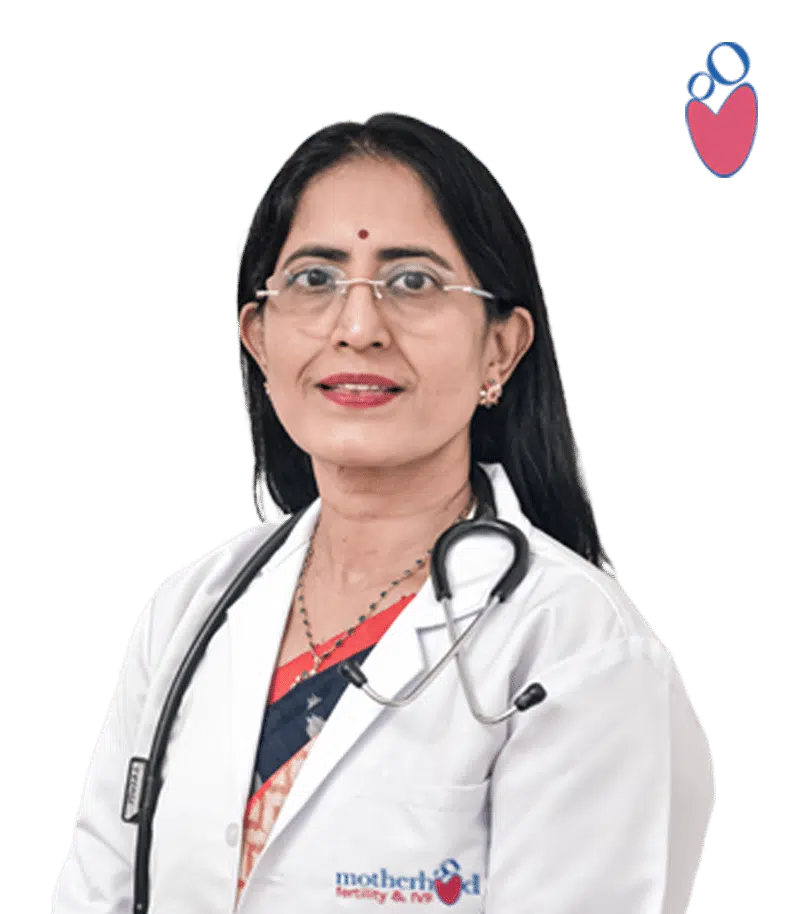
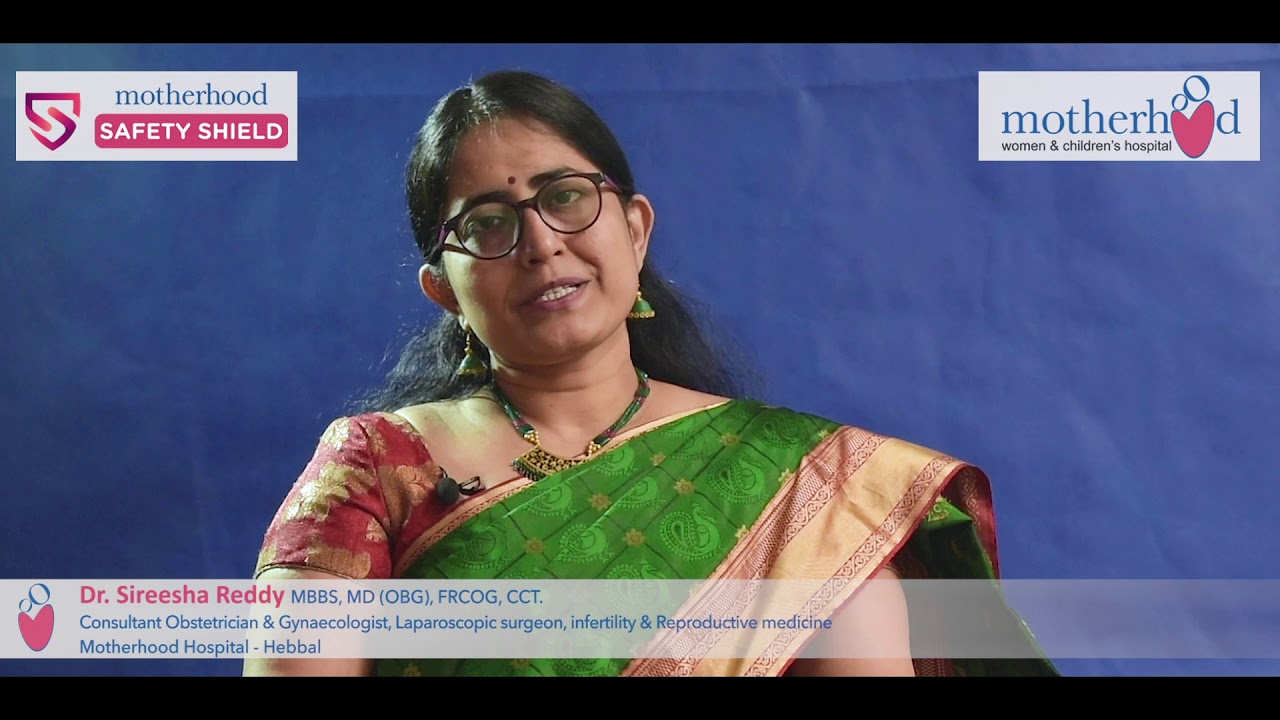
Dr. Sireesha Reddy

MBBS, MD (OBST & GYNAE), MRCOG, CCT (UK)

Consultant - Obstetrics & Gynaecology

DEPARTMENTPregnancy Care/ Obstetrics, General Gynaecology, Gynecological & Laproscopic Surgery, Fertility/ IVF

EXPERIENCE
24+ Years

UNITBangalore, Hebbal

LANGUAGEEnglish, Kannada, Hindi, Telugu

Working TimeMonday to Saturday: 10:00 am to 7:20 pm

Overview

Dr Sireesha Reddy is one of the top and best Obstetricians and Gynaecologists in Motherhood Hospitals, Hebbal, Shakarnagar, Bangalore. Dr. Sireesha Reddy has over 24+ years of experience, she worked as a consultant in the United Kingdom and has returned to India to render quality and evidence-based care to every patient. Dr Sireesha Reddy is an expert in normal delivery and water birth delivery and encourages the natural birthing process over C-section (Caesarean) and has proven excellent results to all her patients. Dr Sireesha Reddy is an expert in complex Laparoscopic Surgeries such as Sacrocolpopexy, Recanalisation, Myomectomy, and Hysterectomy, Infertility and reproductive medicine, Recurrent Miscarriage Management and management of High-risk Pregnancy.
Services Offered by Dr. Sireesha Reddy:
  • All Gynaec-related Problems
  • Amniocentesis
  • High-Risk Pregnancy Care
  • Low-Risk Pregnancy
  • D&C (Dilation and Curettage)
  • Normal Vaginal Delivery (NVD)
  • Water Birth Delivery (WBD)
  • Painless Normal Delivery
  • Instrumental Delivery
  • ART Consultant
  • Caesarean Section (C-Section)
  • Lower Segment Caesarean Section (LSCS)
  • Cervical Cerclage
  • Complicated Caesarean Section (Placenta Previa, Fibroid Uterus, Breech, Placenta Accreta, Twins Etc.)
  • Intra-Uterine Insemination (IUI)
  • Mirena (Hormonal Iud)
  • AID
  • Gynaec Surgery
  • Abdominal & Vaginal Hysterectomy
  • Ectopic Pregnancy
  • Ovarian Cyst Surgery
  • Prenatal Checkup
  • Premarital Counselling
  • Female Infertility Treatment
  • PCOD/PCOS Treatment
  • Hymenoplasty
  • Adolescent Gynaecological Problems
  • Fertility Conserving Procedures
  • Gynaec Laparoscopy
  • Complicated Pregnancy Treatment
  • Women's Health Check-ups
  • Male Sexual Problems
  • Embryo Donor Program
  • In-Vitro Fertilization (IVF)
  • Infertility Evaluation/Treatment
  • Male Infertility Treatment
  • Hysterectomy (Abdominal/Vaginal)
  • Ovary Removal Surgery
  • Ovarian Cyst Removal
  • Pre and Post Delivery Care
  • Natural Cycle IVF
  • Tubectomy/Tubal Ligation
  • Hysteroscopy
  • Abdominal Hysterectomy
  • Laparoscopy Hysterectomy
  • Hysteroscopic Myomectomy
  • Vaginal Hysterectomy
  • Artificial Insemination
  • Vaginal Prolapse
  • Vaginal Birth After Cesarean (VBAC)
  • Unilateral Salpingo-Oophorectomy
  • Abdominal Myomectomy
  • Chromosomal Abnormality Screening
  • Pregnancy Hypertension: (Preeclampsia/Eclampsia)
  • Endoscopy
  • Family planning and full contraceptive services
  • Amenorrhoea Treatment
  • Laparoscopic Sterilization
  • Laparoscopic Myomectomy
  • Maternal Care/ Checkup
Certifications:
  1. Post- Graduation from All India Institute of Medical Sciences (AIIMS)
  2. M.Sc. in Laparoscopy University of Surrey
  3. Advanced training in Laparoscopic Surgery from Royal Blackburn Hospital, England
  4. Trained and certified Colposcopist
  5. Training in Infertility From Liverpool
  6. Training at Royal Oldham Hospital and University Hospital of South Manchester

FAQs

A Pap smear test is an excellent and time-tested screening test for cervical cancer prevention. This test needs to be performed every 3 years once you are sexually active till the age of 64.

A pregnancy is considered high-risk when certain medical conditions, either existing before conception or developing during pregnancy, can affect the health of the mother, the baby or both.

Sometimes new conditions may arise during your pregnancy that require closer monitoring and specialised care to ensure your and your baby’s safety.

That’s why pre-pregnancy consultations with your doctor and regular antenatal visits are essential. They help identify and manage potential risks early, ensuring a healthier pregnancy journey.

PCOS generally cannot be completely cured. However, maintaining a healthy lifestyle which includes both dietary modifications and exercises may help you control it and avoid the long-term health risks.

Water birth is a birthing method where the mother labours and sometimes gives birth in warm, clean water. The warm water helps soothe and relax the mother, easing labour pain and providing greater comfort.

It can make the birthing process smoother and less interventional and allow for a more natural experience.

For the newborn, it provides a gentler transition from the womb to the outside world, as the water environment mimics the amniotic fluid they’ve been accustomed to.

Losing weight when you have PCOS can be challenging, but it’s absolutely doable with the right habits. The key is to start small and stay consistent.

Begin by focusing on balanced meals. Include plenty of fruits, vegetables, lean proteins and whole grains, and try to cut down on processed foods and sugary snacks. Choosing low-glycaemic index foods like oats, lentils, and beans can help keep your blood sugar steady.

Make sure you stay active. Even a 30-minute brisk walk or light workout most days can go a long way.

Also, pay attention to your sleep and stress levels. Getting 7 to 8 hours of quality sleep and finding ways to relax can really help with hormone balance. Consider yoga, meditation or just doing something you enjoy.

And remember, progress may take time. Every healthy change you make brings you one step closer to feeling better.

You’re considered to be of advanced maternal age if you’re 35 years or older at the time of delivery.

Coconut water is a great way to stay hydrated and refreshed during pregnancy. It’s rich in natural electrolytes like potassium and magnesium, which can help maintain fluid balance and prevent dehydration.

It can also ease acidity and nausea while giving you a light, healthy alternative to sugary drinks. Just remember to enjoy it in moderation, alongside plenty of water and a balanced diet.

Mild premenstrual syndrome (PMS) symptoms can often be managed with lifestyle changes like eating healthy, staying active and getting enough rest.

If your symptoms are more severe, your doctor may recommend hormonal treatments, pain relievers, or medicines to help balance mood and ease discomfort.

You should see a doctor if PMS starts to interfere with your daily life or if you notice extreme mood changes, fatigue or pain that doesn’t improve with home care. In some cases, it could be a sign of a more serious condition like premenstrual dysphoric disorder (PMDD).