








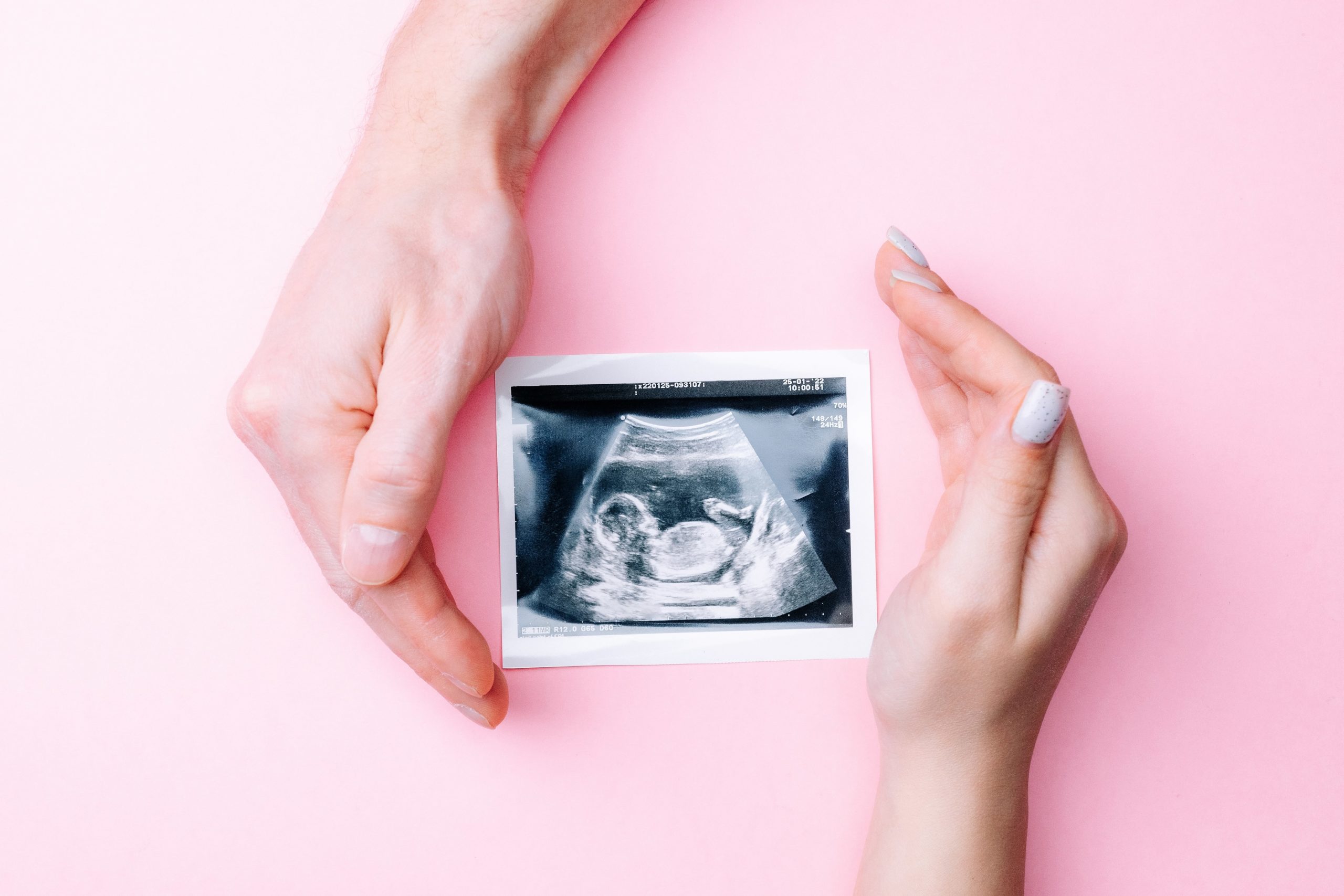
Pregnancy, a nine-month period of caretaking, is a time of happiness and joy for every mother. It also brings along a new set of anxieties. While most pregnancies are uneventful and without any sudden surprises, some pregnancies may be categorised as "high-risk".
What is a "high-risk" pregnancy?
A "high-risk" pregnancy is one in which the mother, fetus, or both are at increased risk, before, during or after the delivery.
What causes these risks?
Terming a pregnancy as "high-risk" may lead to unnecessary anxiety when the outcome is eventually uneventful. In some cases, the pregnancy can continue smoothly, despite the presence of a significant past medical history. If a risk factor is identified, the mother is informed of the complications associated in a sensitive manner.
Some of the factors that can put women at risk are:
Maternal age:
The age of the expectant mother is an important risk factor. Women under 17 or over 35 years of age are at a higher risk.
Bad Obstetric History
- A history of three or more miscarriages/complications in earlier pregnancies
- History of genetic abnormalities in prior pregnancy
- Rh (rhesus) sensitisation in the previous pregnancy (a dangerous condition which puts the mother at risk, if her blood group is Rh-and the baby's blood group is Rh+)
III. Medical Conditions
- Tuberculosis (TB), infections like human immunodeficiency virus (HIV)
- Non-communicable diseases like diabetes, high blood pressure, epilepsy, thyroid dysfunction, etc.
Risks that may occur during pregnancy:
Even if a person is healthy at the start of the pregnancy, development of the following conditions can put her in the high-risk category:
- Communicable diseases like chicken pox, rubella, syphilis, toxoplasmosis, etc.
- Non-communicable diseases like high blood pressure, preeclampsia (caused due to high blood pressure eventually damaging other organs like the kidneys), gestational diabetes (pregnant women who have never had diabetes before but who have high blood sugar levels during pregnancy are said to have gestational diabetes), multiple pregnancy (conception of twins, triplets or quadruplets), antepartum haemorrhage (vaginal bleeding), etc.
- Complications with the developing fetus like heart disease, skeletal malformations, neural tube defects, etc.
Risks that may develop during labour and delivery:
- Placental abnormalities, such as placenta accreta (placenta that enters the uterine muscle thus making separation of placenta from uterus)), may be discovered rarely during pregnancy or after delivery.
What are the signs of a high-risk pregnancy?
It is important to learn about issues that you might encounter during the course of your pregnancy. It would be helpful to learn about a few symptoms that could cause concern, like:
- Frequent contractions of uterus in preterm period
- Vaginal bleeding
- Persistent headaches
- Edema of lower limbs
What should I do if I my pregnancy is categorised as high-risk?
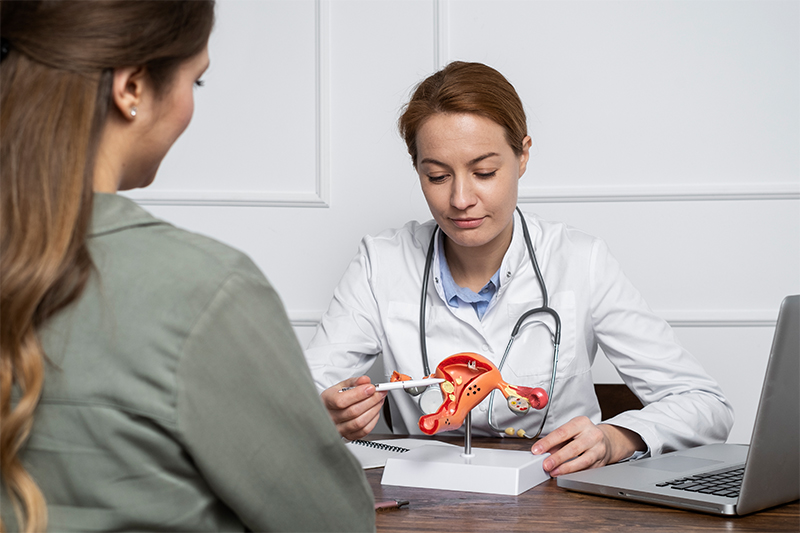
Mothers with chances of a high-risk pregnancy will have regular antenatal check-up and may require to visit the doctor more frequently for routine prenatal screening tests and special tests are done to ensure that the baby is developing well and to keep the mother out of risk.
A specialised multidisciplinary team may be involved to tackle associated complications in mother, if any to help women at "high-risk" to have a safe and healthy pregnancy, and aid in completion of the term of pregnancy.
Who will I be referred to?
Your regular obstetrician will guide you throughout your pregnancy and cross reference as per risk condition will be given to physician or nephrologist or neurologist or any other speciality of medicine.
How can I have a healthy pregnancy?
In order to have a healthy pregnancy, the following are advised:
Consult with the doctor before conception:
The mother-to-be's medical condition will be assessed and she will be advised accordingly. In addition to prescribing supplements for a healthy pregnancy, if required, the existing treatment can be revised/adjusted in preparation for pregnancy.
- Regular check-ups:
Regular visits to the doctor will help in constant monitoring of the mother's and the baby's health. Based on these periodic assessments, the medications can be altered and the expectant mother can be referred to a specialist, if required.
Healthy lifestyle habits:
In addition to a healthy diet and appropriate supplements, it is also important to ensure that the mother-to-be gains weight the healthy way. Exercising regularly, avoiding alcohol, tobacco, and the intake of other harmful agents will help in reducing unforeseen risks.
How will I be cared for after the delivery?
Mothers are closely monitored for development of any complications and the newborn is under the care of a neonatologist and need be monitored in a NICU.
by
Dr. Beena Jeysingh






No comment yet, add your voice below!