





Signs and Symptoms of a Healthy Uterine Pregnancy
Finding out you’re pregnant is exciting, but it’s natural to feel a little anxious too. You might be asking yourself, Is everything going okay in there? This guide will walk you through the signs of a healthy pregnancy, from early symptoms and signs of conception to what to expect in each trimester, and help you understand when something might need medical attention.
What Is a Healthy Uterine Pregnancy?
A healthy uterine pregnancy simply means a pregnancy that has implanted and is growing in the uterus (womb) as intended. In a normal pregnancy, once an egg is fertilised, it travels to the uterus and attaches to the uterine lining. This is where the embryo will grow into a baby. By contrast, if the fertilised egg implants outside the uterus (for example, in a fallopian tube), it’s called an ectopic pregnancy, which is not viable and can be dangerous. So, confirming that your pregnancy is in the uterus is an important first step.
How do you confirm a uterine pregnancy?
Usually, the journey starts with a missed period and taking a urine pregnancy test at home. These home tests check for the hormone hCG in your urine. If it’s positive, that’s a strong indication of pregnancy.
Your healthcare provider can then confirm with an exam or an early ultrasound. Doctors may also do a blood test for pregnancy to measure hCG levels, which can detect pregnancy even earlier or in more detail.
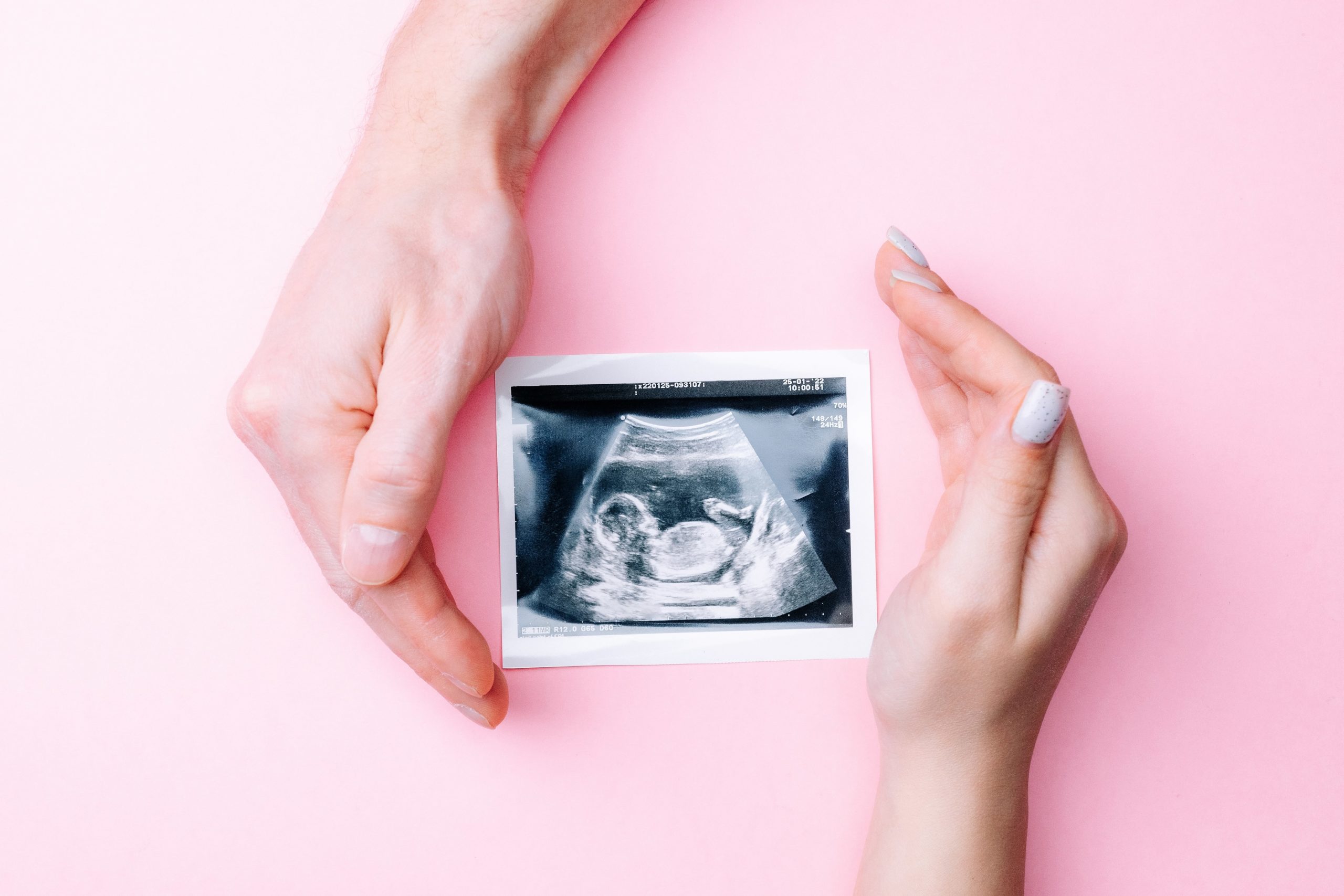
Around 6–8 weeks into pregnancy (counting from the last menstrual period), an ultrasound can typically visualise the gestational sac in the uterus and even a tiny heartbeat if all is well.
Seeing that a heartbeat early in the first trimester is a reassuring sign. Once a healthy heartbeat is detected, the risk of miscarriage drops significantly. At this stage, your doctor will confirm that the pregnancy is intrauterine (located in the uterus) and discuss pregnancy care, including scheduling regular prenatal visits.
In short, a healthy uterine pregnancy means the baby is developing in the right place and growing normally.
Early Signs and Pregnancy Symptoms
While every woman experiences pregnancy differently, some symptoms are very common in the early stages. These may include:
- Missed period
- Breast tenderness or swelling
- Mild cramping or spotting
- Fatigue
- Morning sickness (nausea, with or without vomiting)
- Frequent urination
- Mood swings or irritability
Some of these symptoms can begin as early as one week after conception. Spotting, also known as bleeding during early pregnancy can be perfectly normal and is usually due to implantation. It typically occurs around 6 to 12 days after conception and is much lighter than a period.
Mild cramping may also occur as the uterus begins to expand. However, severe or prolonged cramping should always be evaluated by your doctor.
Signs of a Healthy Pregnancy by Trimester
As your pregnancy progresses, each trimester (three-month stage) brings new milestones, symptoms, and signals that things are on track. Here’s a trimester-by-trimester look at signs of a healthy pregnancy and what you can expect:
First Trimester: What to Expect
The first trimester (Weeks 1–12) is a critical time for development. Your baby’s major organs begin to form, and hormone levels change rapidly.
Key signs of a healthy pregnancy in the first trimester include:
- Rising hCG levels detected through a blood test pregnancy
- Strong pregnancy symptoms such as nausea or fatigue
- Confirmation via ultrasound that the embryo is in the uterus
- Heartbeat detection around 6–8 weeks
What’s normal: Morning sickness, bloating, fatigue, mild spotting, and emotional ups and downs.
What’s not: Heavy bleeding during pregnancy, severe abdominal pain, or dizziness may signal problems like miscarriage or ectopic pregnancy and require immediate attention.
Second Trimester: The Easier Phase
Between weeks 13 to 26, many women experience relief from early symptoms. You may notice more energy, better sleep, and a growing bump.
Healthy signs include:
- Steady fetal growth
- Anatomy scan around 18–22 weeks showing normal organ development
- Feeling the baby’s first movements (quickening)
- Reduced nausea
- Balanced diet that supports growth
The second trimester is also a time to start focusing more on lifestyle. What you eat, how active you are, and how well you rest all start impacting not just your body, but your baby’s development too.
Third Trimester: The Final Stretch
From weeks 27 to 40 (and possibly a bit beyond), your body is in full preparation mode for birth. This is when things get real, emotionally and physically!
Signs of a healthy pregnancy in the third trimester include:
- Daily fetal movements
- A growing belly that matches gestational age
- No unusual swelling or sudden weight gain
- Normal blood pressure and urine tests
- No signs of bleeding during pregnancy or fluid leakage
You may also begin to experience Braxton Hicks contractions, which are normal “practice” contractions that prepare your uterus for labour.
When to Seek Medical Help During Pregnancy
While many pregnancies progress smoothly, it’s vital to recognise symptoms that may signal a problem. If something feels off, trust your instincts and contact your healthcare provider. Seek immediate medical help if you experience:
- Heavy bleeding during pregnancy
- Severe or persistent abdominal pain
- Fever over 100.4°F (38°C)
- Severe headaches or vision changes
- Significant swelling in the face/hands
- Sudden decrease in fetal movement
- Leaking fluid before 37 weeks
- Signs of labour before 37 weeks (preterm labour)
Any severe, sudden, or unusual symptoms during pregnancy should never be ignored. Call your doctor, it’s always better to be safe than sorry.
Healthy Foods for Pregnancy
Your nutrition during pregnancy directly affects your baby’s growth and your comfort.A healthy pregnancy diet should include:
- Whole grains (brown rice, oats)
- Leafy greens and vegetables
- Lean proteins (chicken, eggs, legumes)
- Calcium-rich foods (milk, yoghurt, paneer)
- Iron-rich foods (spinach, red meat, lentils)
Also, include foods rich in folic acid, essential in the first trimester for neural development.
Avoid: Excessive caffeine, unpasteurised cheeses, undercooked meats, and high-mercury fish.
This isn’t the time to “eat for two,” but rather to eat smart. Focus on nutrient density, not just calories.
Pregnancy Care Tips
To support a healthy pregnancy, follow these key pregnancy care practices:
- Attend all prenatal appointments: Your doctor monitors vital signs and the baby’s growth.
- Take prenatal vitamins: Especially those with folic acid, iron, calcium, and DHA.
- Exercise regularly: Walking, prenatal yoga, and swimming are safe for most women.
- Stay hydrated: Aim for 8–10 glasses of water daily.
- Rest when needed: Fatigue is real; don’t fight it.
- Track your symptoms: Log any changes or discomforts.
Final Thoughts
Pregnancy is a remarkable experience but it comes with its share of worries. The key is knowing what to expect and what signs tell you things are going well.
From that first positive urine pregnancy test to feeling the baby’s kicks in the third trimester, your body is constantly sending signals. Most of these symptoms are a good sign that everything is progressing normally.
But don’t hesitate to reach out if something feels unusual.. With expert pregnancy care and attention to a nourishing diet during pregnancy, you can give your baby the best start in life.
Frequently asked questions (FAQs)
-
How early can I detect a healthy pregnancy?
You can detect pregnancy with a urine test after a missed period. An ultrasound around 6–8 weeks confirms it’s healthy and in the uterus.
Is spotting during early pregnancy normal?
Yes, light spotting can be normal and may be due to implantation. Heavy bleeding or pain should be checked by your doctor.
What are the signs of a healthy first trimester?
Common signs include a positive test, morning sickness, rising hCG levels, and a visible heartbeat on ultrasound.
How do I support a healthy pregnancy?
Eat nutritious foods, take prenatal vitamins, stay active, and attend regular check-ups for the best care.