





Common Childhood Allergies and How to Handle Them 

Common Childhood Allergies_

AuthorDr. Devesh Aggarwal

MBBS, DCH

Consultant-Paediatric

Common Childhood Allergies and How to Handle Them

Introduction

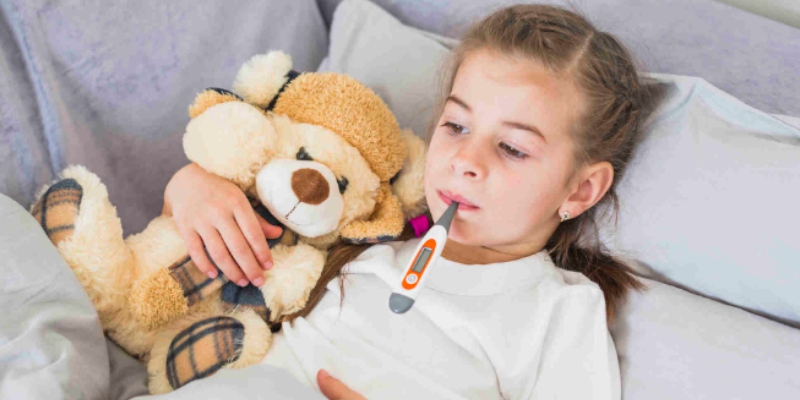
Children have weak immune systems compared to adults and thus are more prone to allergies. According to Dr. Devesh Aggarwal, MBBS, DCH, Consultant-Paediatrics, MBBS, DCH, Consultant-Paediatrics, any child can develop allergies but kids with a family history of allergies are at greater risk. Of course, as a parent, you cannot control everything your child is exposed to. You can, however, focus on monitoring their symptoms. The top paediatrician in Gurgaon recommends monitoring symptoms for early identification of allergies. This will improve the child’s quality of life and help you understand the health of your child. 

What Causes Allergies in Children? 

Certain allergic triggers can lead to allergies in children. The common triggers or allergens are: 

1. Tree, grass, and weed pollen. 

2. Certain food items. 

3. Dust mites. 

4. Molds. 

5. Animal dander, urine, or oil from the skin. 

6. Certain medicines. 

7. Feathers. 

8. Bee stings. 

9. Pests include cockroaches and mice. 

What are the Common Allergy Symptoms in Children? 

An allergic reaction can occur anywhere in the body including skin, eyes, lining of the stomach, sinuses, throat, and lungs. These are the places where immune system cells are present to fight off germs that are breathed in, swallowed, or met on the skin. Hence, the top paediatrician in Gurgaon recommends to watch out for the following symptoms: 

1. Red, itchy, and watery eyes. 

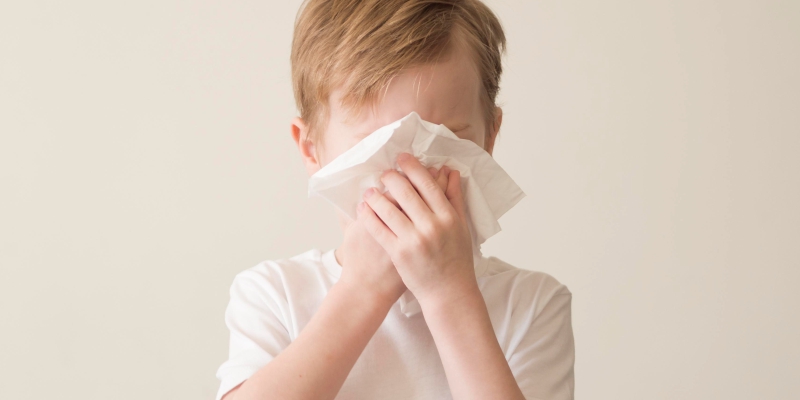
2. Stuffy nose, sneezing, itching, or running nose. 

3. Itching in ears in the mouth. 

4. Red, itchy, and dry skin. 

5. Itchy welts or hives. 

6. Itchy rash. 

7. Asthma symptoms include shortness of breath, wheezing, and coughing. 

8. Severe, life-threatening allergic reactions or anaphylaxis such as troubled breathing, diarrhoea, vomiting, low blood pressure, and fainting. 

How are Allergies Treated in Children? 

The allergic symptoms in children may mimic symptoms of other medical conditions. Hence, you must get your child’s allergy tested by the top paediatrician in Gurgaon. The most effective way to handle allergies in children is avoidance. Avoidance refers to staying away from anything that can cause an allergic reaction. Here are a few suggestions you can focus on: 

1. Control dust in the home especially in your child’s bedroom. 

2. Stay indoors when the pollen count is high and on windy days. 

3. Use air conditioning instead of opening the windows. 

4. Use a dehumidifier in damp areas of the home and clean it often. 

5. If your child is playing outside in high pollen count, make sure to bath them, wash their hair, and change clothes. 

6. Avoid having pets or indoor plants. 

7. Keep the house clean and dry. 

8. Prevent anyone from smoking anywhere near your child, especially in your home and car. 

9. Avoid those things that you know cause allergic reactions in your child. 

10. Check with the best paediatrician near me in Gurgaon, Dr Devesh Aggarwal for effective, and safe allergic relief for your child. 

Apart from avoidance, allergy shots (immunotherapy), and medicines can help in managing common allergies in your child. Make sure that you visit the top paediatrician in Gurgaon for any allergic symptoms in your child. The doctor will conduct an allergy test and provide appropriate prevention and treatment. If you are wondering which doctor to visit, you can consult Dr. Devesh Aggarwal at the Motherhood Hospitals. 
Feeding Challenges and Solutions for Premature Babies

Feeding Challenges and Solutions for Premature Babiess

Author: Dr. Sanjay Wazir

MBBS, MD – Pediatrics, DM – Neonatology

Consultant: Medical Director (NCR)- Neonatology at Motherhood Hospital Gurgaon

Feeding Challenges and Solutions for Premature Babies

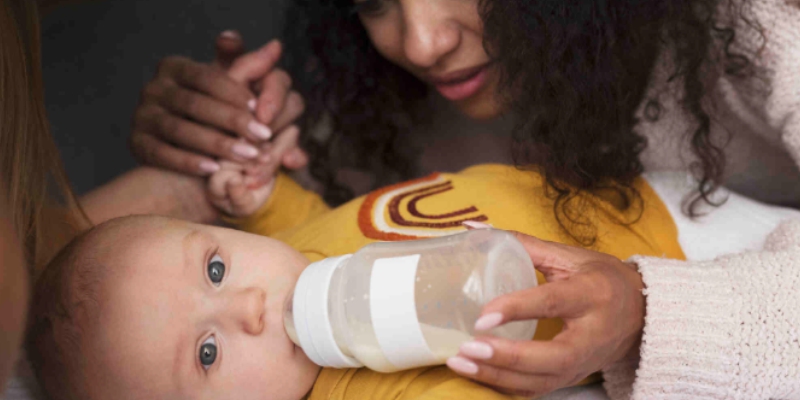
Premature babies (born before 37 weeks of pregnancy) have special feeding and nutritional needs. Dr Sanjay Wazir, MBBS, MD-Paediatrics, DM-Neonatology, Medical Director (NCR)-Neonatology, tells us that preemies often need extra support to grow and continue developing. Some preemies may not have the strength or coordination to breastfeed or bottle-feed. They can, however, overcome this challenge with a little help and patience. As a parent, you need to understand your baby, learn some techniques, and know when to consult the top paediatrician in Gurgaon for expert help. 

Feeding Challenges and Solutions for Premature Babies

In the early stages, your preemie may find it challenging to eat. This is because of their underdeveloped muscles, nervous system, and other body parts. Hence, they may find it difficult to gulp and digest enough milk. Dr. Sanjay Wazir tells us that around 49% of preemies have feeding problems due to the following issues:

1.Lack of Sucking Skills

Unlike normal babies, preemies are not born with mature sucking skills. To drink milk from a bottle or breast, the babies need to suck that is coordinated and does not interfere with their breathing patterns. Babies who are unable to coordinate may choke or stop breathing entirely.

2.Lack of Strength

Babies need to have developed muscles in their tongues and jaws to suck and swallow milk easily. Eventually, the preemies develop this strength with practice. Until then, you may notice your baby getting exhausted during a feeding session. When you observe such, it is time for you to visit the top paediatrician in Gurgaon for consultation.

3.Underdeveloped Digestive System

Preemies are born with underdeveloped gastrointestinal tracts. This means that even if your baby takes the milk in, he might not be able to get the nutrients from it. The stomachs of preemies are not proficient in breaking down milk proteins.

4.Medical Conditions

Preemies are prone to developing medical conditions such as low body fat, breathing problems, jaundice, and so forth.

How to Feed Your Premature Baby?

According to the top paediatrician in Gurgaon, the feeding method of your baby in the NICU may depend on their gestational age and medical conditions. The doctors may combine one method with the other for better results.

1.Breastfeeding

Although difficult sometimes preemies do get a hang of nursing in the NICU.

2.Bottle-feeding

To bottle-feed, you can either pump your breast milk or use a formula in the bottle. Sometimes the top paediatrician in Gurgaon may recommend feeding your baby with breast milk or formula from a bottle to check the amount of milk your baby is having.

3.Feeding Tube

A feeding tube is used when your baby is unable to get milk from breast or bottle feeding. In such cases, they may need a gastronomic tube that feeds directly into their stomach. Babies on feeding tubes are also given a pacifier to strengthen their mouth muscles and practice their sucking skills.

4.Intravenous Line

This is considered the last resort and is usually restricted to babies with serious medical conditions. In this method, an intravenous line directly feeds and supplies the nutrients into the baby’s bloodstream.

Preemies require extra care as compared to normal babies. The top paediatrician in Gurgaon recommends skin-to-skin contact with your preemie as it is also seen as beneficial for both the mother and the baby. If, however, you feel that your preemie is not getting expert care and attention, you can reach out to Dr. Sanjay Wazir at the Motherhood Hospitals for expert guidance and support.

Common Childhood Illnesses 

Common childhoos illness

Author –  Dr. Sanjay Wazir

MD- Paediatrics, DM-Neonatology,

Medical Director (NCR)- Neonatology

Common Childhood Illnesses: A Paediatrician’s advice 

Children are more prone to sickness due to their underdeveloped immune system. At most, a child may have at least 6 to 8 colds a year. Hence, you need to understand which illness can affect your child. Dr. Sanjay Wazir, MBBS, MD- Paediatrics, DM-Neonatology, Medical Director (NCR)- Neonatology, emphasizes the role of parents in managing childhood illnesses. The best paediatrician in Gurgaon suggests parents be aware and know the symptoms of common childhood illnesses, and how to manage them at the initial level. Of course, the parents should always seek the advice of a paediatrician in Gurgaon for managing illness. They, however, should be able to handle it initially.

Common Childhood Illnesses 

1. Respiratory Tract Infections

Common colds, swollen tonsils, and sore throats are some of the common respiratory tract infections affecting children. These are caused by viruses and bacteria attacking the upper respiratory tract. The common symptoms may include congestion in the chest, swollen glands, runny nose, and coughing. All of these symptoms usually last from 7 to 10 days. In such cases, you can help your child by giving them warm liquids to drink. Additionally, gargling with lukewarm salt water at regular intervals also helps in curing the throat. If you observe that the symptoms persist even after 10 days, consult the best paediatrician in Gurgaon and abstain from self-medication.

2. Ear Pain 

A pain in the ear is a telling sign of inflammation or infection in the ear. Infections in the ear are usually located in the inner ear canal or middle canal. At times, the ear pain may also radiate to the lower jaw due to pressure buildup in the sinuses.

Usually, ear infections affect children between the ages of 6 to 18 months due to poor immunity, allergies, and passive smoke. If your child complains of ear pain, consult a paediatrician in Gurgaon immediately as prolonged ear pain can lead to loss of hearing.

3. Fainting 

Children can sometimes faint at school or home due to decreased blood flow to their brains. The fainting is usually transient and most of the children regain consciousness within a few minutes. Your child may faint due to extreme exhaustion, heat, or emotional stress. It can also be a sign of low blood sugar levels, low red blood cell count, or irregular heartbeats. If your child goes through fainting spells frequently at school or home, get a doctor’s examination done to check for epilepsy or seizures.

4. Skin Infections 

An itchy, dry skin and red spots on your child’s body can be a sign of Eczema or atopic dermatitis. Children usually develop eczema due to excessive scratching when irritated. In such cases, refrain from woollen clothes and harsh soaps as these strip away the natural oils from the skin.

Furthermore, toddlers may also face fungal infections including a diaper rash due to wet diapers. Such infections require expert and careful management as directed by your paediatrician in Gurgaon.

5. Abdominal Pain, Diarrhoea, and Vomiting 

Abdominal or stomach pain is also a common illness in children. Your child may also have diarrhoea if he goes frequently to the loo. On the contrary, constipation with no loo visits. Prevent such from happening by ensuring a healthy diet and physical hygiene. You can also deworm your child to prevent parasitic infections.

Taking care of your child’s health in the initial stages of their development is crucial for other overall health. Giving them a nutritious meal, taking precautions, and practising hygiene are important. If you notice, however, that your child is getting sick frequently, visit Dr. Sanjay Wazir at the Motherhood Hospitals.

What is Paediatric Pancreatitis?

Paediatric Pancreatitis

Author – Dr. Pawan Deep Singh

M.B.B.S, DCH, DNB Pediatrics, Consultant – Paediatrics & Neonatology

Paediatric Pancreatitis: What is it and How is it Treated?

Pancreatitis refers to the inflammation of the pancreas. The pancreas is a long, flat gland located behind the stomach in the upper abdomen. It produces enzymes that help in digestion and hormones that help regulate body sugar. According to  Dr. Pawan Deep Singh, M.B.B.S, DCH, DNB Pediatrics, pancreatitis is uncommon in children and may improve with treatment. If left unnoticed, however, it can cause life-threatening complications. Hence, if you notice any change in your child’s health, consult the best child specialist in Chandigarh at the earliest.

What is Pancreatitis?

The pancreas is an organ in your abdomen located between your stomach and spine. It is involved in digestion and regulating the blood sugar. Digestive enzymes including amylase and hormones including insulin are secreted by the organ.

Pancreatitis is inflammation of the pancreas. This inflammation causes swelling and pain in the abdomen.

What are the Types of Pancreatitis?

The best child specialist doctor in Chandigarh classifies pancreatitis into the following:

  1. Acute Pancreatitis

    Acute pancreatitis is a temporary inflammation of the pancreas. It usually occurs when your pancreas is trying to recover from a minor and short-term injury. Most people recover from it completely within a few days.

  2. Chronic Pancreatitis

    Chronic pancreatitis is a long-term condition. It usually occurs when there is injury or damage to the pancreas. It does not go away on its own and gets worse with time. A constant inflammation, however, causes scarring of the organ which stops them from making enzymes and hormones.

What are the Symptoms of Pancreatitis?

The primary symptom of pancreatitis is severe abdominal pain. The other symptoms of acute pancreatitis include:

  1. Nausea and vomiting.
  2. Rapid and shallow breathing.
  3. Fever.
  4. Rapid heart rate.

The best child specialist in Chandigarh states the following symptoms for chronic pancreatitis:

  1. Indigestion and pain after eating.
  2. Loss of appetite and unintended weight loss.
  3. Lightheadedness or low blood pressure.

The pain arising from pancreatitis is so severe that children often get uncomfortable and start crying. If your child is complaining of abdominal pain and their abdomen is tender to touch, it may be due to pancreatitis. Additionally, if your child complains of severe abdominal pain after a meal, it may also be due to pancreatitis.

What Causes Pancreatitis?

In children, pancreatitis is caused due to gallstones. Usually, the bile duct empties bile from the gallbladder into the intestine through the same opening as your pancreatic duct. If, however, a gallstone enters the bile duct and gets stuck, it can block the drainage of pancreatic juice. The buildup of excess juice in the pancreas causes inflammation and pancreatitis.

The other causes include:

  1. Viral infection.
  2. Autoimmune disease.
  3. A family history of pancreatitis.
  4. Cancer.
  5. Reduced blood supply to the pancreas.
  6. Injury to the pancreas.
  7. Certain medications affect the pancreas.

How is Pancreatitis Treated?

The treatment for pancreatitis depends on its type whether acute or chronic. Acute pancreatitis is treated with supportive care including pain relievers, tube feeding, IV fluids, and ample rest. Chronic pancreatitis may need surgery to remove gallstones and lifestyle changes.

Pancreatitis is a progressive disease and the symptoms continue to worsen with time. It is, therefore, important for you to keep a watch on your child’s health and pay attention to their sudden change in habits. If you notice your child complaining about pain in the abdomen, consult Dr. Pawan Deep Singh at the Motherhood Hospitals.

Cleft Lip and Cleft Palate: Causes and Treatment

Cleft Lip and Cleft Palate

Author – Dr Pawan Deep Singh

M.B.B.S, DCH, DNB Pediatrics,

Consultant – Paediatrics & Neonatology.


Cleft Lip and Cleft Palate: Causes, Diagnosis and Treatment

Cleft lip and cleft palate refer to openings or splits in the upper lip, roof of the mouth (palate), or both. These usually occur when the facial features that are developing in an unborn baby do not close completely. According to  Dr Pawan Deep Singh M.B.B.S, DCH, DNB Pediatrics, Consultant – Paediatrics & Neonatology.  cleft lip and cleft palate are common birth defects. The best paediatrician & neonatologist in Chandigarh tells us that this birth defect is related to genetic conditions or syndromes.

What are Cleft Lip and Cleft Palate?

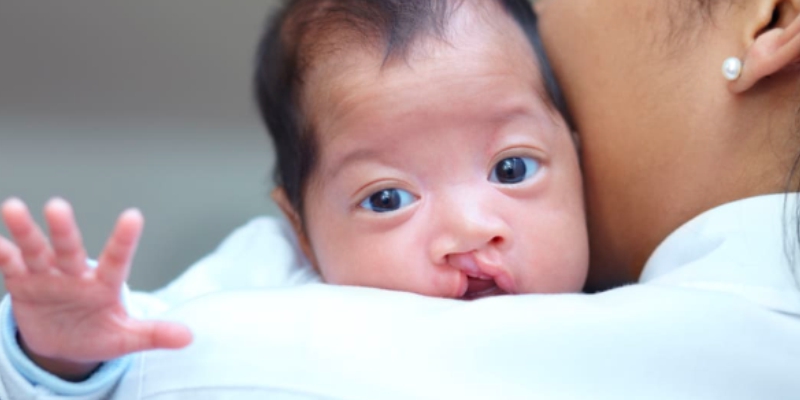
A cleft lip and cleft palate are openings in a baby’s upper lip or roof of the mouth (palate). These are congenital abnormalities that develop when a foetus develops in the uterus. The condition occurs when the tissues of the upper lip and roof of the mouth are unable to join during foetal development.

What is a Cleft Lip?

According to the best doctor for newborn surgery in sector 44, our lips develop between four to seven weeks of pregnancy. Tissues from each side of our head join at the centre of the face to create lips and mouth. A cleft lip occurs when the tissues do not join completely.

What is Cleft Palate?

The roof of the mouth is developed between 6 to 9 weeks of pregnancy. A cleft palate is an opening in the roof of your mouth during foetal development.

How Does Cleft Lip and Cleft Palate Affect Your Baby?

Babies born with cleft lip and cleft palate may have difficulties eating, trouble speaking, and may have fluid behind their eardrums. Hence, the babies require immediate treatment from the best doctor for newborn surgery in sector 44.

What are the Causes of Cleft Lip and Cleft Palate?

Cleft lip and cleft palate are caused by:

  1. Vitamin deficiency especially a lack of folic acid.
  2. Obesity.
  3. Smoking or tobacco during pregnancy.
  4. Birth disorders.
  5. Substance abuse.

How are Cleft Lip and Cleft Palate Diagnosed?

Cleft lip and cleft palate are diagnosed during prenatal ultrasound. It is, however, difficult to detect it before birth. Usually, doctors may detect your cleft lip in your 20-week ultrasound. In some cases, the doctor may recommend amniocentesis to check for other genetic conditions. It may also help diagnose other congenital disorders.

How are Cleft Lip and Cleft Palate Treated?

The best doctor for newborn surgery in sector 44 treats cleft lip and cleft palate depending on the extent of the cleft, the child’s age, and other health conditions. Generally, it is treated with surgery.

A cleft lip repair may require one or two surgeries. The first surgery usually occurs when the baby is 3 to 6 months old. The second surgery (if required) is usually done when the child is 6 months old.

On the other hand, a cleft palate repair is done when the child is 12 months old. In some cases, the child may also require additional surgeries to help improve their speech.

A cleft lip and cleft palate can cause health complications in your child. To prevent this from happening, consult  Dr Pawan Deep Singh at the Motherhood Hospitals.

Brain Tumours in Children

Brain tummer in kids

Author – Dr. Pawan Deep Singh

M.B.B.S, DCH, DNB Pediatrics, Consultant – Paediatrics & Neonatology

Brain Tumours in Children

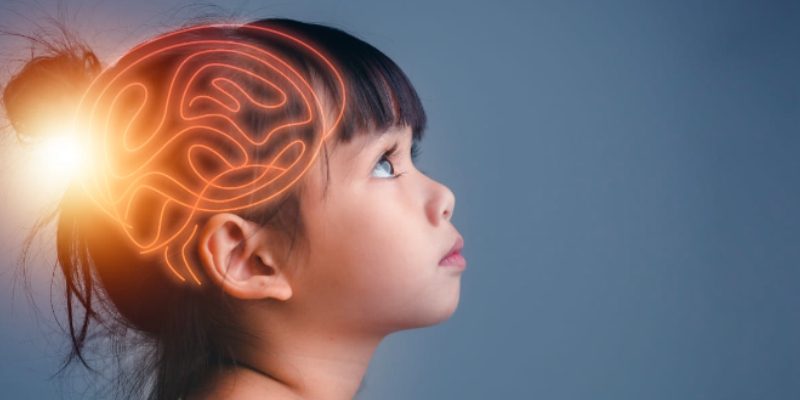
Paediatric brain tumours refer to abnormal growth or masses of abnormal cells lodged in a child’s brain or surrounding tissues. According to Dr. Pawan Deep Singh, M.B.B.S, DCH, DNB Pediatrics many different types of paediatric brain tumours exist and the treatment may depend on your child’s age and location of the tumour. The treatment for children is different from treatment for adult brain tumours. Hence, if you notice any sudden change in your child’s behaviour consult the top paediatric surgeon in Chandigarh at the earliest.

What is a Paediatric Brain Tumour?

A paediatric brain tumour refers to abnormal growth in a child’s brain. Upon genetic changes, a brain cell may undergo abnormal changes. Changes in the genetic makeup of the brain cells lead to tumour formation. Such tumours are the most common in children affecting over 5000 kids every year.

Different types of paediatric brain tumours can occur at any age from birth to adolescence. It may be malignant (cancerous) or non-malignant (benign or non-cancerous).

What are the Different Types of Brain Tumours in Children?

The top paediatric surgeon in Chandigarh enlists the following types of brain tumours in children:

  1. Gliomas

    Gliomas begin in the glial cells of the brain. These cells are responsible for nourishing and protecting your brain tissues.

  2. Embryonal tumours

    These tumours begin in the foetal or embryonic cells of your nervous system.

  3. Pineal tumours

    A pineal tumour develops in the pineal gland. The tumour may be cancerous or non-cancerous.

  4. Craniopharyngiomas

    Craniopharyngiomas are non-cancerous tumours that begin in or near the pituitary glands.

  5. Germ cell tumours

    Germ cell tumours are cancerous types that start from embryonic cells and can spread to the entire central nervous system.

What are the Causes of Brain Tumour?

A brain tumour begins when healthy cells multiply and grow abnormally. It may be due to:

  1. Change in the genetic makeup of the cell.
  2. A family history of cancer-forming genes.
  3. Radiation exposure.

What are the Symptoms of a Brain Tumour in Children?

The signs and symptoms of a brain tumour in children depend on the type of cancer, severity, location, and its growth rate. The top paediatric surgeon in Chandigarh suggests watching out for the following symptoms in children:

  1. Excessive tiredness and sleepiness.
  2. Early morning headaches that go away only when your child vomits.
  3. Increase in size of your child’s head.
  4. Nausea and vomiting.
  5. Hearing, vision, and speech issues.
  6. Balance issues.
  7. Lack of coordination.
  8. Sudden behavioural changes.
  9. Weakness in your child’s arms, legs, or on one side of their body.
  10. Sudden seizures.

How is a Paediatric Brain Tumour Diagnosed?

If you notice any of the above symptoms, the top paediatric surgeon in Chandigarh will conduct the following tests to confirm the presence of cancer:

  1. Physical examination.
  2. Neurological examination.
  3. Imaging tests including MRI, CT, and PET scan.
  4. Blood test.
  5. Biopsy.
  6. Spinal tap.

How is a Paediatric Brain Tumour Treated?

The treatment of the brain tumour may depend on the type of tumour, location, size, and growth rate of the tumour. The treatment includes:

  1. Surgery.
  2. Chemotherapy, targeted therapy, or immunotherapy.
  3. Radiation therapy.

Paediatric brain tumours can be overwhelming for parents. If you suspect any sudden change in your child’s health or notice the above symptoms, consult Dr. Pawan Deep Singh at the Motherhood Hospitals.

Emergency Management of Seizures in Children

Emergency Management of Seizures in Children

Author – Dr Monika Chhajed, MBBS
Consultant – Paediatric Neurologist at Motherhood Chaitanya Hospital, Chandigarh

Emergency Management of Seizures in Children

Epilepsy in children can be challenging to treat. As a parent, you must be worried about controlling the seizures in your children. According to Dr Monika Chhajed, MBBS, Fellowship Paediatric Neurology and Epilepsy, DCH, DNB, Consultant-Paediatric Neurologist, the annual incidence of epilepsy in children is reported as 10 to 73 episodes/100,000 children. It is the highest in children younger than 2 years of age. If your child is suffering from epilepsy, you must know the emergency management of seizures.

What is Epilepsy?

According to the best paediatrician & neonatologist in Chandigarh, epilepsy is defined as a sudden activity of the brain with loss of consciousness for longer than 30 minutes.

Emergency Management of Seizures in Children

The best neonatologist doctor in Chandigarh tells us that there is no “gold standard” for the management of epilepsy in children. The treatment is provided with a combination of therapies. Being a parent to a child suffering from epilepsy, however, you should know basic management of the condition. It includes:

1. Maintain adequate airway, breathing, and circulation (ABCs):

An inadequate airway can pose the most critical risk to your child with epilepsy. The best paediatric neurologist in Chandigarh states that hypoxia is the main culprit of complications due to epilepsy in children.

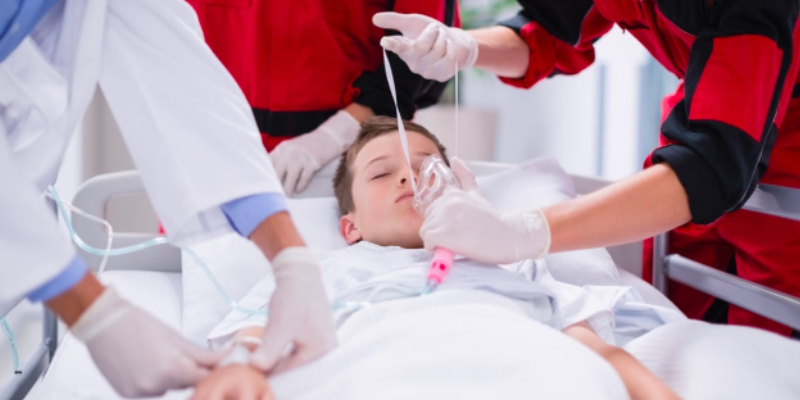
When you notice your child going through an epileptic episode, position them on their side and suction easily accessible secretions. Make sure their mouth is not pried open. After suctioning, reposition them on their back and apply a chin lift to help open the airway. You can also give them oxygen with a face mask.

You may also notice an increased heart rate and blood pressure along with seizures. This, however, is common and returns to normal when the seizures stop.

2. Terminate the seizure and prevent recurrence:

The main goal of the treatment is to stop the seizure and prevent brain injury. In such cases, medications should be administered. Do not, however, self-administer. Consult the best paediatrician & neonatologist in Chandigarh for the use of medications. Your paediatrician will only provide medication for seizures lasting longer than 5 to 10 minutes.

Make sure that you also pay attention to other symptoms. For instance, some children may also have a fever or increased blood pressure. Bring this to the attention of the best paediatric neurologist in Chandigarh.

3. Management of refractory epilepsy:

Epilepsy that is unresponsive to adequate doses of first- and second-line therapies is considered refractory. At this stage, the patient’s care is beyond emergency management, this has to be transferred to the paediatric intensive care unit.

Epilepsy is a common paediatric neurological disorder. Emergency management includes maintaining respiratory stability, immediate administration of appropriate medications at appropriate doses, specific diagnosis and management of potentially life-threatening causes of seizures. Being the parent of a child with epilepsy, you must know which category your child falls into. Make sure that you consult with Dr. Monika Chhajed from the Motherhood Hospitals for accurate management of the condition.

At Motherhood Hospitals, we have a team of experienced specialists backed by the cutting edge facilities. We have the best Paediatric Neurologist in Chandigarh.

Do take an appointment with the best Paediatric Neurologist in Chandigarh at a centre closest to you. Meet with our doctors who will carry out the required investigations, diagnose the issue and recommend the most appropriate treatment, enabling you to lead an active life.

If you wish to get in touch with Dr. Monika Chhajed, please book your appointment here

Signs of Neurological Issues in Children

Signs of Neurological Issues in Childrenn

Author – Dr Monika Chhajed, MBBS
Consultant – Paediatric Neurologist at Motherhood Chaitanya Hospital, Chandigarh

Signs of Neurological Issues in Children

Neurological issues in children can present a complex and intricate challenge for parents and caregivers. While some aspects of a child’s development may naturally vary, it’s crucial to be vigilant for any potential signs of underlying neurological problems. Identifying these signs early on can lead to timely intervention and the best possible outcomes. In this article, we will explore some key indicators that may suggest neurological issues in children.

Observing Developmental Milestones

One of the initial steps in recognizing potential neurological issues in children is closely observing their developmental milestones. These milestones encompass a range of skills that a child should acquire as they grow. If you notice delays in your child’s ability to achieve these milestones, it could be indicative of an underlying neurological concern.

Communication Challenges

Communication is a fundamental aspect of a child’s development, and difficulties in this area can be a sign of neurological issues. Paediatric neurologists emphasize that if a child struggles with speech development, has trouble understanding language, or is unable to express themselves effectively, it might be time to seek professional guidance. Consulting the expertise of a top neurologist in Sector44C can provide valuable insights and assessments.

Motor Skills Impairment

The mastery of motor skills is a critical part of childhood development. If you notice issues with your child’s coordination, balance, or motor skills such as walking, crawling, or grasping objects, it could be an indication of an underlying neurological problem. Early intervention, possibly through consultation with a best paediatric neurology hospital in Chandigarh, can play a pivotal role in addressing these concerns.

Seizures and Epilepsy

Seizures are often associated with neurological disorders, and epilepsy is a well-known condition that manifests through recurrent seizures. It’s important to note that seizures can vary widely in their presentation, from subtle staring spells to more pronounced convulsions. If your child experiences any unusual episodes or behaviors that could resemble a seizure, it’s crucial to consult with a qualified medical professional, such as a paediatric neurologist in Chandigarh.

Behavioral Changes

Neurological issues can also manifest as changes in behavior. If you notice abrupt shifts in your child’s mood, temperament, or social interactions, it might be linked to an underlying neurological concern. Children with neurological problems might exhibit irritability, difficulty focusing, or heightened sensitivity to sensory stimuli.

Cognitive Challenges

Cognition encompasses a wide range of mental processes, including memory, attention, problemsolving, and learning. Children facing neurological issues might struggle with cognitive tasks that are typical for their age group. If you observe persistent difficulties in your child’s ability to learn, retain information, or engage in age-appropriate intellectual activities, seeking the advice of a medical specialist is essential.

Headaches and Migraines

Headaches are often dismissed as a common ailment in children, but they can sometimes be a sign of underlying neurological issues. While occasional headaches might not be cause for alarm, recurrent or severe headaches could warrant further investigation. Consulting a medical professional with expertise in paediatric neurology, such as those at MotherHood Chaitanya, can help determine whether these headaches are indicative of a more significant problem.

Vision and Hearing Problems

Sometimes, when it comes to a child’s senses, like their vision and hearing, neurological issues can throw things out of whack. So, if you start noticing your little one struggling to see or hear things, it could really change how they experience the world around them. Regular check-ups and screenings can work like a safety net, catching any potential problems early on.

To put it simply, keeping an eye out for signs of neurological issues in kids is all about giving them the best shot at a healthy, happy life. As kids grow and find their own path, it’s important to pay attention to any symptoms that stick around or seem a bit concerning. And hey, don’t hesitate to get in touch with the pros, like a paediatric neurologist in Chandigarh or the fantastic folks over at the best paediatric neurology hospital in Chandigarh. Being in the know and taking action when needed means we’re making sure our kids have all the support they need to shine bright.

At Motherhood Hospitals, we have a team of experienced specialists backed by the cutting edge facilities. We have the best Paediatric Neurologist in Chandigarh.

Do take an appointment with the best Paediatric Neurologist in Chandigarh at a centre closest to you. Meet with our doctors who will carry out the required investigations, diagnose the issue and recommend the most appropriate treatment, enabling you to lead an active life.

If you wish to get in touch with Dr. Monika Chhajed, please book your appointment here

Signs of Fever in Infants and Children

Signs of Fever in Infants and Children

Author – Dr. Pawan Deep Singh, M.B.B.S,DCH,DNB Pediatrics
Consultant of Paediatrics

Signs of Fever in Infants and Children

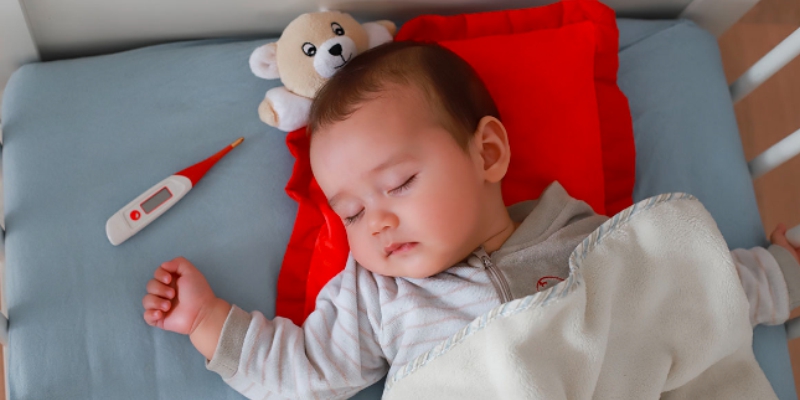
A fever is a temporary rise in body temperature. It is your body’s overall response to the infection. For adults, a fever may be uncomfortable. For infants, however, it may be a sign of serious infection. According to Dr Pawan Deep Singh, MBBS, DCH, DNB Paediatrics, the signs of fever in infants and children can be warning signs of certain diseases. Hence, the best paediatrician & neonatologist in Zirakpur recommends understanding fever in your children and knowing when to worry and visit the doctor.

What is a Fever?

The normal body temperature of a person is around 37 degrees Celsius or 98.6 degrees Fahrenheit. It can increase or decrease throughout the day. A fever, however, occurs when the temperature goes beyond 100 degrees Fahrenheit. A fever in kids is called a low-grade fever when the temperature is between 100.4- to 102.2 degrees Fahrenheit and a high-grade fever is above 102.2 degrees Fahrenheit.

Fever in infants and children is different from adults. Mostly, the fever goes on its own within two days. If, however, the fever continues, it is considered a warning sign.

What Causes Fever in Babies?

A fever is not an illness but a symptom of an infection or illness. Having a fever is a sign that your body is fighting against an infection and that your immune system is active. In cases of babies, fever is mostly because of a viral infection or cold. Some lesser reasons include ear infections, pneumonia, or other serious diseases including meningitis. Hence, fever in children should not be taken lightly and addressed at the earliest.

What are the Signs of Low-Grade Fever in Infants and Children? 

The signs of fever in infants and children can vary depending on the child. The common signs of low-grade fever are:

  1. Temperature between 100.4- 102.2 degrees Fahrenheit.
  2. Sweating.
  3. Poor sleeping.
  4. Shivering and chills.
  5. Dehydration.
  6. Weakness.
  7. Muscle aches.
  8. Headaches.
  9. No interest in playing.
  10. Less active than normal.
  11. Irritability.

It is important to note that a thermometer alone is not the best indicator of your child’s health. Hence, you must also take note of other symptoms and consult the best neonatologist doctor in Zirakpur.

What are The Signs of High Fever in Infants and Children?

A small increase in temperature can also be a cause of worry in infants and children. Hence, you should consult the best paediatric neurologist in Zirakpur at the earliest if the fever is about 100.4 degrees Fahrenheit. The symptoms to look out for are:

  1. Diarrhoea or vomiting.
  2. Lethargic or acting differently from normal.
  3. Unexplained rashes.
  4. Trouble feeding and/or breathing.
  5. Decreased urination.
  6. Breathing issues.
  7. Abdominal pain.

Signs of Fever in Infants and Children: When Not to Worry?

When you are wondering which signs of fever in infants and children and when to worry, pay attention to the above-mentioned symptoms. Make sure that you always visit a doctor when there is a fever in babies less than 3 months old. For older kids, it is important to know when to monitor and when to relax. You may not need to worry if:

  1. The fever lasts fewer than 3 to 5 days and the child is normal.
  2. The fever is due to a recent vaccination shot.

Fever in infants and children can be worrisome for parents. If you notice any warning signs in your child along with fever, consult Dr. Pawan Deep Singh at the Motherhood Hospitals at the earliest.

At Motherhood Hospitals, we have a team of experienced specialists backed by the latest infrastructure and facilities. We have the best Gynaecologist in Chandigarh.

Do take an appointment with the best Gynaecologist in Chandigarh at a centre closest to you. Meet with our doctors who will carry out the required investigations, diagnose the issue and recommend the most appropriate treatment, enabling you to lead an active life.

If you wish to get in touch with Dr. Pawan Deep Singh, please book your appointment here

Eye Flu in Children- How to Prevent and Treat

eye flu in children -How to protect

Author – Dr. Neeraj Kumar, MBBS, DCH, MD
Consultant – Paediatrician at Motherhood Chaitanya Hospital, Chandigarh

Eye Flu in Children- How to Prevent and Treat

Conjunctivitis, eye flu or pink eye, is an inflammation of the conjunctiva. The conjunctiva is a transparent membrane covering the eyelid and a part of the eye. Usually, eye flu is caused in the monsoon season by viruses, bacteria, allergies, or other irritants. According to Dr Neeraj Kumar, MBBS, DCH, MD, Consultant-Paediatrician, eye flu is very common in children during the monsoon. Moreover, in the past few weeks, there has also been a spike in the eye flu cases. Hence, you must take necessary precautions to prevent this from spreading. If you notice any symptoms, visit the best child specialistdoctor in Chandigarh at the earliest.

What are the Symptoms of Eye Flu?

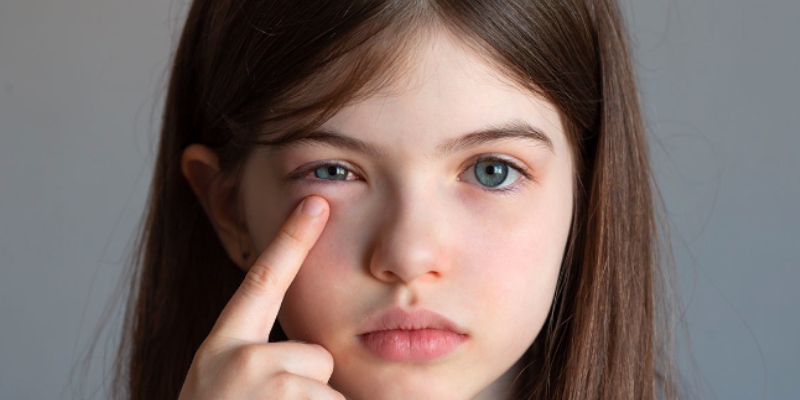
The most common symptom of eye flu is redness or inflammation of the eye. Other symptoms include:

  1. Itching or burning sensation in the eye.
  2. Watering of the eyes.
  3. Sensitivity to light.
  4. Discharge from eyes.
  5. Sticking of eyelids together.

What are the Types of Conjunctivitis?

The best child specialist doctor in Chandigarh tells us that there are 3 main types of
conjunctivitis:

  1. Viral Conjunctivitis
    This type is caused by a viral infection including cold or flu. It is highly contagious and lasts up to 2 weeks.
  2. Bacterial Conjunctivitis
    This type is caused by a bacterial infection. Bacterial conjunctivitis can also cause yellowishgreen discharge from the eye.
  3. Allergic Conjunctivitis
    This type is caused by allergens including pollen or pet dander. It can occur any time of the year and is usually less contagious.

How to Prevent Conjunctivitis?

Conjunctivitis can be prevented by taking the following measures:

  1. Wash your hands frequently, especially before touching your eyes.
  2. Avoid sharing pillows, towels, or other personal items.
  3. Avoid touching your eyes with your hands.
  4. Practice good hygiene, especially during cold or flu season.
  5. Use protective eyewear when swimming or doing any activity with the potential risk of eye exposure.

How to Treat Conjunctivitis?

If you suspect eye flu, the best child specialist doctor in Chandigarh recommends the
following at-home care tips:

  1. Practice Good Hand Hygiene:

    The hands of your children can be a potential carrier of viruses or bacteria. Inculcate good hand hygiene habits in them. Wash their hands frequently. Avoid sharing towels, eye drops, or any other item that can spread infection.

  2. Warm or Cold Compress:

    Apply a clean, warm compress or ice packs to closed eyes as it helps in soothing eyes and reducing swelling. You can use a soft, lint-free cloth soaked in warm water and place it gently over the closed eyelids for a few minutes. Repeat as needed throughout the day.

  3. Clean Eyeglasses:

    If your child wears glasses, make sure to clean them with mild soap and water to remove any potential contamination.

  4. Artificial Tears:

    Over-the-counter lubricating eye drops called artificial teas in general can keep eyes moist and prevent irritation. Discuss this with your paediatrician and do not self-medicate.

  5. Avoid Eye Touching or Rubbing:

    Children can be easily frustrated with the constant eye irritation. They might find comfort in rubbing their eyes. This, however, can further irritate the conjunctiva and spread the infection to the other eye or other people around. Hence, make sure that your child does not touch the infected eye at all.

When to visit Doctor:

Excessive pain in eyes, high grade fever, difficulty in opening eyes and increasing redness are red flags for which doctor should be consulted immediately. Keep in mind to not self-medicate or take any eye drops without consulting the best child specialist doctor in Chandigarh. The paediatrician will examine the eyes for the type of injection and prescribe medication accordingly. If you wish to visit a paediatrician, you can consult Dr Neeraj Kumar at the Motherhood Hospitals.

At Motherhood Hospitals, we have a team of experienced specialists backed by the latest infrastructure and facilities. We have the best PaediatricIan in Chandigarh.

Do take an appointment with the best Paediatrician in Chandigarh at a centre closest to you. Meet with our doctors who will carry out the required investigations, diagnose the issue and recommend the most appropriate treatment, enabling you to lead an active life.

If you wish to get in touch with Dr. Neeraj Kumar, please book your appointment here