Endometriosis – Everything You Need To Know

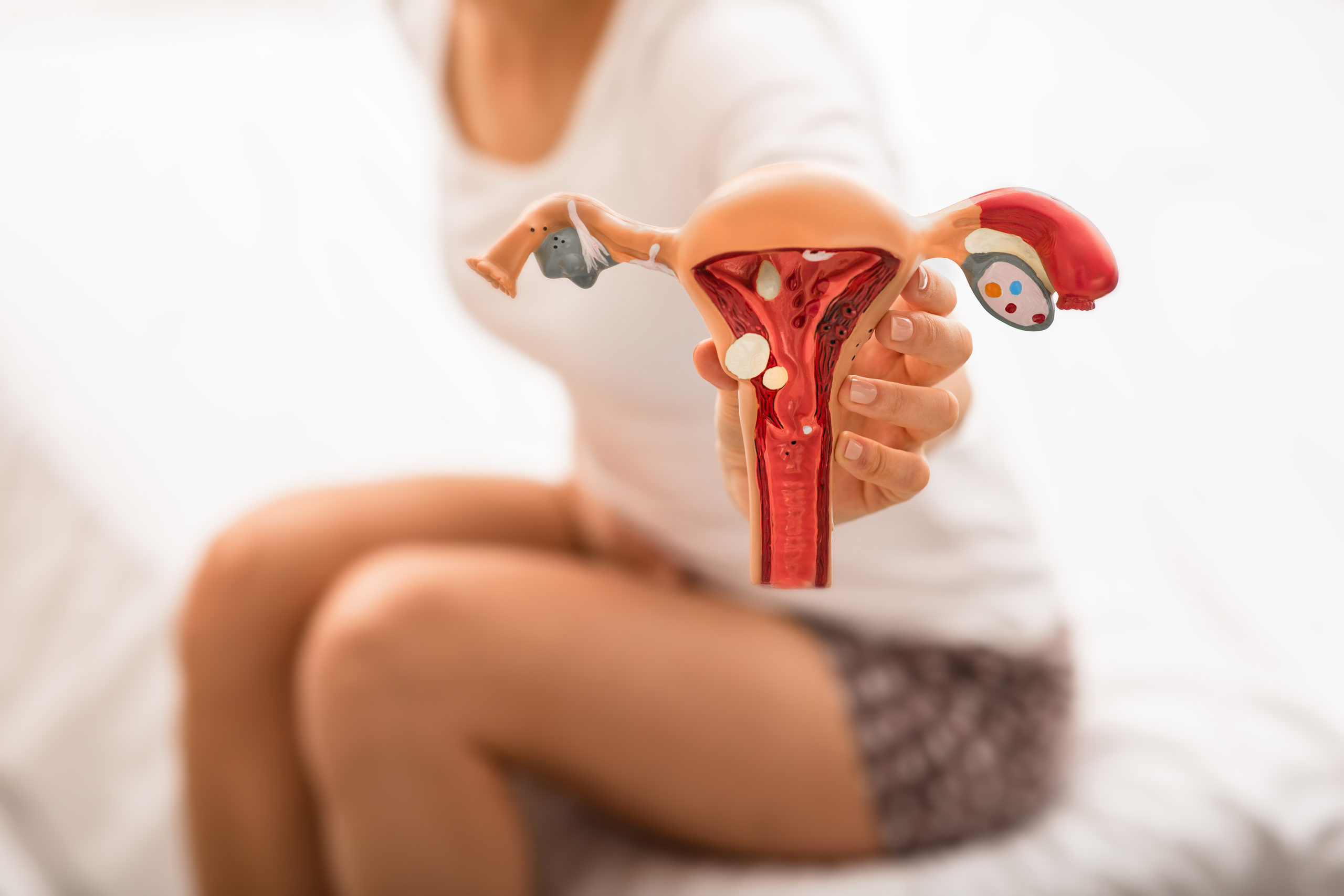
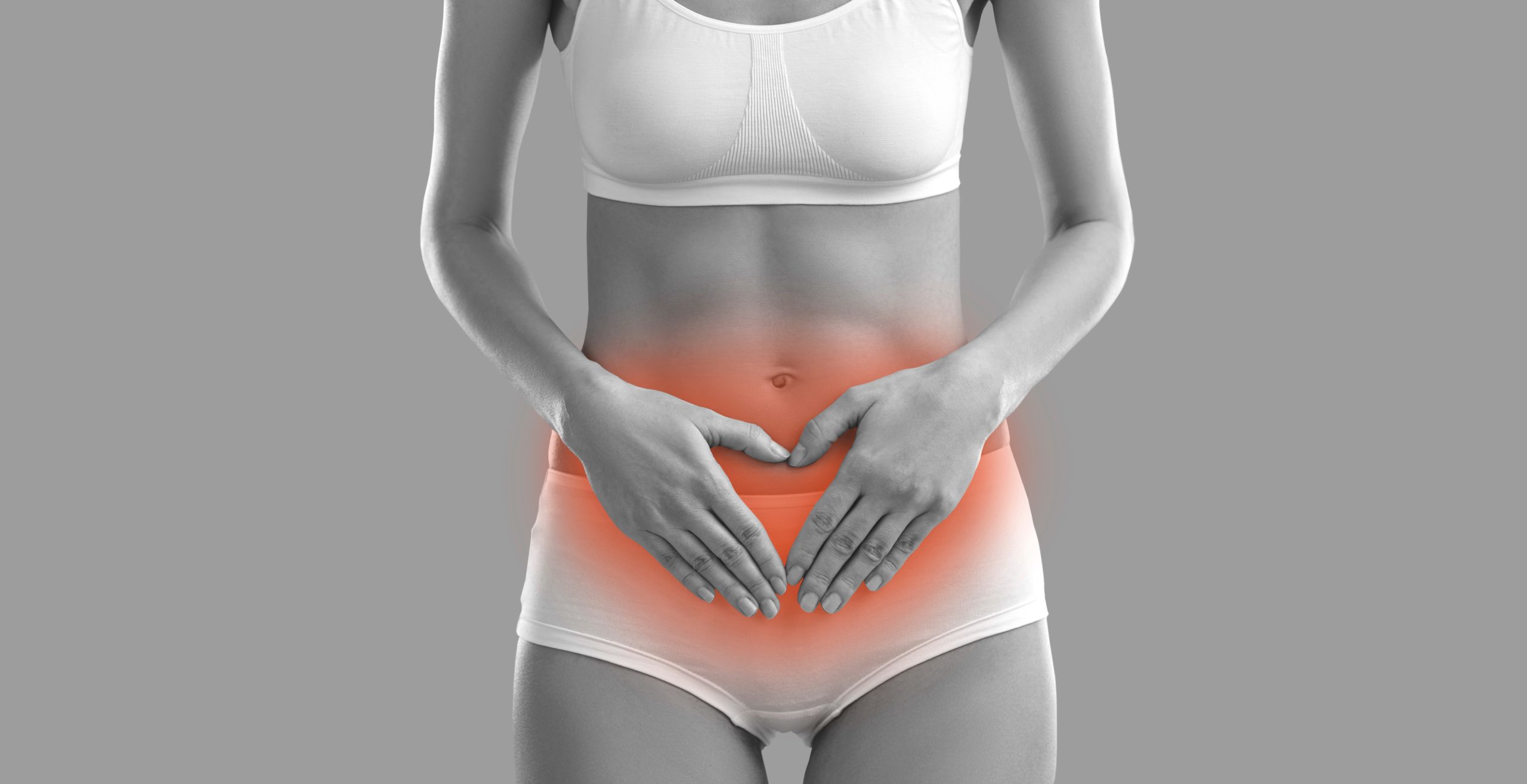
Many women learn to normalise pain they experience during their period and not to talk about out loud.We’re encouraging women and teenagers to break a taboo and talk about their menstrual health.Endometriosis (pronounced en- doh mee tree oh sis) affects more than just the physical body and can have a profound emotional impact on women and girls living with the condition. Don’t be afraid to ask your partner, friends or family for their support when you feel upset or confused. Endometriosis can affect all women and girls of a childbearing age, regardless of race o

Endometriosis r ethnicity.

Endometriosis & It’s Effect On Fertility

The most common complication of endometriosis is infertility and couples often find out about the problem when they take up tests to check fertility status. The relationship between endometriosis and infertility has been the topic of much debate. Research has shown that infertile women are six to eight times more likely to have endometriosis than fertile women. Some of the explanations given for decreased fertility in women suffering from this disorder include distorted pelvic anatomy, endocrine and ovulatory abnormalities, altered peritoneal and tubal function, altered hormonal and cell-mediated functions in the endometrium.

Based on common observations during laparoscopy, it has been found that the cysts and adhesions caused by the disease can lead to changes in anatomy of the pelvic organs. This impairs the fertilization process and in turn affects the release of eggs, thus leading to infertility.

Many women with mild to moderate endometriosis are able to conceive and carry a pregnancy to term. Doctors may advise women with endometriosis not to delay having children as the condition is likely to get worse over time. Interestingly the symptoms of endometriosis, especially pain, seem to disappear in women who are pregnant or breastfeeding.

Preeclamsia & Prematurity

Preeclampsia and Prematurity Insights on Managing Challenges in Pregnancy- Motherhood Hospital India

Pre – Eclampsia is a serious health problem affecting 5-8% of pregnancy worldwide

(8-10)% of pregnant women in India gets affected by it.

40% indicated or medically induced prematurity is caused by pre – Eclampsia and eclampsia in order to save life of mother and baby as delivery is the final option for this disease of placental origin.

Main indications of premature delivery are

Fetal:

  • Fetal disease
  • Intrauterine growth restriction
  • Oligo hydramnios
  • Placental abruption
  • Abnormal blood to fetus or abnormal doppler study

Maternal indications :

  • Recurrent eclampsia
  • HELLP syndrome
  • D/C
  • Liver hematoma
  • Renal failure
  • Hypertensive encephalopathy
  • Pulmonary edema

Can pre-elcampsia, eclampsia and prematurity can be prevented?

Primary prevention:

To prevent disease from happening

  • Avoid smoking and alcohol (It reduces disease by 30 – 40 %)
  • Maintain healthy weight
  • Avoid late marriage and late pregnancy
  • Diet rich in antioxidant such as Vit C, Vit E,Magnesium,. Zinc and calcium if positive family history of hypertension pre-eclampsia and eclampsia
  • Medication
  • Role of low dose of ecospirin is still no confirmed

SECONDARY PREVENTION

  • Medicines as such as Nifedipine, Labetalol, Hydralazsine
  • Sodium nitro prusside sodium

Tertiary Prevention to avoid recurrence by Magnesium sulphate

The main culprit of Pre-Eclampsia and eclampsia is placenta, which provides nourishment for baby.

There is no 100% effective screening method to prevent it. So, final outcome depends on experienced and dedicated obstetrician for early diagnosis organized antenatal care and family decision of delivery

Authored By : Dr Deepmala

Lamaze Simplifying Your Journey From Pregnancy To Childbirth

Lamaze Simplifying your journey from pregnancy to childbirth

While being in a room full of pregnant women discussing their hormonal changes may seem to be scary for a few husbands, Lamaze instructors make it comfortable for you by giving the serious issues some interesting twists.

Lamaze techniques involve not just written and oral instructions on birthing but also include

  • Practical exercises
  • Variety of activities
  • Visual Aid

To take you through the nine beautiful months of pregnancy and the process of birthing with ease.

Note To Fathers To Be

Hello Fathers To Be, this course will make your transition in the new role simpler. We expect you to be involved actively in the birthing process too. Just holding your partner’s hand during labour is not support. You need to actively participate in the process by giving soothing massages to your partner and help her move positions to ease labour pain.

The technique emphasizes on the benefits of natural birth and thus, trains you for giving birth with confidence without medical interventions.

One in four deliveries is to a woman educated in the Lamaze method

Lamaze is popularly known for its rhythmic breathing techniques, which emphasize active concentration and promote relaxation. The rhythmic breathing patterns help women turn their attention away from their contractions.

What should I expect in a Lamaze course?

Expecting Parents are advised to begin a class near the start of their seventh month of pregnancy. Here’s what the class covers:

  • Normal labor and birth (using videos of real births) and the early postpartum period
  • How to be active and informed participants during the birth
  • Focused breathing techniques for labor
  • Other relaxation techniques and natural strategies to help you work with labor pain, such as massage, walking, position changes, and hydrotherapy
  • Tips to help your partner encourage and support you during labor
  • The value of one-on-one professional support during labor
  • How to communicate with your healthcare team so your needs are met
  • Complications that could arise during labor and birth, and interventions that might be medically necessary
  • Epidurals and other options for managing pain with medication
  • Early interaction with your baby
  • Breastfeeding

Benefits Of The Lamaze Method

  • Management of pain without drug intervention gives the Lamaze method widespread appeal among parents who seek a natural childbirth experience.
  • Lamaze helps build your confidence in your body’s ability to give birth.
  • You can discuss your fears about labor and birth with the instructor and other couples with the same concerns.
  • Your partner will learn about childbirth and how to support you on the big day. You may find that attending lamaze classes together will create a special bond.
  • Lamaze supports evidence-based pregnancy, birth and parenting practices that are supported by research and experienced childbirth educators.
  • Lamaze guides you as you navigate all of your options, and their benefits and drawbacks.
  • Lamaze seeks to empower you as you explore how your body was designed for birth, and encourages you to work with your body’s natural abilities.
  • Lamaze provides strategies for comfort and coping with pain during labor, reducing unnecessary medical interventions, and receiving continuous support during labor and birth.
  • Lamaze encourages bonding between you and your baby, with the importance of skin-to-skin contact and time to get to know your new baby after birth.
  • Your instructor will discuss pain relief options, including massage, relaxation, breathing techniques, and medications.
Core Beliefs Of Lamaze Six Healthy Birth Practices

These six practices are as follows:

  • Healthy Birth Practice 1: Let labor begin on its own
  • Healthy Birth Practice 2: Walk, move around and change positions throughout labor
  • Healthy Birth Practice 3: Bring a loved one, friend or doula for continuous support
  • Healthy Birth Practice 4: Avoid interventions that are not medically necessary
  • Healthy Birth Practice 5: Avoid giving birth on your back and follow your body’s urges to push
  • Healthy Birth Practice 6: Keep mother and baby together It’s best for mother, baby and breastfeeding
Myths About Lamaze
Myth #1: Lamaze is all about breathing.

Reality: Breathing techniques are just one of many things that help women in labor.The goal of Lamaze classes is to increase women’s confidence in their ability to give birth. Women learn simple coping strategies for labor, including movement and positioning, labor support, massage, relaxation, warm baths/showers, and the use of heat and cold are some others.

Myth #2: Lamaze promises painless childbirth.

Reality: Many women are afraid of the pain that is a normal part of childbirth. The pain of labor and birth, like other pain, protects us. Responding to the pain of contractions by changing positions and moving, by massaging, by moaning actually strengthens the contractions, helps the baby settle into the pelvis and move through the birth canal, and reduces pain perception.Lamaze classes help women understand the value of pain and learn how to respond to pain in ways that both facilitate labor and increase comfort.

Myth #3: Lamaze childbirth means you can’t have an epidural.

Reality: Lamaze classes provide information about natural pain relief options as well as epidural analgesia. Eliminating pain completely makes it difficult to respond to contractions in ways that facilitate labor and birth. The ability to use many of the comfort techniques learned in Lamaze classes, such as changing positions, walking, and warm baths/showers may be limited. Lamaze education will assist women in making personal decisions that are right for them.

Myth #4: Lamaze doesn’t work.

Reality: Lamaze is working if women trust the natural process of birth, have confidence in their ability to give birth, have the freedom to work with their bodies as labor progresses, and are supported by health care providers, family and friends who wait patiently for nature to do its incredible work. Lamaze works if birth is allowed to work.

Myth #5: Lamaze is not for everyone.

Reality: Today, Lamaze childbirth classes provide the knowledge, skills, and support that help women give birth with confidence and joy as they have done for centuries. Lamaze preparation is for everyone!

Knowing that pregnancy and birth can be demanding on your body and mind, Lamaze seeks to help build your confidence and ensure that you have the support you need during pregnancy and birth.

Can micturition post coitus affect chances of conception in a female

For a lot of women post coital pee is regular. Peeing after sex as your doctor, best friend and mom have probably told you countless number of times, is the best way to avoid UTI. But what about when you are trying to get pregnant?

The commonly asked question in the outpatient clinic is will peeing after sex force the sperm outside my vagina. Good News is NO! Peeing after sex has no impact on your chances of conceiving. But donŸ??t hop up and run to the bathroom right after a sexual intercourse. Lying down at least for 2 to 5 minutes after intercourse increases the odds that the sperm might reach its date with the egg. If you are prone to UTIŸ??S go ahead and pee after 5 minutes. If not, you can enjoy a good cuddle.

Here it is important to understand how the sperm works towards a pregnancy. Every time there is ejaculation millions of sperms are released and it takes only one to cause a pregnancy. Immediately after an ejaculation, with a favourable cervical mucus, sperm are off like a racing team speeding up the vagina through to the cervix to get you pregnant and set you on a journey towards a healthy pregnancy.

Contraception : The Voluntary Prevention Of Pregnancy

Considerations when Choosing a Contraceptive Method

  • Safety
  • Protection from sexually transmissible diseases
  • Effectiveness
  • Acceptability
  • Convenience
  • Education needed
  • Side Effects
  • Benefits
  • Interference with spontaneity
  • Availability
  • Expense
  • Preference

Methods of Contraception

  • Temporary
  • Behavioral
  • Hormonal
  • Barrier – Spermicides
  • Long-Term / Permanent

Types of Contraception

  1. Barrier contraceptives
  2. Hormonal contraceptives
  3. Sterilization

Note: No single method of birth control is the best one. Each has its own advantages and disadvantages. Abstinence is the only 100% effective way to prevent pregnancy and STD’s

Barrier Contraceptives

Methods that physically or chemically block sperm from reaching an egg AND provide a BARRIER between direct skin to skin contact

Act as a physical block between you and your sexual partner

Great for STD protection!

Barrier Methods

  • Male condom
  • Female condom
  • Diaphragm
  • Cervical cap
  • Spermicides

MALE CONDOM

Perfect effectiveness rate = 97%

Typical effectiveness rate = 88%

Latex and polyurethane condoms are available

Combining condoms with spermicides raises effectiveness levels to 99%

  • Male condoms are 82 to 98 percent effective at preventing pregnancy
  • Condoms can only be used once
  • Do not use oil-based lubricants such as massage oils, baby oil, lotions, or petroleum jelly.They will weaken the condom, causing it to tear or break.
  • Water-based are the best can prevent breaking of condom.
  • Good choices: Latex condoms and polyurethane
  • Bad choices: Never choose natural or lambskin

FEMALE CONDOM

What is it? – A soft, loose pouch that is inserted in the vagina.Flexible rings at each end hold it in place.Can be put in up to hours before sex.

Not mandatory

How do you use it?– Insert the small ring in vagina, large ring stays outside partially covering labia.

Notes: Can be used if you are allergic to latex (made of nitrile).Men usually feel no reduction in sensation.

Access: Available at many pharmacies, clinics, and online

Effectiveness: 79-95%

  • Made as an alternative to male condoms
  • Polyurethane
  • Physically inserted in the vagina
  • Perfect rate = 95%
  • Typical rate = 79%
  • Woman can use female condom if partner refuses

Diaphragm & Cervical Cap

What is it? -A soft, silicone dome that covers the cervix w/ a flexible rim that holds spermicide

How do you use it? -Put a tbsp of spermicide in and slide it into the vagina.Protection lasts 2 hours, and needs to be left in for 6 hours after sex

Notes: Neither partners should feel the diaphragm.Get re-fitted if you gain/lose 15 pounds

Access: Doctor/clinic visit needed for prescription and fitting

Effectiveness: 82-94%

Spermicides

  • Cream
  • Gel
  • Foam
  • Film
  • Suppository
  • Sponge

What is it? Chemicals that go in the vagina before sex.Immobilize or kills sperm.Most work for 1 hour, sponge for 24 hours

How do you use it? Put in vagina following packaging directions.Most need to be put in 10 minutes before intercourse.

Notes: Key ingredient is Nonoxynol 9.Neither partner should notice spermicide.

Access: Easy to buy in a pharmacy

Effectiveness: 72-91%

Behavioral Methods

  • Predicting fertility: Basal Body

Temperature & Calendar method

  • Withdrawal/Pullout
  • Abstinence**- The only 100% effective way to prevent pregnancy, STIs, HIV/AIDS
Withdrawal/Pullout

What is it ? The man takes his penis out of the vagina before he ejaculates

How ? The male needs to ejaculate away from female; sperm on legs and labia can still travel into vagina

Notes: Depends on a male’s self knowledge and self control

Access: Free, available to anyone

Effectiveness: 78-96%

How effective is it?

  • Of every 100 women whose partners use withdrawal, 4 will become pregnant each year if they always do it correctly.
  • Of every 100 women whose partners use withdrawal, 27 will become pregnant each year if they don’t always do it correctly.
  • Pregnancy is also possible if semen or pre-ejaculate is spilled on the vulva.

Hormonal Methods

  • Methods that prevent the release of an egg (ovulation)
  • Prevents a fertilized egg from implanting in the uterus (prevents pregnancy).
  • NO hormonal methods reduce chances of STD’s!

Types of Hormonal Methods

  • The Pill
  • The Patch
  • Vaginal Ring
  • The Shot
  • IUD
  • Emergency Contraception
  • These methods add chemicals similar to hormones to stop the release of an egg and weaken the sperm.
  • The hormones change your cervical mucus and uterine lining, slow sperm, and reduce ability of fertilized egg to implant into uterine wall.

Oral Contraceptives

Also called ‘the pill, some contain estrogen, progestin, or mix of other hormones depending on pill

The pill is 91 to 99 percent effective at preventing pregnancy & is always prescribed by the doctor.

A pill is taken at the same time each day (once a day for three weeks, no pill fourth week -will get menstrual period)

What is it? –A pill taken orally every day at about the same time

Notes: There are many different brands.Your doctor can help you find the right one for you. Your period can occur monthly, every 3 months, or not at all

Access: Prescription needed

Effectiveness: 91-99.7%

How does the pill work?
  • Stops ovulation
  • Thins uterine lining
  • Thickens cervical mucus
Positive Benefits of Birth Control Pills
  • Prevents pregnancy
  • Eases menstrual cramps
  • Shortens period
  • Regulates period
  • Decreases incidence of ovarian cysts
  • Prevents ovarian and uterine cancer
  • Decreases acne
Side-effects
  • Breast tenderness
  • Nausea
  • Increase in headaches
  • Moodiness
  • Weight change
  • Spotting

The Patch Ortho Evra

What is it? A bandage-like patch that sticks to your skin

How do you use it? Changed weekly, no patch on 4th week.Hormones are absorbed through the skin

Notes:Less effective if you weigh over 198 pounds.May cause skin irritation.

Access: Prescription needed

Effectiveness: 91-99.7%

Vaginal Ring/Nuvaring

What is it? A clear, soft, flexible 2 inch circle worn in the vagina

How to use it? The body absorbs hormones from the ring through vaginal wall.The ring is inserted and left in the vagina for 3 weeks.

Notes: One size fits all, neither partner usually feels the ring

Access: Prescription needed

Effectiveness: 91-99.7%

  • The birth control ring releases the hormones progestin and estrogen
  • It is 91 to 99 percent effective at preventing pregnancy
  • Ring goes inside vagina up around your cervix
  • You wear the ring for three weeks, take it out for the week you have your period, and then put in a new ring
  • This method does not protect you from HIV or other STDs.

The Shot Depo Provera

What is it? A long acting hormone injection

How do you use it? Female is given a shot one time every 3 months

Notes: Not reversible- once the injection occurs, the hormones are in the woman for at least 3 months.It may take a long time to get pregnant after the shot. More chance of weight gain than any other method

Access: Clinic / doctor visit needed every 3 months

Effectiveness: 94-99.8%

  • Birth control shot given once every three months to prevent pregnancy
  • 99.7% effective preventing pregnancy
  • No daily pills to remember

Birth Control Shot

  • Every 3 months (or 12 weeks), women get shots of the hormone progestin in the buttocks or arm from their doctor.
  • It is 94 to 99 percent effective at preventing pregnancy.
  • It does not protect you from HIV or other STDs
Side Effects
  • Irregular menstrual bleeding and spotting for 3-6 months!
  • NO PERIOD after 3-6 months
  • Weight change
  • Breast tenderness
  • Mood change
*NOT EVERY WOMAN HAS SIDE-EFFECTS!

Emergency Contraception

  • Also known as the morning after pill
  • The pills are 75 to 89 percent effective at preventing pregnancy
  • Can be take up to 3 days(72 hrs) AFTER unprotected sex (depending on brand)
  • Effectiveness decreases after 24 hours
  • Emergency contraception should only be used after no birth control was used during sex, or if the birth control method failed, such as if a condom broke

When should I use it?

  • The condom broke or slipped off, and he ejaculated in your vagina.
  • You forgot to take your birth control pills, insert your ring, or apply your patch.
  • Your diaphragm or cap slipped out of place, and he ejaculated inside your vagina.
  • You miscalculated your “safe” days.
  • He didn’t pull out in time.
  • You weren’t using any birth control.
  • You were forced to have unprotected vaginal sex, or were raped.

How does it work?

The hormones in the morning after pill work by keeping a woman’s ovaries from releasing eggs ovulation. Pregnancy cannot happen if there is no egg to join with sperm. The hormones in the morning after pill also prevent pregnancy by thickening a woman’s cervical mucus. The mucus blocks sperm and keeps it from joining with an egg.

Long-Term / Permanent

Female- Tubal ligation

Male- Vasectomy

    • These procedures are permanent, and are usually done by people 35+ years
    • Both procedures are done in a doctor’s office
IUD: Copper (10 years)

Tubal Ligation (Female)

The fallopian Tube is ligated and sperm and ovum can no longer meet.A small incision is made in the abdomen to access the fallopian tubes. Fallopian tubes are blocked, burned, or clipped shut to prevent the egg from traveling through the tubes

Recovery usually takes 4-6 days

  • Tubal ligation or ‘tying tubes.
  • A woman can have her fallopian tubes tied (or closed) to stop eggs from being fertilized
  • Over time, the ends of your fallopian tubes could fuse back together, and it may be possible to get pregnant

VASECTOMY (Male)

This operation is done to keep a man’s sperm from going to his penis, so his ejaculate never has any sperm in it that can fertilize an egg. Operation is more simple than tying a woman’s tubes. A small incision is made to access the vas deferens, the tube the sperm travels from the testicle to the penis, and is sealed, tied, or cut. After a vasectomy, a male will still ejaculate, but there won’t be any sperm present

  • It has no effect on potency
  • Male hormones are still produced, so male secondary sex characteristics are not affected
  • Sperm production continues

Vasectomy

  • Patient Teaching:
    • Apply ice to scrotum
    • Moderate activity for two days
      • Sterility is not immediate –some sperm will remain in the sperm ducts so, the male must have ejaculations to rid the ducts of these sperm
    • After he has 2 negative sperm counts, he then can resume sexual activity without use of another contraceptive.

Intrauterine Device

  • It is placed inside the uterus by a doctor.
  • 99% effective at preventing pregnancy
  • Copper IUD: Can stay for up to 10 years – Interferes with sperm, fertilization, and prevents implantation
  • Hormonal IUD: Can stay for up to 5 years – It releases a small amount of hormone each day to keep you from getting pregnant.

Intra Uterine Device (IUD)

What is it? A small plastic T with a string inserted into the uterus

How do you use it? Releases synthetic progestin hormone that changes cervical mucus, fallopian tubes and the uterine lining.Stops or slows sperm and egg

Notes: Lasts 5 years.Insertion can cause a few minutes of pain, but removal is fast and easy

Access: Clinic / doctor visit needed for insertion & removal

Effectiveness: 99.8%

Content Credits: Dr. Sunitha P Shekokar

Misrepresented Facts Clarified

This post is with the sole purpose to clarify the misrepresentation of facts by Times of India.We hope that each one of you takes note of the facts and and the dedication with which expecting mothers are dealt with regularly at Motherhood Hospitals.

  1. Doctor not present in the hospital.

Fact: The consultant is a doctor of immense commitment and dedication and she had called to check on the patient at 5 amon her own and then came to the hospital at 5.08 am to ensure the safety of her patient and the baby.

  1. Competent anaesthetist not available

Fact:There was an anaesthetist in house and at all Motherhood hospitals we have a full time qualified Obstetricians on call 24/7 and a dedicated team of anaesthetists also 24/7. In this case the anaesthetist on call was the patients own friend who was present at her bedside and is a qualified person.

  1. Media says doctor administered a wrong injection.

Fact: The patient was admitted for induction of labour to facilitate a natural birth and the injection was given at 6 pmthe previous day. An allergic reaction or adverse reaction will not take 10 hours to happen.

  1. Baby was pulled out with forceps

Fact: The mother had a emergency caesarean section so the baby could not have had a forceps delivery. Baby was delivered at 5.40 am. Baby had suffered some oxygen deprivation due to the mothers illness and was saved.

  1. Patient taken to OT and nothing was done

Fact: The anaesthetist on call was her friend and 5 am patient was shifted to OT and 5.40 am the baby was delivered. The mother was resuscitated for 3 full hours by the team of doctors but she suffered from amniotic fluid embolism which is fatal event and not something the doctor could have stopped. For more details on Amniotic Fluid Embolism, please read this http://www.mayoclinic.org/diseases-conditions/amniotic-fluid-embolism/basics/definition/con-20035462

  1. The baby had passed stool

Fact: It is called a meconium stained liqor and happens in 15-20% of all term deliveries. It is nothing to be worried about just the neonatologist pay more attention to babies born with stained liqor. You can read more about this here as well. https://www.ucsfbenioffchildrens.org/pdf/manuals/5_MeconiumAF.pdf

Ectopic pregnancy By Dr. Beena Jeysingh

Normally the fertilized egg implants and grows into a baby inside the uterus. Rarely can it implant outside the uterus when it is called Ectopic pregnancy. The commonest site is fallopian tubes and is called Tubal pregnancy. Other sites can be ovary and cervix.
Presenting symptoms can be missing of periods, light vaginal bleeding, lower abdominal pain or giddiness.
Diagnosis is either through ultrasound or monitoring pregnancy hormone levels [b-hcG] in correlation with clinical symptoms.
Early diagnosis and management is important as it can cause heavy internal bleeding. Depending on the condition of patient and stage of ectopic pregnancy the management could be medical or surgical. Laparoscopy is the preferred surgical approach until the patient’s condition does not permit when open method is opted.

By
Dr. Beena Jeysingh | Know your doctor https://www.motherhoodindia.com/dr-beena-jeysingh-2/


What is Urinary incontinence Dr. Rubina Shanawaz

Explore insights on urinary incontinence with Dr. Rubina Shanawaz - Motherhood Hospital India.
Do you involuntarily leek urine when you laugh hard or sneeze? To find a solution to this embarrassing situation, read on
  1. IsnŸ??t involuntary leakage of urine a part of having children & growing older??
Though it is caused by repeated childbirths, hormonal changes, there is a solution to this embarrassing predicament which more than 1 in 10 women suffer from but silently endure due to the stigma associated with this condition.
  1. What is the medical term for this condition?
Involuntary leakage of urine during activities such as coughing, sneezing, lifting weights or laughing is referred to as Stress Urinary Incontinence (SUD) where urinary incontinence refers to inability to control urine & stress refers to its precipitating factor.
  1. How common is Urinary incontinence?
Around 1 in 10 women suffer from varying degrees of involuntary leakage of urine. The commonest of these is Stress Urinary Incontinence. Most of the affected women donŸ??t realize there are simple, effective treatment options available.
  1. What causes such involuntary leakage?
The urinary bladder &urethra the tube which brings urine from the bladder to the exterior) are supported by pelvic floor muscles which contract during coughing, sneezing & exercise to prevent leakage. Weakness in these muscles or damage to the bladder neck support can result in leakage What-is-Urinary-incontinence-by-Dr--Rubina2 This can be a result of:
  • Pregnancy & vaginal birth(as the same group of muscles support the uterus)
  • Obesity, Long standing cough/ Constipation
  • Lifting heavy weights over a long period of time
These can cause an increase in pressure in your abdomen & aggravate the stress on the pelvic floor leading to involuntary leakage.
  • Genetically Inherited factors:
  • Women with stress incontinence may also have problems with urinary Urge Incontinence (not able to control urine till reaching the restroom) or incontinence of feces/gas or prolapse (descent of uterus, felt as lump outside vagina). Do not feel embarrassed to mention these problems to your doctor. Pelvic floor problems are more common than depression(1 in 20 women) or hypertension (1 in 3 women)
What are my treatment options? These will depend on the severity of leakage & associated conditions Conservative options include General lifestyle changes:
  • Aim to drink 1.5 to 2 liters of water per day to pass urine 4 to 6 times/day
  • Maintaining a healthy lifestyle
  • High fiber diet to avoid constipation
  • Cutting out smoking
Pelvic floor exercises (PFC) The importance of these exercises cannot be over emphasized in mainly preventing and treating mild degrees of urinary incontinence. If practiced regularly and for 3 to 6 months at least, upto 75% of women show an improvement in leakage. It is important for all age groups of women right from first pregnancy and childbirth to post menopause. Surgical Options:- These range from daycare procedures like Ÿ??mid urethral sling suspension (suspending urethra with tape) to laparoscopic/open Burch colposuspension to bulking agents, depending on the individual patientsŸ?? severity of incontinence previous surgeries and other factors. By Dr. Rubina Shanawaz, MBBS, MS(OBG)

What is Urogynaecology? By Dr. Rubina Shanawaz

Urogynaecology is a sub-specialty which integrates the complex and intricate specialities of Urology and Gynaecology, focusing on urinary problems and pelvic floor disorders in women. These problems arise due to the close anatomy of the urinary bladder and urethra with the uterus and vagina. Hence, these issues in women will have to be dealt with keeping in mind the effect of the urinary and reproductive systems on each other in order to ensure complete relief of symptoms.

When will I need to consult a urogynaecologist ?

  • Are you not able to laugh freely or cough hard for fear of leakage of urine?
  • Are you not able to travel as you wish due to very frequent visits to the toilet?
  • Do you have a dragging pain in your vagina and have difficulty passing urine or stools?
  • Do you feel your vagina has lost its tone after repeated vaginal childbirths?

If your answer to any of the above questions is a yes, you need to visit a urogynaecologist.

What are the common conditions encountered in this field?

Incontinenceandpelvic floor problemsare remarkably common but many women are reluctant to receive help because of the stigma associated with these conditions. There is no more distressing lesion than urinary incontinence. A constant dribbling of the repulsive urine soaking the clothes which cling wet and cold to the thighs, making the patient offensive to herself and her family and ostracizing her from society.

Although countless women are bothered by a loss of bladder control, bowel symptoms, and pelvic discomfort they are often not aware that these problems have a name, much less how common they really are. Pelvic floor conditions are more common than hypertension, depression, or diabetes. 1 in 3 adult women have hypertension; 1 in 20 adult women have depression;1 in 10 adult women have diabetes; and, more than 1 in 2 adult women suffer from pelvic floor dysfunction. Around 1 in 10 women suffer from varying degrees of involuntary leakage of urine (urinary incontinence). The most common of these is Stress Urinary Incontinence.

Stress Urinary Incontinence (SUI):

Stress Urinary Incontinence (SUI) is the involuntary leakage of urine during activities such as coughing, sneezing, lifting, laughing or exercising.SUI affects at least 10-20% of women, many of whom do not realize that there are simple,effective treatment options available.

Other common types of incontinence include

Over active bladder (OAB)

In this condition, there is increased frequency of urination or urge to get up to pass urine more than once at night. Mixed stress and urge incontinence, overflow incontinence, reflex and functional incontinence.

Prolapse:
This condition occurs when there is a descent of the pelvic organs usually asca result of repeated vaginal childbirths. This usually is a descent of the uterus and cervix along with the urinary bladder and rectum or descent of just urinary bladder or rectum alone.

Fistulas :
These occur when there is an inadvertent creation of a false passage between the urinary tract and an abdominal organ resulting in leakage of urine usually following surgery where there is already an anatomical distortion due to endometriosis/ PID/ previous surgeries/ tumours involving bladder wall.

Diagnostic tests and procedures performed include:

Specialty treatments available include:

  • Laparoscopic/ Abdominal / vaginal / urethral reconstruction
  • Behavioural modification
  • Botulinum toxin injections
  • Pelvic floor re-education
  • Pessary(for prolapse and incontinence)
  • Pubovaginal slings
  • Sacral nerve stimulation
  • Apical suspension procedures for prolapse

By

Dr. Rubina Shanawaz MBBS, MS(OBG)