






Main causes of premature birth
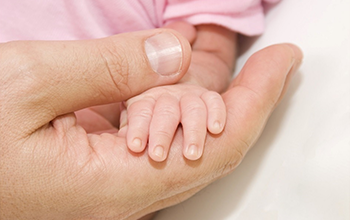
A normal and healthy pregnancy lasts for about 40 weeks. However, due to various factors, the labour may occur well before or after the estimated date. If the labour occurs before 37 weeks of pregnancy, the birth is considered to be premature, or preterm.
Classification:
Based on how early the baby is born, the baby is classified as:
- Late preterm: born between 34-36 weeks of pregnancy.
- Preterm: 24 – 34 weeks of pregnancy.
- Extremely preterm: born before 25 weeks of pregnancy.
Causes of premature birth:
The exact cause of premature birth cannot always be identified. However, there are certain factors which contribute to an early labour. Some of these factors are:
- Women younger than 17 and older than 35 are at an increased risk of premature delivery.
- Having a previous premature birth.
- Pregnancy with twins or multiples often results in preterm delivery.
- Malnourished women are also at a higher risk of premature delivery.
- Women suffering from chronic conditions like high blood pressure or diabetes.
- Being underweight or overweight during pregnancy.
- Smoking, drug abuse, or excessive consumption of alcohol during pregnancy.
- Problems related to cervix, uterus, or placenta.
- Physical injury, accident, or some other kind of trauma.
- Women with a past history of miscarriages or abortions are more likely to go into labour prematurely.
- Excessive physical, mental, or emotional stress.
- Infections, especially in the lower genital tract often result in preterm birth.
- Women who conceive through in-vitro fertilization have a higher chance of premature labour as compared to others.
- An interval of fewer than six months between successive pregnancies.
Prevention of premature birth:
Premature birth poses significant health risks for the baby, which include both short-term and long-term risks. In fact, premature birth was the leading cause of infant deaths in the past when medical facilities were not developed. Though certain risk factors are beyond one’s control, one can significantly reduce the risk of preterm birth by following these tips:
- Quit smoking before pregnancy, or as early as you can during pregnancy.
- Avoid consumption of alcohol or drug use during pregnancy.
- Before getting pregnant let your doctor know the medications you take, as some medications can be harmful to pregnancy and lead to premature birth.
- Maintain a healthy weight during pregnancy.
- Eat a nutritious diet and avoid junk food.
- Avoid stressful or physically challenging work during pregnancy.
- Maintain physical and social hygiene to avoid infections.
Motherhood is a one-stop solution to all your pregnancy needs and care. Our highly qualified team provides you with expert guidance during your pregnancy to avoid premature delivery and other complications. Even if a premature delivery is needed, our extremely competent team is well equipped and experienced in handling preterm babies, while providing a smooth delivery process and the utmost comfort and care to the mother.
Related Blogs


Recent Blogs


Filter Categories
Request Call Back
Schedule your consultation Today!
Connect with Motherhood Hospitals for expert care, trusted guidance, and the right support at every stage of your health journey.
Related Blogs
Recent Blogs
Schedule your consultation Today!
Connect with Motherhood Hospitals for expert care, trusted guidance, and the right support at every stage of your health journey.