






Author: Dr. Manju Gupta, MBBS, MS
Consultant, Obstetrician & Gynaecologist at Motherhood Hospital, Noida
A Medical Termination of Pregnancy, or MTP, is the termination of a pregnancy using medicines or a medical procedure under the care of a qualified healthcare professional. In India, MTP is regulated under the Medical Termination of Pregnancy Act, 1971, as amended in 2021.
The appropriate MTP procedure depends on gestational age, medical history, ultrasound findings where required, individual circumstances and the doctor’s clinical assessment.
At Motherhood Hospitals, women seeking MTP care can discuss their options confidentially with an obstetrician and gynaecologist and receive guidance about the appropriate method, expected recovery and follow-up care.
What Is Medical Termination of Pregnancy (MTP)?
Medical Termination of Pregnancy refers to ending a pregnancy through either a medical method using prescribed medicines or a procedure performed by an appropriately qualified medical professional.
MTP may be considered for different reasons, including circumstances covered under Indian law relating to a woman’s physical or mental health, contraceptive failure, pregnancy resulting from sexual assault and certain fetal conditions.
It is important to distinguish between MTP and medical abortion. MTP is the broader term for termination of pregnancy, while medical abortion specifically refers to termination using medicines.
The safest method is determined after assessing how far the pregnancy has progressed and whether there are medical factors that could affect treatment.
Women considering an MTP should seek care from a registered medical practitioner and an appropriately approved healthcare facility rather than obtaining or using abortion medicines without medical assessment.
Key Facts About MTP in India
| Aspect | What to Know |
| Legal framework | Medical Termination of Pregnancy Act, 1971, amended in 2021 |
| Methods | Medical abortion or a procedure such as vacuum aspiration, depending on gestational age and clinical circumstances |
| Up to 20 weeks | Termination may be permitted under the Act based on the opinion of one registered medical practitioner when the legal conditions are met |
| More than 20 up to 24 weeks | Permitted for prescribed categories under the Rules, subject to the opinions of two registered medical practitioners |
| Beyond 24 weeks | Specific provisions apply, including Medical Board assessment in cases involving substantial fetal abnormalities |
| Privacy | The amended Act includes protection regarding disclosure of a woman’s identity and other particulars |
| Where it should be done | At a government hospital or another place approved under the Act, according to the applicable legal requirements |
These limits should not be interpreted as meaning that every pregnancy can automatically be terminated up to a particular week. Eligibility depends on the circumstances set out in the law and assessment by the appropriate medical professionals.
How Is the MTP Procedure Done?
The MTP procedure begins with a medical consultation rather than with the medicine or procedure itself.
A typical care pathway may involve:
- Consultation and medical history: Your doctor asks about the first day of your last menstrual period, previous pregnancies, medical conditions, medicines, allergies and relevant symptoms.
- Confirmation of gestational age: Clinical assessment and, when required, ultrasound are used to determine how far the pregnancy has progressed and assess its location.
- Discussion of available methods: Your doctor explains whether medical or procedural abortion is appropriate based on gestational age and clinical findings.
- Informed consent: The procedure, expected effects, alternatives, possible complications and follow-up are discussed before treatment.
- Medical or procedural treatment: The pregnancy is terminated using the method recommended for your circumstances.
- Recovery guidance: You receive instructions about bleeding, pain relief, activity and symptoms that require medical attention.
- Follow-up when indicated: Follow-up may be recommended to confirm that the pregnancy has ended and that recovery is progressing appropriately.
The exact process varies between individuals. This is one reason MTP should not be treated as a one-size-fits-all procedure.
Medical Abortion: Mifepristone and Misoprostol
Medical abortion commonly uses medicines called mifepristone and misoprostol.
Mifepristone acts on progesterone, a hormone needed to maintain pregnancy. Misoprostol causes the uterus to contract and expel the pregnancy tissue.
Cramping and vaginal bleeding are expected as part of the process, and nausea, diarrhoea, chills or temporary discomfort may also occur.
The timing, suitability and administration of these medicines depend on gestational age and individual medical circumstances. Do not buy or use an MTP kit without appropriate medical assessment and a prescription from an authorised healthcare professional.
Importantly, abortion medicines do not treat an ectopic pregnancy, which is another reason clinical assessment before treatment matters. WHO guidance also emphasises access to appropriate advice and emergency care when medical abortion is undertaken.
Surgical Abortion: Vacuum Aspiration and Other Procedures
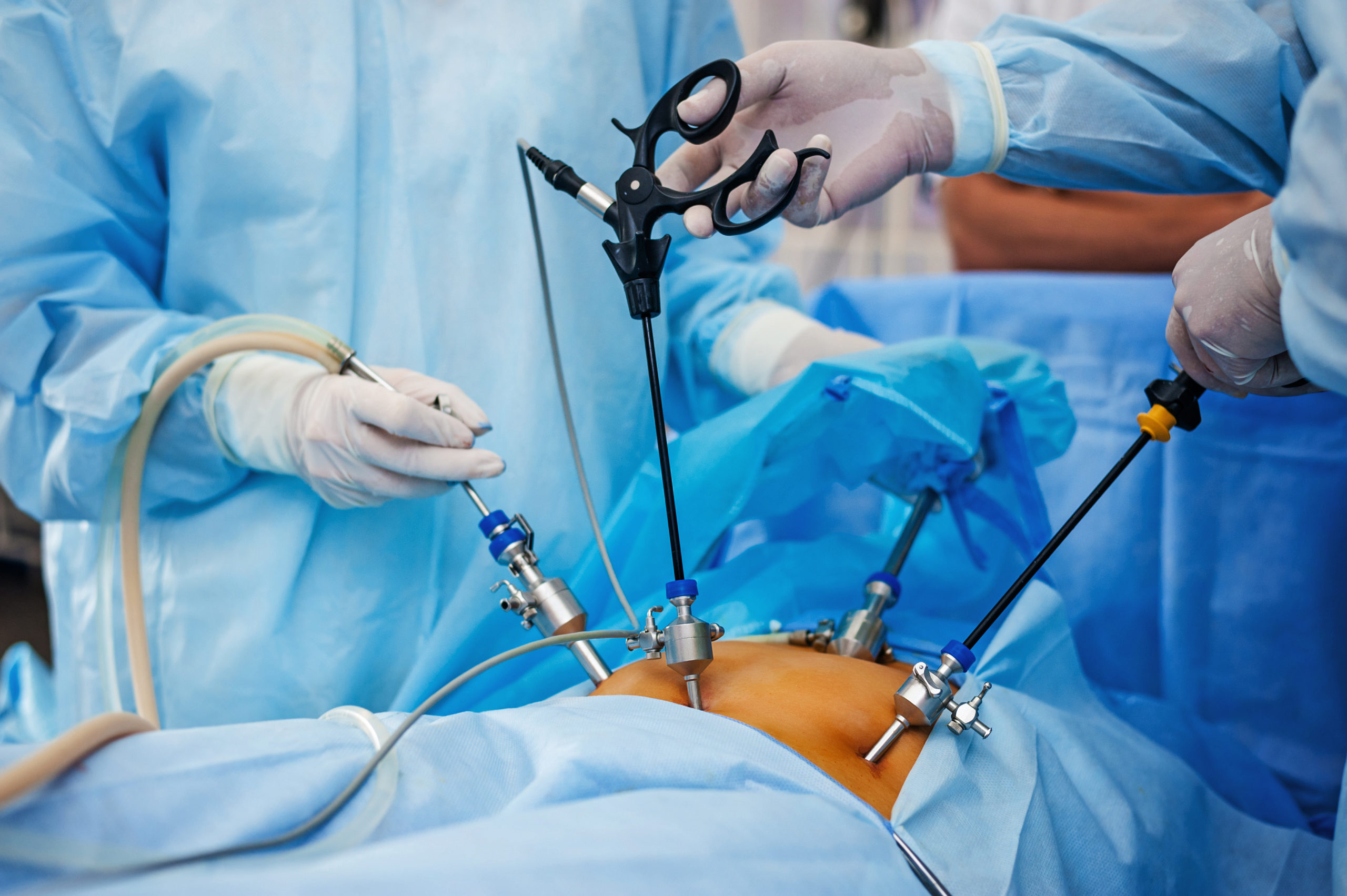
A procedural or surgical method may be recommended depending on gestational age, the woman’s health, personal circumstances or when medical abortion is unsuitable or incomplete.
Vacuum aspiration, including manual vacuum aspiration or MVA, is one method used to remove pregnancy tissue from the uterus.
In selected circumstances, other uterine evacuation procedures may be required. Dilation and curettage, commonly called D&C, is not automatically the first procedure for every surgical abortion and is used according to clinical need.
Pain relief, local anaesthesia, sedation or general anaesthesia may be used depending on the procedure, clinical setting and individual requirement.
Procedural abortion should be performed in an appropriately approved clinical setting by a qualified practitioner.
What Is an MTP Kit and How Is It Used?
An MTP kit generally refers to prescription medicines containing mifepristone and misoprostol for medical termination of pregnancy.
Although these medicines are commonly used in medical abortion, an MTP kit should not be treated like an over-the-counter medicine.
Before prescribing medical abortion, a doctor may need to assess:
- Gestational age
- Pregnancy location
- Previous ectopic pregnancy
- Significant anaemia
- Bleeding disorders or medicines affecting blood clotting
- Other medical conditions
- Symptoms such as unusual abdominal pain or bleeding
The medicine schedule and follow-up plan should be provided by the treating healthcare professional.
Self-medicating without knowing the gestational age or pregnancy location can delay recognition of complications such as ectopic pregnancy or incomplete abortion.
MTP Legal Guidelines in India: MTP Act 1971 and 2021 Amendment
The Medical Termination of Pregnancy Act, 1971 provides the legal framework for termination of pregnancy in India. The MTP Amendment Act, 2021 and the amended Rules expanded and updated parts of this framework.
Pregnancy Up to 20 Weeks
For pregnancies that do not exceed 20 weeks, the law provides for termination under specified circumstances based on the good-faith opinion of one registered medical practitioner.
Pregnancy Beyond 20 Weeks and Up to 24 Weeks
For pregnancies exceeding 20 weeks but not exceeding 24 weeks, the law provides for termination for categories of women specified under the Rules, based on the opinions of at least two registered medical practitioners.
Pregnancy Beyond 24 Weeks
Separate provisions apply in certain cases involving substantial fetal abnormalities, including assessment by a Medical Board constituted under the applicable legal framework. Emergency provisions also exist where termination is immediately necessary to save the pregnant woman’s life.
Is MTP Confidential in India?
Yes. The amended Act contains specific privacy protection. A registered medical practitioner must not reveal the name or other particulars of a woman whose pregnancy has been terminated except to a person authorised by law.
Because individual circumstances can affect how the law applies, legal gestational limits should not replace an assessment by a qualified gynaecologist.
Factors Considered Before an MTP
Before an MTP, your healthcare professional may consider:
- Gestational age
- Pregnancy location
- Current medical conditions
- Previous pregnancies or surgeries
- Current medicines and allergies
- Haemoglobin or other investigations where clinically indicated
- The reason for requesting termination within the applicable legal framework
- Which method is medically appropriate
- Access to follow-up or emergency medical support
Your own informed decision is central to the process. For an adult woman who is able to provide consent, the law requires her consent for termination.
What Are the Risks and Possible Complications of MTP?
When performed using an appropriate method by qualified healthcare professionals, abortion care is generally safe. WHO provides evidence-based recommendations covering both medical and procedural abortion care.
However, as with any medical treatment, complications can occur.
Possible MTP risks and complications include:
- Heavy or prolonged bleeding
- Significant pain or cramping
- Incomplete abortion
- Continuing pregnancy after an unsuccessful medical abortion
- Infection
- Rare procedural injury during surgical treatment
- Adverse effects related to medicines or anaesthesia where used
The existing article listed “difficulty becoming pregnant in the future” as a complication. This should be removed as a routine risk. An uncomplicated, appropriately performed abortion does not generally reduce future fertility. Fertility may return relatively quickly after an abortion.
What to Expect After MTP: Recovery and Care
Recovery after medical abortion or a procedural MTP varies according to the method used and gestational age.
During the First Few Days
Cramping and vaginal bleeding are common, particularly with medical abortion. Bleeding may initially be heavier than a normal period and then reduce.
You may also experience fatigue, nausea or temporary breast tenderness.
Follow your doctor’s instructions for pain relief and avoid taking medicines that have not been recommended for you.
During the Following One to Two Weeks
Bleeding or spotting may continue for some time and should generally become lighter.
Most women can gradually resume routine activities according to how they feel and the advice given by their doctor.
Your healthcare professional will explain whether you require an in-person review, pregnancy testing, ultrasound or another form of follow-up. A routine ultrasound at a fixed two-week interval is not required for every person after an uncomplicated abortion. Follow-up should be based on the method used, symptoms and clinical assessment.
When Can Fertility Return After MTP?
Ovulation can return before the next menstrual period, which means pregnancy can occur again relatively soon after an MTP.
If you do not wish to conceive immediately, discuss contraception with your gynaecologist before or during your follow-up.
Motherhood Hospitals also provides guidance on contraception methods so that you can choose an option suited to your medical history and future pregnancy plans.
WHO guidance notes that several hormonal contraceptive methods can be started immediately in association with medical abortion when chosen and medically appropriate.
Emotional Recovery After MTP
There is no single “correct” emotional response after an abortion.
Some women may feel relief. Others may experience sadness, grief, anxiety or a mixture of emotions. Personal circumstances, the reason for the termination, family support and previous mental health can all influence the experience.
Give yourself time to recover without feeling that you must react in a particular way.
Support may come from:
- A trusted family member or friend
- Your gynaecologist
- A counsellor or mental health professional
- Your partner, where appropriate and supportive
If emotional distress becomes persistent, affects daily functioning or includes thoughts of self-harm, seek professional support promptly.
At Motherhood Hospitals, the focus should remain on confidential, respectful and non-judgmental care throughout the MTP process.
When to Seek Immediate Medical Help After MTP
Do not ignore symptoms that are unusually severe or are becoming worse.
Contact your doctor or seek urgent medical attention if you experience:
- Very heavy or persistent bleeding
- Severe abdominal or pelvic pain that does not improve
- Fever or persistent chills
- Foul-smelling vaginal discharge
- Dizziness, fainting or marked weakness
- Increasing rather than improving pain
- Little or no bleeding after medication when your doctor has advised you to expect bleeding
- Persistent pregnancy symptoms or concern that the abortion may be incomplete
- Severe one-sided abdominal pain, shoulder-tip pain or fainting, which require urgent assessment because ectopic pregnancy is a possibility
WHO guidance specifically notes that medical abortion medicines do not terminate an ectopic pregnancy, and access to medical advice and emergency care is important if complications are suspected.
Can MTP Affect Future Pregnancy or Fertility?
For most women, an uncomplicated MTP performed safely does not prevent future pregnancy.
Fertility can return quickly after the pregnancy ends.
Rare complications such as severe infection or uterine injury could potentially affect reproductive health, which is another reason safe treatment and prompt management of complications are important.
If you are planning a future pregnancy or have concerns about fertility after MTP, discuss them with your gynaecologist during follow-up.
MTP Care at Motherhood Hospitals
Women considering a Medical Termination of Pregnancy should have access to accurate information, privacy and appropriate clinical care.
At Motherhood Hospitals, the MTP pathway can include assessment by an obstetrician and gynaecologist, confirmation of gestational age where required, discussion of the medically appropriate options, counselling about expected effects and complications, and follow-up according to individual need.
You can also learn more about Medical Termination of Pregnancy services at Motherhood Hospitals.
Women in Noida can consult Dr. Manju Gupta at Motherhood Hospital, Noida for obstetric and gynaecological concerns.
FAQs
Is MTP Legal in India?
Yes. Medical Termination of Pregnancy is legal in India when it is performed in accordance with the MTP Act, 1971, as amended, and the applicable Rules. Gestational age, circumstances, medical opinions and the place where the procedure is performed all affect the legal requirements.
Is the Abortion Pill Safe?
Medical abortion using prescribed medicines is an established method of abortion care when it is appropriate for the pregnancy and the woman has access to suitable medical support. It should not be self-prescribed without assessing gestational age, contraindications and the possibility of ectopic pregnancy.
How Long Does Recovery Take After MTP?
Recovery varies according to gestational age and whether the abortion was medical or procedural. Cramping and bleeding commonly occur during the early recovery period, while spotting may continue longer. Your doctor should explain what is expected in your individual case and whether follow-up is required.
Will MTP Affect My Future Fertility?
An uncomplicated MTP generally does not affect the ability to become pregnant in the future. Ovulation may return relatively soon after the procedure. Rare complications such as serious infection or uterine injury may affect reproductive health, so appropriate medical care remains important.
Is MTP Confidential in India?
The MTP Act includes privacy protection. A registered medical practitioner is prohibited from revealing the name and other particulars of a woman whose pregnancy has been terminated except where disclosure is authorised by law.
Can I Take an MTP Kit Without Consulting a Doctor?
You should not self-medicate with an MTP kit without appropriate medical evaluation. A doctor needs to assess factors such as gestational age, pregnancy location, medical history and possible contraindications. Medical abortion medicines also do not treat ectopic pregnancy, which can become an emergency if it is missed.
Conclusion
Medical Termination of Pregnancy is a personal healthcare decision that should be supported by accurate information, privacy and qualified medical care.
The appropriate MTP procedure may involve medicines or a procedural method depending on gestational age, medical history, clinical findings and the requirements of the MTP Act in India.
Avoid using abortion medicines without appropriate medical assessment. Knowing what to expect, understanding possible complications and seeking help promptly for warning signs can make MTP care safer.
If you are considering an MTP or need confidential guidance, you can consult an obstetrician and gynaecologist at Motherhood Hospitals by calling +91 96203-96203, writing to writetous@motherhoodindia.com, or booking an appointment.