







Large Fibroids – Dr Sireesha Reddy

Advanced gynae surgeries for women

Diagnosing the condition early and giving the right treatment can help in alleviating the pain of the affected woman. That is what sets Motherhood Hospital apart as medical experts who have the know-how and experience to deal effectively with complicated conditions including multiple fibroids, cysts, endometrial cancers, pelvic prolapse and other problems. State-of-the-art technology and medical prowess of the doctors at Motherhood ensure the patients make a speedy recovery.

Dr Sireesha Reddy, Consultant, Obstetrics and Gynaecology, Motherhood Hospital, Hebbal talks about some of the complex conditions and their advanced gynaecological surgery solutions which are being conducted at the hospital on a regular basis.

Large Fibroids

In most instances fibroids may not pose any major problems or show marked symptoms. But, when they grow large and cause debilitating pain and bleeding, thus interfering with day-to-day activities it is time to act.

Gynaecological surgery is a good option, yet many women continue to suffer and refuse surgery, as they are scared to go undergo them. That is what happened with 40-year-old Seema (name changed) who was diagnosed with large fibroids.

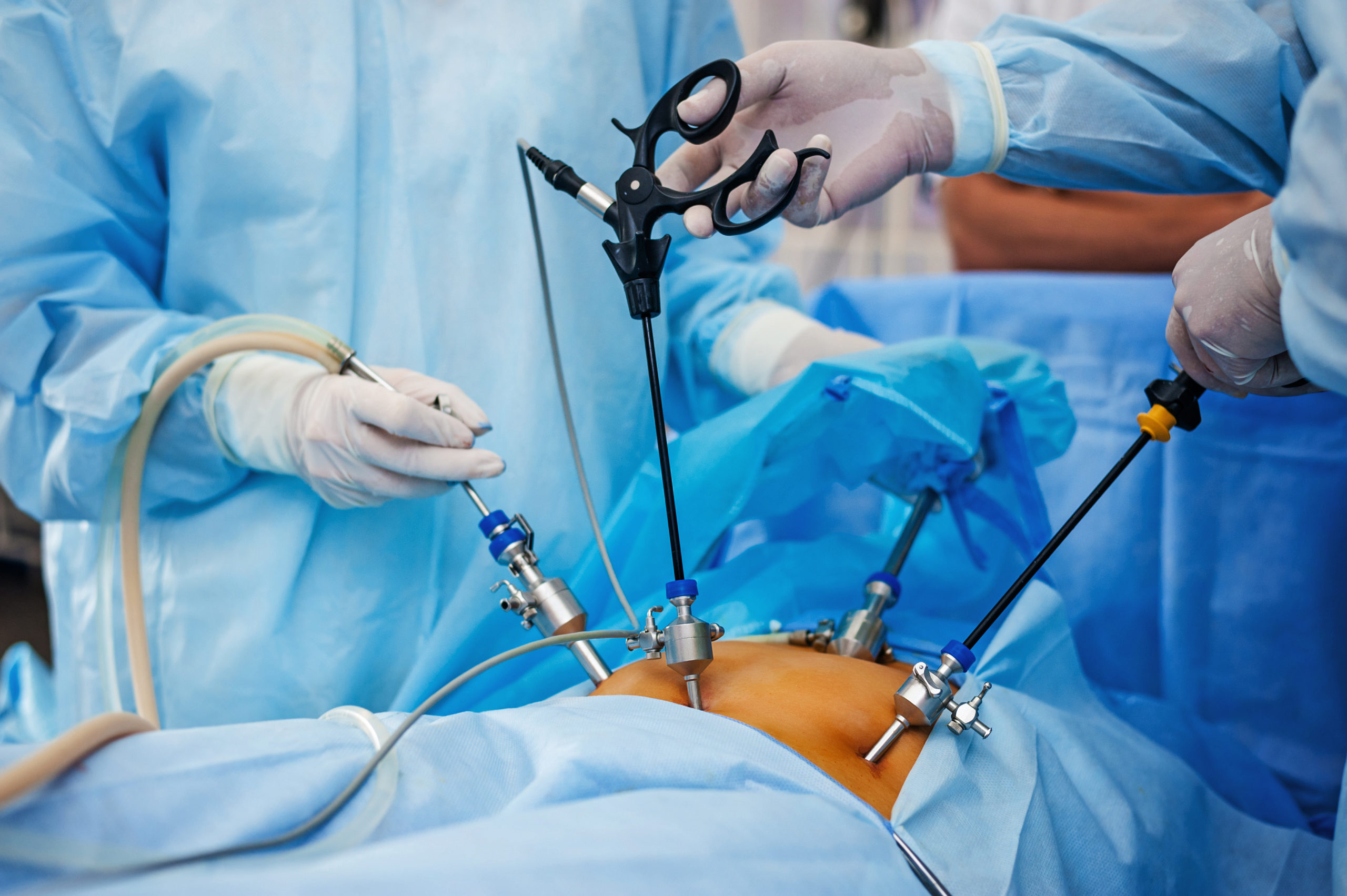
The patient had heavy bleeding and was extremely anaemic. She was on hormone therapy to regulate her periods and a host of other medications, when she came to us. Even though none of them were working, she was reluctant to have surgery, as she was scared, she would have a huge scar on her abdomen and that she would be bedridden for long. But at Motherhood, we convinced her to undergo a laparoscopic hysterectomy to remove the uterus, as the incisions would be tiny and she would make a quick recovery, informed Dr Sireesha Reddy, who conducted the surgery.

Treatment

Despite the patient having large fibroids, the doctor was able to successfully remove the uterus through the minimally-invasive procedure. In fact, upon removal, the uterus weighed 1.2 kg. The patient was thrilled with the outcome, as the tiny incisions were hardly visible, and the blood loss was also minimal. She did not have to endure much pain and got back to a normal lifestyle shortly.
Vaginal Vault Prolapses – Dr Suhasini

Dr. Suhasini Explains Vaginal Vault Prolapses and Causes and Treatment Options - Motherhood Hospital India

Advanced Gynae Surgeries for Women

Certain gynaecological conditions can make day-to-day life miserable for many women. These specialised procedures give them much-needed relief.

Every year, thousands of women in India are diagnosed with serious gynaecological conditions. Of these, some may seek timely treatment while many may not be aware of the dangers of these problems.

Dr Sireesha Reddy, Consultant, Obstetrics and Gynaecology, Motherhood Hospital, Hebbal talks about some of the complex conditions and their advanced gynaecological surgery solutions which are being conducted at the hospital on a regular basis.

Vaginal Vault Prolapses

A pelvic prolapse is a condition wherein one of the organs in the pelvic region starts coming down abnormally, causing a lot of discomfort. This could happen because of age-related causes including wear and tear of tissues over time, pregnancy and childbirth or due to congenital factors. When the tissues supporting the top part of the vagina become weak, resulting in that part of the vagina to sag or drop down into the vaginal canal, it is called vaginal vault prolapse. Sometimes, the sagging part of the vaginal wall may even be visible through the vaginal opening. Some women, who have undergone hysterectomy, may experience this condition because of the pelvic support tissues becoming weakened over the years.

Symptoms

  1. Discomfort and pressure in the pelvic region
  2. Back pain
  3. Difficulty in urinating/passing motion
  4. Urinary incontinenceTreatment

Apart from being a birthing centre, Motherhood Hospital is well-equipped and has an envious line-up of medical experts to carry out advanced surgical procedures for complicated gynaecological conditions. This includes minimally-invasive procedures to correct prolapse.

Advanced surgery to repair a vaginal vault prolapse will prevent the sagging and give relief from the symptoms, helping an affected woman lead a normal life without discomfort. We had a 65-year-old woman who came to us with symptoms of pressure and difficulty in passing urine. She had undergone a hysterectomy about 20 years ago. Investigations revealed that she was suffering from a vaginal vault prolapse. We performed a laparoscopic sacrocolposuspension procedure, which gave her much-needed relief from her symptoms, said Dr Sireesha Reddy.

In this minimally-invasive procedure, the surgeon makes tiny incisions on the lower abdomen and the top part of the vagina is connected to the tail bone through a graft. As in all laparoscopic procedures, scarring and blood loss is minimal and the patient makes a quick recovery.

Multiple Fibroids – Dr Suhasini

Multiple fibroids and their treatment options with Dr. Suhasini - Motherhood Hospital India

Safe Surgical Treatment for Every Woman

Women are often so busy looking after the needs of their loved ones and trying to strike a work-life balance that they fail to take care of their health.

Many women may experience setbacks in their reproductive health yet suffer discomfort silently till it becomes unbearable. Dr Suhasini Inamdar, Consultant, Obstetrics and Gynaecology at Motherhood hospitals, Indiranagar talks about a few conditions and the advanced treatment for them and ensures that women get the advantage of a timely diagnosis and effective treatment that includes advanced gynaecological surgeries wherever necessary.

Multiple Fibroids:

Fibroids are benign growths that occur within the uterus and are quite common among women. Uterine fibroids affect around 20-40 per cent of women in their reproductive age. They grow on the wall of the uterus and may be single or in clusters. Most fibroids go undetected as some patients may not show any signs of symptoms.

Symptoms

  1. Vaginal bleeding
  2. Bleeding between periods
  3. Painful periods
  4. Pain and discomfort in the pelvic region
  5. Heaviness and bloating of the lower abdomen
  6. Infertility

In some women, fibroids can interfere with day-to-day functioning as they cause severe pain and bleeding. As a result, the quality of life suffers considerably. In such cases, surgical treatment can help the patient get back to a normal, productive life.

Talking about a challenging case, Dr Suhasini said:

We had a 30-year-old patient who came to us with complaints of severe pain in the abdomen and heavy bleeding. She was anaemic and because of that she was always tired and unable to work to her full potential. Investigations revealed that the patient had multiple fibroids in her uterus. In fact, one of the fibroids was jutting into the lining of the womb, displacing the endometrium.

Treatment

Myomectomy: As the woman was in her reproductive years and wanted to conceive, the main challenge was to remove the fibroids while preserving the uterus. Also, care had to be taken not to damage the fallopian tubes. So, doctors performed myomectomy, a surgery to remove fibroids without taking out the healthy tissue of the uterus. A cut was made in the abdomen and the fibroids were carefully extracted. This procedure is recommended for women who want to get pregnant.

We removed more than 90 fibroids from her uterus, in such a way that there was no scope for infection in future and the tissue was not scarred. As a follow-up we have conducted a hysteroscopy (procedure to investigate the inside of the uterine cavity using a hysteroscope, a pipe-like device with a camera at one end) and the patient is recovering well, added Dr Inamdar.

Another surgical treatment for multiple fibroids is total hysterectomy, where the entire uterus and cervix are removed. This can be performed through the minimally-invasive route as well, even when the fibroids are large.

Can Short Intervals between Pregnancies Increase the Risk of Preterm Birth? – Dr. Suhasini Inamdar

No doubt pregnancy is a wonderful journey, but when your babyŸ??s health is your top priority, it is essential to learn about preterm birth. After all, 33, 41,000 babies are born prematurely in India each year out of which 3, 61,600 children under the age of five die due to health condition related to preterm complications.

Please donŸ??t let these numbers spin your head because fortunately most Ÿ??preemiesŸ? or prematurely born babies grow up to be perfectly fine!

What causes Preterm Birth?

Even though preemies generally grow up to be healthy and fine,?˜ it does not hurt to learn about it, starting with these top causes:

  • Preeclampsia
  • HELLP Syndrome
  • Early Uterine Contractions
  • Multiple Births
  • A Family History of Preemies
  • Age of the Mother (a teenager or someone over 40)
  • Chronic Stress
  • Unhealthy Lifestyle (of the mother)
  • Closely Spaced Pregnancies

Can Closely Spaced Pregnancies Increase the Risk of Preterm Birth?

Well, yes!?˜ A study conducted by the Ohio Department of Health strongly agrees to it.

The study was done to learn about the influence of inadequate birth spacing on the duration of the subsequent pregnancy taking account of 4, 54,716 live births from women with two or more pregnancies over a period of six years. The time recorded from the immediate preceding birth to the subsequent conception of the next pregnancy was defined as a short interpregnancy interval or IPI by the researches. Here, women with short IPIs were divided into two distinct groups; IPI less than 12 months and IPI 12-18 months.

The results showed that in women belonging to the first group, i.e. IPI less than 12 months, 53.3% of the women (4, 54,716) had delivered the baby before completing 39 weeks. Also, the rate of preterm birth before 37 weeks of gestation was higher in these women. This study proved that mothers with shorter IPIs were more likely to give preterm delivery when compared to women with optimal birth spacing that is greater than or equal to 18 months.

Why are Closely Spaced Pregnancies not Good for You and Your Baby?

Closely spaced pregnancies are another cause of premature birth. Remember that you just had your baby and your body has gone through a lot; therefore, it needs time to recover. The more time you give, the lesser are the chances of birthing a preemie or vice versa.

Your pregnancy stresses your body, it exhausts the body of nutrients and hence the body takes time to build up the supply of protein, vitamins, and everything in between. Your body can barely support you; that is why you need to focus on restoring those levels.

Also, the vaginal canal and the bacterial balance have to restore especially if you had vaginal infections. So, if you want another baby, we suggest you wait for at least 18 months, keeping in mind your health and the health of your bundle of joy. Remember, without enough time to recover, preterm birth is highly likely.

Why Motherhood?

Motherhood Hospital provides services which include our highly accomplished clinicians, nursing care ably supported by the latest technologies and treatment protocols. With state-of-the-art NICUŸ??s, Labor Suites, Adult ICUŸ??s, Operative Rooms, Laboratory Services, and 24/7 pharmacy, Motherhood delivers the best in women, newborn and childrenŸ??s health care.

Our Obstetric services include:

  • Prenatal Check
  • Antenatal Care (before birth)
  • Intrapartum Care (during labour and delivery)
  • Postnatal Care (after birth)

Therefore, there is more than one reason to trust us! Motherhood has got your back during your entire journey of pregnancy and after that. Our team of professionals can guide you through the whole process of pregnancy from start to finish.

Book your appointment today with our experts or send us an inquiry.

How does laparoscopy help in infertility?

Laparoscopy plays a very important role in the management of subfertility. Its suggested for women where after the basic investigation like hysterosalpingogram for tube assessment, ultrasound for assessment of uterus and ovary, and hormone analysis for the female partner and semen analysis in a male partner have not yielded any reason for subfertility or when on ultrasound in female partner has shown certain abnormality .

Laparoscopy is a very simple procedure. In subfertility usually it a day care procedure.it is done under anaesthesia but hysteroscopy can be done without anaesthesia which we call it as office hysteroscopy. Like women is admitted in the morning and discharged by evening, as it being diagnostic in nature most of the time. Even if we have do some corrective procedure like adhesiolysis, drilling, cystectomy, tubal cannulation, polypectomy or septal resection

Usually in a diagnostic lap with create 2 small incision of 5mm on the abdomen through which lap instruments are passed through and the procedure completed. If we need to do some operative procedure like cystectomy or adhesiolysis we create one more incision. As the cut are very small the problems associated with surgery is very minimal. Patient generally do not complain of pain and usually can go back to normal routine work in a days time.

Although there are many scientific methods to treat infertility such as in vitro fertilization (IVF) assisted reproductive technologies (ART), laparoscopy is inevitable in conditions where the reasons for infertility remain unknown.

When is diagnostic laparoscopy for infertility recommended?

After the initial work up of the couple if we find that there’s no obvious reason for subfertility then we recommend further investigation with diagnostic hystero- laparoscopy. And also when there are certain indications like

  • In case of an previous pelvic surgery
  • In case of suspected mild to moderate endometriosis.
  • In case of suspected pelvic inflammatory disease or tuberculosis.
  • In case of severe pain and cramps during menstrual cycles.

When is laparoscopic surgery recommended?

Is indicated when on initial investigation reveals certain correctable causes of subfertility.

  • In case of polycystic ovarian syndrome
  • In case of an endometrial deposits
  • If the fallopian tubes are blocked
  • If Hydrosalpinx is suspected
  • If ovarian cysts block fallopian tubes

Benefits of Laparoscopy:

  • Helps in having a comprehensive and detailed look inside the abdominal region
  • Helps in getting rid of pelvic pain
  • Helps in removing scar tissues, fibroids, and endometrial deposits

What Is Ovulation Induction And Am I A Good Candidate?

Things you should know about Ovulation Induction

The basic requirement for conceiving is the egg and sperm. Many couple are not able to conceive because of so issues related to this. Ovulation commonly known as release of egg from the ovary. Anovulation is a very common issue leading to subfertility. Anovulation could be because of many different reasons, mainly due to hormonal imbalance. Most common cause is polycystic ovarian disease. It’s quite simple to understand that if we restore ovulation the chance of fertility is restored

If you are going through ovulation issues but still you want your own child, ovulation induction is the ideal treatment option to help you out!

Understanding ovulation induction…

As now we already know that ovulation is the most basic requirement for fertility. Ovulation induction means to restore the egg development and release of egg in women having anovulation. After proper investigation to explore the cause of anovulation, treatment can be planned. Treatment of anovulation is generally very simple with basic oral medication or sometimes combing with injections depending on the cause of the condition and the response of the patient to the above treatment.

Who would require ovulation induction?

Ovulation induction is one of the options offered to women if:

  • PCOS which is making your menstrual cycle irregular.
  • Other medical issues like obesity, overweight and hormonal dysfunction.
  • Irregular periods due to any reasons
  • Unexplained subfertility

These problems affect women from conceiving. Ovulation Stimulation is a good option for women with these problems as this increases the chances of being pregnant.

How can ovulation induction benefit you?

The process stimulates the development and release of eggs from the ovary in a natural way either through fertility pills or injections. The medications that are used for stimulation of eggs, increase the quality and quantity of eggs. Thereby the chances of conceiving become much higher.

And finally, the procedure is also used in the IVF cycle since stimulation of eggs helps to mature multiple eggs in just one cycle.

Why should you see a doctor if you surfer from pregnancy loss?

Expert guidance for pregnancy loss: Consult a doctor for personalized care - Motherhood Hospital India

ItŸ??s believed that 75percent of all pregnancies end in miscarriage. However, most miscarriages go unnoticed because they happen so early. The victim might feel it like a normal period, slightly delayed though says Dr.Mirudhubashini Govindarajan, Clinical Director, WomenŸ??s Center by Motherhood. Experts believe that 15 to 20 percent of women will experience a miscarriage which is clinically recognized. Ÿ??This happens due to genetic, infective, immunological, endocrine or environmental causes or structural defects,Ÿ? she adds. According to her, 50 percent of early miscarriages could be attributed to genetic causes when fetus cannot survive due to genetic or chromosomal defect.

This miscarriage is a random event. Ÿ??But, most such women will achieve normal pregnancy subsequently,Ÿ? avers Dr.Mirudhubashini. As for immunological causes, it is finally the clots in blood which result in the demise of the fetus. Ÿ??Antibodies which some women carry in their blood may attack their own cells,Ÿ? informs Dr.Mirudhubashini, adding Ÿ??some of these antibodies may attack the placenta or promote formation of blood clots in the placentaŸ?. The clots can slow down the fetal growth leading to eventual miscarriage.

Miscarriage can also occur due to anatomic causes because some women may have a septum (wall) within the uterus. It could come in the form of a double or half uterine cavity or a similar defect which leads to miscarriage. Presence of large fibroids, particularly, those encroaching upon the uterine cavity can also preclude a successful pregnancy outcome.

Miscarriage can also occur due to infections. Many types of bacteria, viruses or parasites can cause pregnancy loss. But, this is not very common.

Elaborating on endocrine causes, Dr.Mirudhubashini says that women with irregular periods or Polycystic Ovarian Syndrome (PCOS) run a higher risk of early pregnancy loss because the multiple maternal hormones fail to provide an ideal environment to the developing embryo.

We canŸ??t do much about many of these causes. But, miscarriages occurring due to certain environmental causes like intake of harmful substances like drugs, alcohol, smoking or excessive caffeine can definitely be prevented to a great through abstention.

Miscarriage is never a pleasant experience. The agony could have a prolonged effect. Bleeding is the first symptom of a miscarriage. It could range from spotting to heavy bleeding (haemorrhage). A miscarriage resulting in haemorrhage is generally not life-threatening if good medical help is available. Ÿ??But, in the long run, a woman could become anaemic due to blood loss. She needs to be given adequate iron supplements and vitamin-rich diet to take care of nutritional deficitŸ? advises Dr.Mirudhubashini.

A woman suffering from miscarriage must get adequate rest and if she is working, it is advisable to take a few days off thus allowing the bleeding to taper off in a week. But, persistent bleeding or heavier than normal period is a definite indication that you should visit a doctor, says

Dr.Mirudhubashini. Ÿ??You should also avoid intercourse during this time. This is not good because the uterus is still healing. One should remember that infection might occur at any point because the mouth of the uterus is open from a few hours to days making it vulnerable to bacterial attack. Frequent change of sanitary napkins should be strictly followed. This along with adequate rest prevents infection in most casesŸ? she explains.

So, how would one know in the case of infection?
Ÿ??ItŸ??s a good question. ThereŸ??re a few symptoms which include pelvic pain, fever, foul-smelling discharge, burning and/or pain while passing urine besides vomiting, body ache or lethargy,Ÿ? she confirms.

So, how long one should wait before attempting the next pregnancy after a miscarriage?
Experts says a couple should plan their next pregnancy from the third month after the miscarriage since it takes about six weeks for a womanŸ??s body to come back to normal after the miscarriage. Ÿ??But before that the couple should undergo a thorough medical investigation to rule out any possible causes of repeated miscarriages,Ÿ? cautions Dr.Mirudhubashini. In the event of detecting the cause, it should be treated before attempting another pregnancy. In the case of a first miscarriage, basic testing is done to rule out infection or endocrine causes. A second miscarriage, however, will need a detailed testing while a third miscarriage warrants detailed counselling including genetic counselling and detailed probe to detect possible causes.

A woman who has suffered from miscarriage in the past should undergo pre-pregnancy counselling and start on folic acid supplements. The physician treating her should also need to correct her nutritional and mental health as the situation demands. In essence, any woman with a past history of miscarriage would do better in her next pregnancy with extra medical monitoring.

For Contact: 146B, Mettupalayam Road, Coimbatore Ÿ?? 641043
For Appointment: 0422-4201000

Best Maternity Hospital In Electronic City

Any pregnant woman would like to be treated well, especially
while she is in labour. With this in mind, most hospitals today have customized
packages which are sketched out, keeping the basic needs of the newborn and the
new mommy as their primary motto.

Sarjapur has a whole lot of hospitals which are well known
for their infrastructure and experience. So if you are also planning to deliver
your little one in the best maternity hospital in electronic city, here’s where
you must head!

We all know that during pregnancy, the women is neither ill nor injured, but she needs more care which is provided by maternity hospitals. The best maternity hospital in Electronic City like Motherhood Hospitals taking care of women during pregnancy and childbirth. The couples who can’t take care of baby and mom, always look for the best hospitals. It is said by many specialist from the best maternity hospital in Sarjapur that women should go for regular check-up from the initial stage of pregnancy. By regular check-up, doctors of maternity health care centres can understand her condition and treated her according to it. These Maternity hospitals in electronic city have the best obstetricians and paediatrician for treatment. Motherhood is a one stop maternity care center for a safe pregnancy and delivery. While providing premier comprehensive services so that even women journey right from conception to delivery is pleasant, enjoyable and memorable. The friendly atmosphere, the warmth and the protection provided at the hospital gives the mother-to-be a comfortable and stress-free delivery experience. Even the team always ensures that you receive the best care and proper guidance on after birth care and parenting. Daily visits from paediatricians to check on your little one’s health, advice on breastfeeding, nutritious diet and care at home etc. are a few extra special cares you receive.

PAP Smear

Pap Smear also known as Papanicolaou smear is a screening test for cervical cancer. It is a microscopic examination of cells scraped from the cervix and is used to detect abnormal cervical cells (precancerous cells) which helps to treat cancer in early stage.

WHO SHOULD UNDERGO PAP SMEAR AND HOW FREQUENT

-All women aged more than 20 years and below 65 years

-Pap Smear done once in 3 years

-HPV Liquid based cytology is done once in 5 years

However in some conditions, if recommended once a year in following people

On abnormal Pap Smear

  1. HIV Patients
  2. Weak immune system due to organ transplant, chemotherapy,

Chronic corticosteroid use

  1. Smoking women

Pap Smear not to be done in following

After total hysterectomy, where uterus with cervix fully removed for non-cancerous indication. If hysterectomy done for precancerous and cancer indication, then routine PAP Smear has to be done.

-Age 65yrs and above

Draw back of PAP smear test are

The false negative results, because of the following reasons

-Inadequate collection of cells

-Blood or inflammatory cells obscuring the abnormal cells.

Although it’s possible for abnormal cells to go undetected, time is on your side as cervical cancer takes several years to develop and if one test doesnŸ??t detect the abnormal cells, the next test most likely will detect.

How to prepare

To ensure that your PAP smear is most effective, follow these tips prior to your test.

Avoid intercourse or any vaginal douching or medicine for 2 days before having a PAP smear, as these may wash away or obscure abnormal cells.

-Not to do during menstrual periods.

If abnormal cells were seen in PAP smear

A colposcopy examination done for cervical tissue biopsy to diagnose cancer.

Breast Cancer: What Every Women Should Know About It

Lumps in the breast are common problems in females. Only 20% of these breast lumps are cancerous. Breast cancer has replaced cervical cancer and now ranks first in cancers seen among females. The incidence of breast cancer is on the rise among Indian females, especially among younger generations. In spite of various treatment options available for treating breast cancer, the survival rates are less among Indian population compared to western population due to the presentation in advanced stages, lack of awareness about presenting symptoms and social stigma among village population.

Breast Cancer Screening
Screening is a method to diagnose an illness in its early stages with the goal to prevent death and suffering with timely medical interventions. Detection of breast cancer in the early stage has survival rates of above 95% which drops to 50% in stage III. So Screening for Breast cancer plays a major role in early detection and better treatment outcomes. Mammography, self-breast examination and examination of Breast by a trained medical professional are various screening options available.

American cancer society recommends clinical Breast Examination as the best screening modality for early detection. In India, mammography and clinical breast examination are most commonly followed modalities. Mammography is an imaging technique which helps to detect lesions in early stages which could not be appreciated by clinical palpating. Every female above 40 years of age is recommended to undergo annual screening in the form of mammography and clinical breast examination. Females with other risk factors like family history of breast and ovarian cancer, previous breast lesions are advised to undergo screening from an early age than the regular population.

Am I at Risk of Developing Breast Cancer?
In India, nearly 40 out of 1 lakh females develop breast cancer. There is a significant increase among younger females in the past few years. Risk factors for developing breast cancer can be broadly divided into modifiable and non-modifiable risk factors. Hormone replacement therapy, family history of breast, ovarian or male breast cancer, previous breast biopsy, exposure to ionizing radiation, not bearing children are all non-modifiable risk factors. Smoking, obesity, alcoholism are modifiable risk factors.

We advise to lead a healthy active life style and avoiding Smoking and alcoholism. People with non-modifiable risk factors are advised to get counselled by a doctor regarding the precautions and should understand the presenting symptoms. People with a strong family history should undergo frequent screening than people with normal risk. Strong family history can be due to an inherited genetic mutation, such individuals can undergo genetic testing only after a proper counselling with a geneticist. Genetic testing without people counselling is not advisable.

Self-Breast Examination
A self-breast examination is one of the options for females to keep themselves on a regular check. Every female should be aware of the presenting symptoms of breast cancer like a lump in the breast, bleeding from the nipple, Ulcer (wound) over the breast skin or nipple area, dimpling of the skin over the breast etc.

Self Breast Examination Includes 2 Steps :-
1) Looking at the breast in a mirror for any skin or nipple changes, any visible swellings in the breast and axillary.
2) Feeling both the breasts in lying down position on a flat surface. Feeling the breast should follow a regular pattern not to miss any part of the breast.

A self-breast examination should be done after 3-5 days of the beginning of your monthly menstrual bleeding. Females who have attained menopause can examine the same any particular day of a month.