





WHEN TO SEEK MEDICAL ATTENTION FOR YOUR SICK BABY?

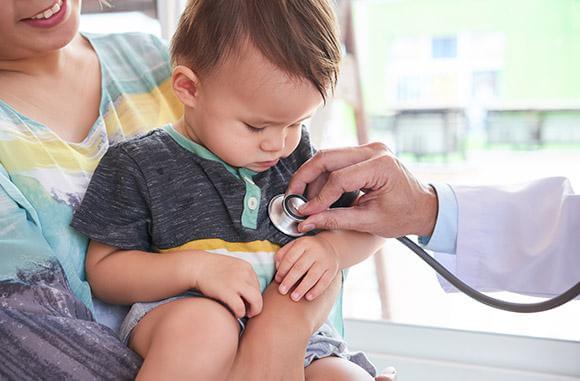
Pediatrician examining a baby during a medical check-up - Motherhood Hospitals India

It is often a difficult choice for mothers to make whether to care for the sick baby at home or to seek medical help. When is the right time for a parent to make this important call?  Sometimes, what seems like a minor ailment can turn into a  major health complication, when left untreated without any proper medical attention. You need not fret for every little thing.  Nevertheless, whenever you are in doubt, do not hesitate to take medical guidance as the right professional help can safeguard your precious little one from serious illnesses and severe infections

In this feature, let us understand the various aspects of seeking medical attention at the right time when your baby falls sick. 

High temperature: One of the most important red flags of  0 warning would be fever with a temperature higher than 102 F.  It is always better not to delay, especially when you observe that the temperature doesn’t drop even after a day.  

Diarrhoea and vomiting: Look out for severe loose motions and vomiting, sometimes with the presence of blood. Irrespective of using quick home remedies, this condition requires immediate medical attention. 

Breathing issues: If you observe rapid and heavy breathing in your baby, this could often be connected with lungs and chest congestion. Please do not take this easily as the regular flow of oxygen is very important for your baby’s well-being.

Urinary issues: If your baby has difficulty urinating or passing stool, this could be because of a urinary infection. This can be quite uncomfortable and painful for the baby causing much agony to the parents as well. Timely medical intervention can help resolve the problem. 

Vaccinations: As discussed in our earlier article on the importance of immunization, please follow the vaccination schedule for various diseases such as flu, hepatitis, polio, etc. This will help you prevent a whole lot of diseases and improve your baby’s immunity to counter any infections in the future. 

Eye problems: If you observe discharge in your baby’s eyes which could be caused due to irritants such as baby products or some allergic substances, then please consult the doctor immediately. Some of the signs to catch are swelling of the eyelids, watery eyes, etc. In such cases, please don’t be tempted to line your kid’s eyes with kohl or kajal. Keep them natural as such beauty enhancers can irritate your baby’s eyes. 

Other health-related issues: In cases of persistent sore throat,  severe headache, or pain in the stomach area which are commonly occurring symptoms along with fever, please seek medical advice. 

Dullness and inactivity: If you observe that your child is not at his/her playful self and exhibits dull and inactive behaviour persistently, then please speak to your doctor. Though the child might not experience overwhelming health issues, sometimes this can be linked to his/her overall well-being and any medical conditions in disguise. 

We understand that caring for a sick baby can take an emotional toll on the parent. However, with the right kind of medical attention, you can help your baby regain health and happiness.  Please understand that these symptoms or signs may not appear very scary but a little delay on your side can cause a  major impact. Our message would be: Don’t worry too much but at the same time, don’t take your baby’s health lightly. 

For more information on this topic, talk to our experts

COUNTERING BABY ACNE AND INSECT BITES

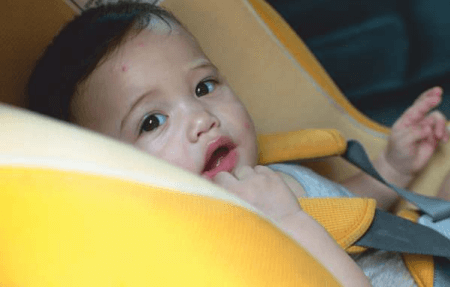
Does your baby have acne? Does it sound strange? Yes, some babies do have acne. Generally, children in their teens develop acne due to hormonal changes. However, in the case of infants,  the hormones of the mothers present in the bloodstream of the babies cause acne. In addition to acne that occurs in some babies, insect bites are also a common issue seen in these little fairies. As mothers, it is natural for you to feel concerned about baby acne and insect bites. The good news is that these are minor issues and can be easily addressed with little care and attention. 

Baby acne is small, reddish-looking pimples that usually occur in the facial area such as the forehead, chin, cheeks, and eyelids. It usually occurs in a quarter percentage of babies when they are  2-3 weeks old. In some cases, acne can be seen in the neck,  back, and chest areas as well. Considering babies have delicate and sensitive skin, it is easier for them to develop acne especially with their under-developed pores attracting dirt and dust in the surroundings. Therefore, it is important to maintain regular cleanliness and hygiene in the baby’s circle of activities.  

Here are some tips to take care of when your baby has acne: 

  • For some people, squeezing acne is a natural tendency.  However, do remember it is your baby’s skin. Please be patient and deal with baby acne carefully otherwise there are chances of leaving unwanted marks.  
  • When the acne is a little dry, don’t be tempted to scrub them.  Instead, always use lukewarm water to cleanse the area gently twice or thrice in a day. Always pat the area dry with a soft towel or baby wipes. 
  • Do not use any chemical-based products or more specifically any adult-use products on your baby’s skin. In case the acne increases and doesn’t naturally subside, it is always better to consult your doctor to treat this skin condition. 

Now that we have learned a bit about baby acne, let us also understand another commonly occurring issue in babies Ÿ?? insect bites. It is common for babies to have mosquito bites and red ant bites. Though not all insect bites cause many medical issues and are often treatable with lotions and ointments, they can cause a  certain level of discomfort to your child. Let us understand how to prevent these irritants and keep the baby’s smiles intact.

  • Most insect bites are dependent on the weather as certain seasons in a year are breeding grounds for insects. Therefore,  it is important for you to keep your indoors safe with nets and baby-friendly repellents. 
  • You can choose to close certain windows and doors to prevent the entry of these insects. However, ensure to keep the baby’s room ventilated with a fresh breeze and adequate light.  
  • While you take your baby on a stroll to the nearby park,  please protect your little one with the right clothing and any other steps recommended by your doctor. 

Whenever your baby is affected by an insect bite, do remember to remove the stinging tweezers from the skin and clean the affected area with baby soap/wash and water. You can also use cooling natural products such as aloe vera gel or an ice pack to soothe the baby. 

We hope that this feature on baby acne and insect bites proved to be informative and useful.  
For more tips and understanding on these topics, talk to our experts.

Get to know all about Paediatric Endocrinology and its conditions from Dr Venkatachalapathy, Best Paediatric Surgeon Hebbal, Bangalore

What is paediatric endocrinology?

Paediatric Endocrinology involves diagnosis, prevention and treatment of children and adolescent populations with endocrinological conditions. The science of Paediatric Endocrinology specializes in the prognosis and treatment of the disorders of the endocrine glands. Dr Venkatachalapathy, a notable paediatric surgeon, explains paediatric endocrinology and its conditions.

The disorders of the endocrine system may include:

Disruptions in physical growth and variations involving lack of physical and sexual development in childhood

What are the objectives of a paediatric endocrinologist?

The objectives of a paediatric endocrinologist include:

  1. understanding the anatomy and functionality of the endocrine system
  2. Identifying the endocrinological diseases linked to the environment
  3. Discovering the chemicals that disrupt the endocrine system

What are the common endocrinological issues in kids? 

  1. Endocrine cancers
  2. Hypospadias and Cryptorchidism
  3. Precocious puberty
  4. Diabetes
  5. Obesity
  6. Thyroid disorders 

Why do kids suffer from endocrinological disorders?

A few challenges with the endocrine system may create disruptions. Any hormone in excess may complicate paediatric health. Similarly, lack of secretion of a hormone or its scarcity may be harmful to the body. One of the examples may be taller kids owing to the excess of the growth hormone. The lack of growth hormone may disrupt the natural height of kids.

What are the main constituents of the human endocrine system?

The glands that constitute the human endocrine system are:

  1. Reproductive glands
  2. Adrenals
  3. Pineal body
  4. Parathyroids
  5. Thyroid
  6. Hypothalamus
  7. Pituitary

Despite being a part of the digestive system, the pancreas is also a part of the endocrine system. The pancreas secretes and produces digestive enzymes. Endocrine glands are those that generate hormones. Pancreas, liver, thymus, lungs, heart, brain and skin, placenta and kidneys are also the organs that release hormones. 

Endocrinological disorders and kids:

  • Hyperthyroidism:

Hyperthyroidism involves excessively high levels of thyroid hormones in the blood. There are various symptoms of hyperthyroidism.

What are the symptoms of hyperthyroidism?

A. Weight loss

B. Protrusive eyes

C. Swollen neck with an enlarged thyroid gland (goitre)

D. Excessive perspiration

E. Increase in the heart rate

F. Blood pressure or hypertension

G. Tremors

H. Nervousness

  • Hypothyroidism:

Hypothyroidism involves abnormally low levels of thyroid hormones in the blood. The deficiency of thyroid hormone may slow the body processes. There are various symptoms of hypothyroidism.

The symptoms of hypothyroidism may include:

A. slow heart rate

B. Dry skin

C. Fatigue

D. Delay in the puberty

E. Slow growth

Hashimoto’s thyroiditis is one of the autoimmune conditions children may suffer. It involves an autoimmune response from the immune system, which ends up blocking thyroid production. 

  • Endemic Cretinism:

Endemic cretinism involves the onset of hypothyroidism during conception. The cause of endemic cretinism is dietary iodine deficiency hindering the normal thyroid hormones. There are various symptoms of endemic cretinism.

The symptoms of endemic cretinism may include:

A. Spastic Dysplasia

B. Problems with Gross Motor Skills and Fine Motor Skills. These problems stem from damage to both pyramidal and extrapyramidal systems.

  • Diabetes:

Diabetes is a severe condition involving abnormal elevation of blood glucose. Inadequate insulin production is the primary cause of diabetes. It may lead to serious health concerns, including premature death.

It is already affecting over 220 million people worldwide. Low-income countries and middle-income countries are in the clutches of this illness, with over 80% of deaths linked to these countries.

What are the types of diabetes?

  1. Type-1 diabetes
  2. Type-2 diabetes

Type-1 diabetes was previously called insulin-dependent diabetes mellitus (DDM) or juvenile-onset diabetes. Type 1 diabetes stems from an autoimmune process destroying the pancreatic islets. The condition mainly affects kids and youngsters. The main risk factors for diabetes mellitus type 1 may be hereditary, autoimmune or environmental. There are various symptoms of type-1 diabetes.

The symptoms of diabetes mellitus type-1 include:

A. Excessive thirst

B. Abnormal hunger

C. Weight loss

D. Excessive urination

Are there any risk factors linked to type-1 diabetes? 

There are various chemicals or drugs which may trigger diabetes.

They may include:

A. Alloxan

B. Streptozotocin

C. Pentamidine

D. Rodenticides

These are the risk factors that may trigger an autoimmune response. The response may end up destroying the pancreatic islets. 

  • Type 2 Diabetes:

Type 2 diabetes is often called non-insulin-dependent diabetes mellitus or adult-onset diabetes. 

Type 2 diabetes affects over 90% of diabetics worldwide. The risk factors for type 2 diabetes are obesity and deskbound lifestyle or inactive lifestyle. 

The symptoms of diabetes mellitus type 2 are similar to that of type 1 diabetes. The symptoms of type 2 diabetes remain latent for years to decades. Therefore, the diagnosis may occur later in life. Most patients report that they discovered their diabetes after the complications arose. The prevalence of diabetes mellitus is leading to obesity in children worldwide. 

Are there any risk factors for diabetes mellitus type 2?

  1. Old age
  2. Family history 
  3. History of gestational diabetes
  4. Impairment in the glucose metabolism
  5. Deskbound or sedentary lifestyle
  6. Obesity or being overweight 
  • Hypospadias:

Hypospadias is one of the common birth defects. Hypospadias may affect 1 in 250 newborns. The number has recently doubled. The cause of Hypospadias remains unknown. Some studies correlate it with maternal exposure to endocrine disruptors. 

Are there any risk factors for Hypospadias and Cryptorchidism?

Preterm birth may lead to Cryptorchidism. Small gestational age and paternal smoking may lead to hypospadias. Paternal pesticide exposure may be one of the risk factors for Cryptorchidism.

Are there any ways to cope with these problems?

Positive changes in the environment and maintaining an ideal weight are two essential parts of a healthy lifestyle. Youngsters should develop healthy food habits. Parents should encourage their children to eat more organic foods. Children may prefer regular exercise and reduce sedentary lifestyle. Curbing the global problem of obesity requires us to opt for a multidisciplinary approach. 

Dr Venkatachalapathy, an expert paediatric surgeon in Hebbal, affirms that it’s necessary to abide by the doctor’s guidance. A paediatric surgery may help diagnose, treat, and manage the surgical needs of kids. Finding a good paediatric surgeon in Bangalore is subject to a general knowledge of endocrinology. 

Understanding Colic

Every mother loves to see the smiles of her child but not the painful crying. It would be quite stressful for mothers, especially new mothers to see her baby crying. Every parent would have been through such a situation. Are you concerned with your little one’s crying? One of the causes is colic and every parent needs to understand more about this condition. 

Colic is prolonged and intense crying or irritability in a healthy infant. Do you know that about 1 in 5 babies have colic? This kind of episode can start from three weeks of age and gradually subside when the baby is 3-4 months. How can you detect that your baby is suffering from colic? Check out for signs when your baby cries uninterruptedly even after a cuddling session with the mother. 

Some important aspects of colic that you need to know are: 

  • Painful crying with screeching, screaming quality 
  • Crying without a definite reason even after a feed and diaper change 
  • Continued irritability even after the crying episode has ended 
  • Discolouration of the face and stiffened legs & arms  
  • Crying episodes happen around the same time every day
  • Interrupted and erratic sleep schedules 

Food allergies, issues in the digestive system, etc. are some of the possible causes. Though it does not cause severe medical issues to the child, it is a stressful time for the parents. Don’t fret about this situation as this is a regular aspect of the baby’s early growth phase and won’t last forever. To help alleviate pain, you can try some of these easy home interventions: 

  • Lay your baby on his/her tummy, or give a nice, gentle rub on the tummy 
  • Wrap around a soft blanket around your baby and hold  him/her close to you 
  • Lay your baby on your lap and give a gentle massage on the  back 
  • To calm your baby down, a pacifier is a good go-to solution
  • Give a nice, warm bath to your baby

While you are taking care of your baby with colic, ensure to take care of yourself. Plan out the colic care schedule with your spouse so that you can have a few hours to unwind and vice versa. While music can soothe your child while having a colic spell, it can work wonders on you and help you overcome anxiety. Wear your headphones and listen to some pleasant music while you are tending your baby. Sometimes, a little sharing can be helpful. Speak to a friend or a counsellor if you need a listening ear. This can help you beat the blues. 

We hope that you understand colic in a better manner. Though it might not be a major matter of concern; it is always good to know about colic and if there’s anything more than the usual,  medical help is always available. Understand the symptoms of colic in terms of the frequency of episodes, patterns, etc. 

In case your baby experiences more discomfort and cries  intensely more than the regular norm, talk to our experts. 

Baby Care and breastfeeding when you have COVID-19

Breastfeeding in a pandemic: An overview:

COVID-19 is disrupting various routines worldwide. Every front of human life is under dispute and disharmony. The pandemic warrants quick actions under clinical observations. When a breakthrough becomes available, it may require subsequent guidelines to establish proper care. Breastfeeding is essential to optimize neonatal health. The health and growth benefits of breastmilk are undisputed and demonstrated. To establish secure breastfeeding in a pandemic like COVID-19, we should thoroughly understand the effects of the pandemic on maternal and neonatal health.

First of all, we should understand how the clinical characteristics of COVID-19 apply to breastfeeding. We should even understand the protective properties of breastfeeding. The tenets of neonatal healthcare may even include the importance of skin-to-skin care. The evidence available till today suggests that the risk of transmission of COVID-19 via breastmilk is very low. Breastfeeding is known for its irreplaceable health benefits both for the mother and the baby. Infection control strategies should be in place with stiff adherence to them. 

How to uphold care and caution while breastfeeding during the pandemics like COVID-19?

World Health Organization (WHO) rules that mothers with COVID-19 or suspected to carry the virus may opt to breastfeed their babies provided they follow every safety protocol. Breastfeeding is likened to promote anti-inflammatory responses along with antimicrobial properties and healthy immune responses. The components in breastmilk may also help prevent the incidence of respiratory tract infections. Breastmilk is loaded with an irreplaceable nutritional value contributing to the healthy growth of infants.

Even breastfeeding from women with confirmed or suspected COVID-19 infection can benefit the infants. Breastmilk constitutes a primordial form of health and development in infants. Breastfeeding establishes itself as the ideal food for kids during the first 6 months. With an irreplaceable nutritive value, it betters the immune response of kids strengthening the defense mechanisms against common and opportunistic infections. Regular and frequent breastfeeding also associates itself with a decrease in neonatal morbidity and mortality. 

How does the risk of COVID-19 endanger pregnancy and breastfeeding?

Current evidence is unclear about the vertical transmission of COVID-19 from the mother to her foetus through the placenta in pregnancy. Studies found no traces of the virus in amniotic fluid, placental tissue or umbilical cord blood. As stated above, the traces of novel coronavirus weren’t found in the breastmilk. Precautions are necessary to ensure a low risk of COVID-19 in babies and mothers who are breastfeeding. Mother-infant proximity is a healthy practice even amid the pandemics provided every safety protocol is in place. Healthcare professionals may extend their support to mothers who are unable to breastfeed in the wake of serious complications of COVID-19.

The women who are unable to breastfeed their baby may avail themselves of alternative methods. They may seek help from certified donor milk bank services or other centres dedicated to uplifting breastmilk supply. WHO recommends exclusive breastfeeding for the babies during the first 6 months of life. Even after including solid food in the diet of a child, mothers may continue breastfeeding their kids for 6 additional months. They may uphold this practice till the child reaches the age of 2. Mothers with COVID-19 must realize the importance of breastfeeding and opt for the same under stiff obstetric supervision. 

Why do people worry about the effects of COVID-19 on pregnancy and breastfeeding women?

Pregnant women aren’t more likely to fall prey to the COVID-19 infection than the nonpregnant counterparts. However, pregnancy itself involves many physiological changes including changes in the immune system and its response to the virulent microorganisms including COVID-19. Therefore, the incidence of COVID-19 in pregnancy may often relate to more severe symptoms of COVID-19. The COVID-19 pneumonia cases reported to date include mild to moderate symptoms and carry fair rates of recovery.

Pregnant women with other conditions such as hypertension, diabetes or high body mass index may develop complications following exposure to COVID-19. The pandemic itself may raise the risk of prenatal depression and anxiety in women. It may be important to extend proper obstetric care to pregnant and breastfeeding women. 

How to regularize breastfeeding and postnatal care in the pandemics like COVID-19?

More studies are needed to confirm whether the high-risk newborn babies are at a raised risk of complications or not. Infection of COVID-19 following any contact with virulent respiratory secretion may be a cause of concern. The healthcare staff and facilities may consider temporary separation in the event of maternal COVID-19 infection. 

Please follow the guidelines below if you find that temporary separation is mandatory:

  1. The healthcare team should assess the risks and benefits of temporary separation and communicate the same to the mother.
  2. The infants should be availed of a separate isolation room.
  3. In the event of the clinical obligations for colocation (rooming-in), of the baby and his/her sick mother in the same facility, facilities should consider every important aspect to prevent the transmission of COVID-19 from mother to child.
  4. The staff at the healthcare facility might consider using physical barriers to maintain safe distances between the mother and her child.?˜
  5. If there’s nobody to look after the new-born baby except the mother (COVID-19 infected or suspected) herself, the mother should maintain hygiene and practice hand sanitization under obstetric guidance. These standards should continue as long as the mother is under observation for the possibility of vertical transmission.

Breastfeeding:

  1. Mothers willing to breastfeed their babies even under temporary separation should consider expressing their milk.
  2. Expressing milk offers various health benefits both to the mother and her baby including establishment and maintenance of the proper milk supply.
  3. Mothers can use dedicated breast pumps for seamless milk extraction. 
  4. Mothers should accustom themselves to safety protocols and hand hygiene as they start expressing breastmilk.
  5. After each session of milk extraction, every part of the pump should be sanitized and disinfected as directed by the manufacturer/medical official.
  6. Healthcare teams should include a healthy caregiver to ensure proper distribution and consumption of the expressed breastmilk.
  7. The mother and baby in colocation should be under proper clinical observation.
  8. The mother willing to feed the baby at the breast should always wear the facemask alongside the appropriate standards of hand hygiene before and after each feed. 

Sports injuries in children: Should we be concerned?

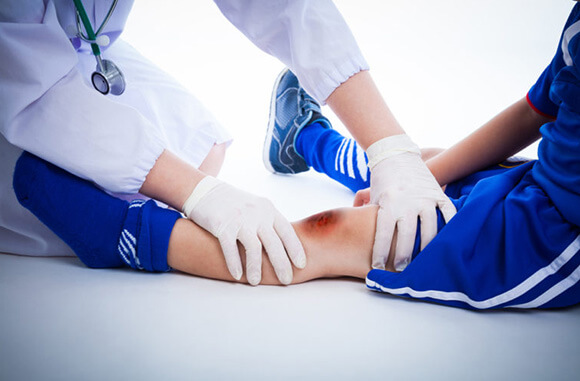
Proactive Measures for Kids' Sports Injuries - Motherhood Hospital India

By Dr. Shilpi Srivastava, Consultant Physiotherapits, Lactation Expert and Child birth educator, Motherhood Hospital, Noida

Eight-year-old Suresh is enthusiastic about sports and he is so passionate about it that he even doesn’t want to give a break to it if he is sick or met with some injury. Since he doesn’t take adequate rest after meeting such injuries, his body has become prone to wounds and sprain. The health experts even suggest that the tender bones and tissues of children are often subjected to some kind of injuries when they play without taking proper precaution and don’t rest after having a muscle pull or sprain.

Even a report from Centres from Disease Control and Prevention (CDC) states that more than 2.6 million children from 0-19 years old are treated in the emergency department each year for sports and recreation-related injuries. Some sports, which require frequent contact, are more dangerous than others. Contact sports such as football or basketball can be expected to result in a higher number of injuries like sprains and strains than a noncontact sport such as swimming. All kinds of sports can result in an injury either from the trauma of contact with the other players or from overuse or misuse of a body part.    

Most frequently occurring injuries

The most common injuries are muscle-joint sprains, bruises, dislocation and fractures and all these occur at frequent injured areas of the body, knee, ankle and shoulder joints. These injuries are short-lived and can be recovered within 10-15 days. According to the experts, only 4 in 10,000 injuries are that severe, which results in quitting sports. 

In all these injuries, diagnosis and care play an utmost pivotal role. Since children have soft tissues and bones unlike adults, their X-ray or MRI reports should be carefully evaluated by the pediatric orthopedic or radiation specialists familiar with such kind of reports. Even parents, doctors and faculty members should be cautious enough to give a good-enough time to the kid to resume sports. Unlike movies, they should be refrained from participating in any kind of sports competition during the treatment procedure.

Treatment of sports injury

The treatment of such injuries depends on how badly the kid is hurt. Here are some of the options your doctor may give you:

First aid: If the injury is minor, the kid may only need to put ice on your knee, elevate  his leg, and stay off his feet for a while. He can reduce swelling by wrapping an ace bandage around his knee. Crutches can help to keep weight off his knee.

Medications: Anti-inflammatory drugs can help to reduce swelling and pain. The doctor may suggest over-the-counter medications or prescribe something stronger.

Physical therapy: The child may need this a few days a week to get his knee back in working order. During these sessions, he will do exercises to strengthen the muscles around his knee that will help him regain a full range of motion. He may be sent home with exercise to do on your own.

Surgery: The doctor may tell you that you need this if your ACL (Anterior Cruciate Ligament) is torn badly. A surgeon will remove the damaged ACL and replace it with tissue to help a new ligament grow in its place. With physical therapy, kids who have surgery can often play sports again within 12 months.

Key Prevention Tips

Take proper time to heal completely

In general, an injury takes 12 to 16 weeks to be fully healed. But mostly, children start feeling better after a span of four weeks or so. And, they often get back to sports. This practice can have serious repercussion on bone health and might lead to disability. So, one should take full prescribed time for resting.

Always wear protective gears

Parents or teachers should create awareness among kids about the importance of wearing right protective gears such as elbow and knee pads, helmets, wrist guards for their activities.  Also ensure that all the protective gears are in right condition.  For example, avoid wearing such gears which have missing or broken buckles or compressed or worn padding. Poorly fitting equipment may be uncomfortable and also does not offer the best protection.

Warm up is the key

Before playing any sports, a kid should devote 20 minutes of his/her time in stretching the muscles, side shuffling and warming up.  They help in activating muscles and reducing injuries during the sport.

Stay Hydrated

To avoid heat-related injuries or illness, give some time to the child athletes to get their body gradually adjust to the weather conditions. Parents and coaches should make sure that players are hydrated well. Injuries occur when a child is not hydrated or rested well.

Follow the guidelines

Ensure that your child’s sports program or school has an action plan that includes information on how to teach athletes ways to lower their chances of getting a concussion and other injuries. Get more concussion safety tips.

A safe space of a child’s health!

We all want our child to have the very best life possible and health is an important aspect of a person’s life. Children have a plethora of health requirements, starting from the time they are born till their teenage years. Children cannot take care of their own health, which is why going to a pediatrician in Coimbatore in a wise option.

The best pediatrician in Coimbatore will have all the required expertise in handling and caring for a child’s health. A pediatrician has the knowledge when it comes to procedures and treatments for children of all ages.

From the time a child is born, the child needs various vaccinations to ward off viruses. The developing months are important as this is when the child’s mental and physical development is taking place. During these years a child is also prone to different types of injuries that may occur during playing. They tend to fall sick and catch illnesses fast as they come in contact with a lot of different people in schools, tuition classes and during recreational activities. Then comes the teenage years, where the body experiences a lot of change, the changes are internal, mental and physical. From all of these stages, making sure your child visits a pediatrician regularly will make sure your child leads an overall healthy life and you are always informed about your child’s upkeep.

The pediatrician in the Women’s Centre by Motherhood, Coimbatore will have access to the best medical infrastructure and latest technologies for a trusted medical service. They are up to date with the popular medical trends and have the practical knowledge to provide your child with the best care possible.

From regular health check-ups, evaluations, treatments and complex procedures, this is the one stop for all the care your child’s health needs.

Special care for your special child!

Childhood is a memorable and fun period of life but it is also a time when we tend to get a lot of injuries from playing. Children are also susceptible to various illnesses and viruses due to a delicate immune system. It is essential for children to go for regular visits to a pediatrician in Noida as a child’s body goes through numerous changes in their developing years. Taking care of a child is a full-time job with fewer breathers, having a trusted pediatrician will ease up a little part of your job. From regular health-checkups, vaccinations and treatment of illnesses and injuries, a pediatrician plays an important role in providing medical supervision in a child’s life.

A pediatrician has all the expertise and knowledge about a child’s health and treatment. Some of the pediatric treatments and procedures in Motherhood Hospitals include well-child exams, vaccinations, immunization, development screening, neurology, infectious disease and rehabilitation. A pediatrician will be able to evaluate your child’s health using specialized skillsets required to deal with the health and anatomy of children and young adults. Children tend to spend a lot of time outdoors and come in to contact with a large number of people daily. From going to school, tuition classes, extracurricular activities and playgrounds, they by default are prone to illnesses and injuries very often.

Visiting the best pediatrician in Noida will make sure that your little one remains in the best of his/her health during their developing stage up till the point of young adulthood. Even for surgical care and emergencies, it is only natural that you d want your child to be in safe hands and under the care of someone who is specialized in dealing with children. It is always a better idea to be prepared and be regular with your child’s health and medical needs so they can grow up to being healthy adults.

How To Protect Children Who Are Prone To Infection During Seasonal Change

The onset of Monsoons, brings in challenges of mosquito related infections. This is when the mosquitoes start breeding. Mosquitoes like Aedes Egypti breed in pools or puddle of fresh water and can cause Dengue.

Dr.?˜ Santosh Kumar, Paediatrician &?˜ Neonatologist, Motherhood Hospitals, Banashankari, Bangalore

Monsoons are always an enjoyable time for everyone, especially kids. After a long scorching summer, they get to enjoy the pleasant rainfall and play around in the mud and rain. But this monsoon is going to be very different.

Children may not understand this, but we are dealing with a pandemic this year. Parents must be extra careful about their childrenŸ??s safety around this time. While we are all taking the necessary precautions to protect our kids from coronavirus, we should not forget the illnesses/diseases that are caused by seasonal change, especially during monsoons. This is the time when your childŸ??s immune system is weakened, making them susceptible to various waterborne diseases.

There are certain infections which are seasonal, and some specific infections are more common in certain seasons. Some of them are:

Various bacteria thrive during summer due to the heat and moisture. Children falling ill during summer is more common than one would assume. Cases of loose motion and vomiting occur often, and they result in dehydration. In extreme harsh temperatures beyond 40 degrees Celsius, newborn babies can develop dehydration related fever.

During winter, flu can be a very common phenomenon with children and therefore flu virus can be pretty active during this time. They may cause a variety of diseases from the common cold to swine flu. Coughing, sneezing, runny nose, fever, body aches, congestion become quite common during this season. Due to the cold weather, cases of lower respiratory infections or viral bronchiolitis in babies increase.

The onset of Monsoons, brings in challenges of mosquito related infections. This is when the mosquitoes start breeding. Mosquitoes like Aedes Egypti breed in pools or puddle of fresh water and can cause Dengue.

The female Anopheles mosquito breeds in marshy waters, this is the one that causes Malaria. Mosquitoes are most active during the time of sunsets, when children may be out playing. Additionally, during the rainy season, water contamination from sewage is quite common resulting in infections like diarrhea, vomiting, typhoid, cholera etc

Apart from diseases due to seasonal changes, there may be an increase in infections when children are in close proximity to each other for example at schools or at home with their siblings. We see a number of cases of the hand foot and mouth disease, which spreads from one child to another. This causes sores in the mouth or rashes on hands and feet. It is spread by direct contact with saliva or mucus.

Prevention better than cure during the pandemic

We are living in troubled times, the pandemic has changed our way of life forever. Things we took for granted must be given a lot of thought. For example, the simple task of going to a hospital. But in the current scenario, where we all are trying to maintain social distancing to stop the spread of the virus, it is better to prevent your child from falling sick, than taking them to hospital where there could be  exposures.

Guidelines for parents to ensure wellness of their children amidst the

  • Good nutrition: Healthy and balanced diet is the first step towards improving your childŸ??s health and immunity. Parents should ensure that their child consumes all seasonal fruits, green leafy vegetables, so that they get a good vitamin supply in their diet. It is very important to avoid junk food.
  • Hand Hygiene: Teach them proper hand and respiratory hygiene. This is especially important in this pandemic ridden world. Lead by example; make sure they notice you washing your hands regularly. This will make them realise its importance and they will start imitating you. Good hand and respiratory hygiene will not only protect them from Covid-19 but also safeguard them from loose motions, typhoid, and various other viral infections.
  • Protect them from mosquitoes: As mentioned before, monsoon is the time when mosquitoes thrive. Ensure there is no water stagnation near your house. Use a mosquito net or apply repellents on your children to protect them from mosquito bites.
  • Bathroom Hygiene: This is necessary. Teach your child proper hygiene measures before after using toilet.
  • Regular vaccination: Vaccination or immunization is one of the most effective ways to prevent diseases. A vaccine or immunization is a way to build the bodyŸ??s natural immunity to a disease before the individual gets sick. This acts as a protective shield and helps to keep various ailments and diseases under check
  • Regular Exercise: Regular exercise is important to keep the child active and fit. During this time, when most schools are shut it is very easy for a child to get used to sedentary lifestyle. This can cause childhood obesity, which unfortunately has become quite common among kids nowadays. Obesity might lead to complications like diabetes and hypertension .Infact exercise can also boast immunity in children..

The COVID Advice

It is natural to feel anxious about the current scenario. Although the nation-wide lockdown restrictions have been eased, parents should not let their guard down. The cases are rising and until we develop a vaccine or achieve herd immunity, we need to be careful and watchful.

However, children have an inherent immunity, but we must remember that they can be silent carriers of the infection. Kids, especially those, staying in joint families or living with elderly people must practice good hand hygiene and social distancing, so that they do not transmit infection to elderly family members.

Follow the above steps to improve your childŸ??s health especially during this monsoon. It is certainly an enjoyable time that children long for every year, but make sure they follow all the safety precautions. In case your child falls ill, consult your doctor immediately.

When to Call your Child’s Paediatrician?

Whether it’s fever, tummy ache, or a cough, as a parent, it is only natural to worry about your little one. This article is written in an attempt to lay down the key symptoms that may require you to call the paediatrician. 

Fever

Panicking upon discovering a spike in your child’s body temperature is normal, but it should also be noted that fever isn’t a sign of danger. The body temperature of the children tends to rise when they get an infection to fight the virus, causing the infection. While this is not the case for every burst of fever, it is most common with young children. However:

  • You should call the doctor if your little one of 2-3 months old has around 100 degrees. 
  • You should call the doctor if your little one is above 2-3 months, with around 100 degrees fever and other symptoms like vomiting. 
  • You should call the doctor immediately if your child has over 104 degrees repeatedly. 

Vomiting or Diarrhoea

Try not to worry if your child vomits or show signs of diarrhoea just once. But if it persists, it means your child is getting dehydrated, which is bad. You can give them lots of fluids to keep them hydrated but if your child’s symptoms only worsen or go on for a few hours, call the doctor. The paediatrician will examine your child and may suggest an X-ray or blood and urine test or even a stool sample. 

Respiratory-related Problems

Catching a cold or cough is a common occurrence in older children. But if your child is three months or younger, a sign of respiratory problems should be alerting. Call the doctor right away to avoid the illness from turning into something more deadly like pneumonia or bronchitis.

Other symptoms, including difficulty in taking a leak or rash, could be harmless. But you may want to call the doctor if the rash becomes skin-deep or signs of unitary tract infection. 

Are you searching for the best paediatrician in Noida? Connect with Motherhood Hospital to find the best paediatrician in Noida.