





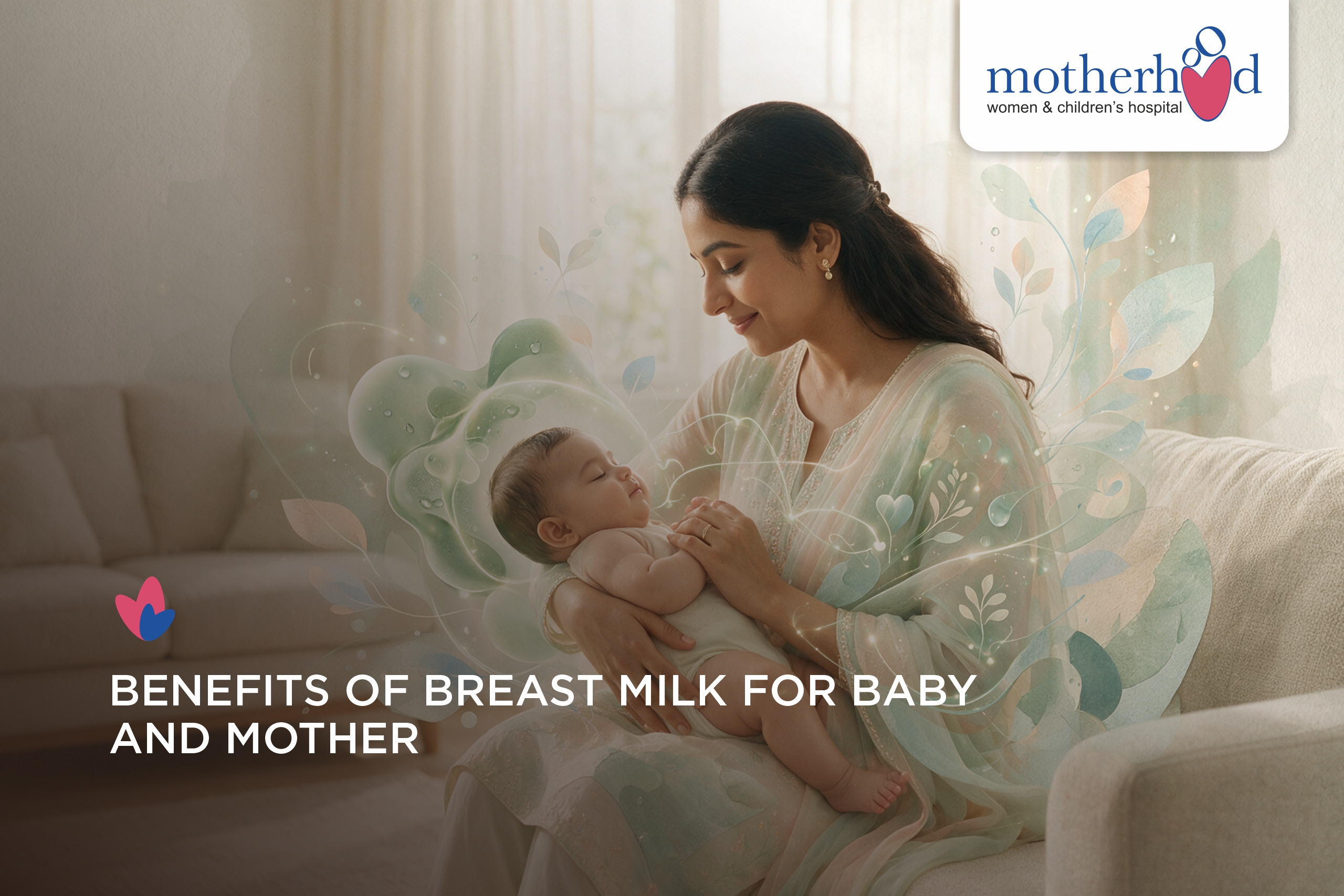
The benefits of breast milk extend well beyond providing calories and basic nutrition. Breast milk contains nutrients, antibodies and other biologically active components that support a baby’s growth and immune development. Breastfeeding can also provide important health benefits for mothers. At the same time, every family’s feeding journey is different, and mothers who face breastfeeding difficulties deserve practical support without guilt or judgement.
What Makes Breast Milk Nutritionally Unique? The Science Behind the Elixir
Breast milk is a dynamic biological fluid. Its composition changes according to the baby’s age, feeding stage and nutritional needs.
This ability to change over time is one of the important advantages of breast milk.
From Colostrum to Transitional and Mature Milk
Breast milk changes during the first days and weeks after childbirth.
Colostrum is the thick, yellowish milk produced in small quantities during the first few days after birth. It is rich in immune components and is well suited to the newborn’s small stomach.
Transitional milk follows colostrum and is generally produced during the first couple of weeks. The amount of milk increases while its composition gradually changes.
Mature breast milk develops thereafter and contains a combination of:
- Carbohydrates
- Proteins
- Fats
- Vitamins
- Minerals
- Water
- Immune components
- Enzymes
- Hormones and growth-related factors
The balance of some components can also change during an individual feed.
Immunoglobulins and Antibodies
One of the best-known benefits of breast milk is its contribution to immune protection.
Breast milk contains immunoglobulins, particularly secretory immunoglobulin A, along with other immune factors that help protect the surfaces of the baby’s gastrointestinal and respiratory systems.
These components do not make a baby immune to every infection, but they can help reduce the risk or severity of some common infections.
Live Cells, Enzymes and Other Bioactive Components
Breast milk also contains living cells, enzymes, oligosaccharides and other biologically active substances.
Human milk oligosaccharides, for example, help support beneficial gut bacteria and may reduce the ability of certain harmful microorganisms to attach to the intestinal lining.
This complex composition helps explain what breast milk is good for beyond basic nutrition alone.
Advantages of Breast Milk for Baby: From Immunity to Brain Development
The advantages of breast milk for baby include nutritional support, immune protection and potential longer-term health benefits.
Reduced Risk of Certain Infections
Breastfeeding is associated with a lower risk of several infections during infancy, including some:
- Gastrointestinal infections
- Respiratory infections
- Ear infections
Breast milk provides antibodies and other immune components that help the baby’s developing immune system respond to infectious exposures.
One of the important benefits of breast milk is therefore that it provides nutrition while also contributing to immune defence.
Do Breastfed Babies Get Sick Less?
Breastfed babies can still develop colds, fever, diarrhoea and other illnesses.
However, breastfeeding is associated with reduced rates of some gastrointestinal and respiratory infections, particularly when babies are exclusively breastfed during the early months.
The degree of protection varies between babies and depends on many other factors, including vaccination, hygiene, environmental exposure and underlying health.
Supports Brain Development
Breast milk provides fats and other nutrients needed for the rapidly developing brain and nervous system.
Long-chain fatty acids, including DHA, are among the nutrients involved in neurological development.
Some observational studies have found an association between breastfeeding and slightly better cognitive outcomes later in childhood. However, intelligence and learning are influenced by many factors, including genetics, home environment, nutrition, education and socioeconomic conditions.
Breastfeeding should therefore not be presented as something that guarantees a higher IQ.
Reduced Risk of Sudden Infant Death Syndrome
Breastfeeding is associated with a lower risk of sudden infant death syndrome, or SIDS.
Safe sleep practices remain essential regardless of how a baby is fed. Babies should be placed to sleep according to the safe sleep recommendations provided by their paediatrician.
Allergies and Eczema
Research into breastfeeding and allergy prevention is complex.
Breastfeeding may be associated with a reduced risk of certain allergic conditions in some children, but it does not guarantee that a baby will not develop eczema, food allergy or asthma.
Parents with a strong family history of allergy should discuss infant feeding and complementary feeding with their paediatrician.
Supports Healthy Growth
Breast milk provides energy and nutrients in proportions appropriate for most healthy infants during the first six months.
Regular monitoring of weight, length and head circumference helps determine whether an individual baby is growing appropriately.
The benefits of breast milk for baby are important, but breastfeeding adequacy should still be assessed when there are concerns about feeding or growth.
Breastmilk Benefits for Mothers: What No One Tells You
The breastmilk benefits for mother are sometimes overlooked because most breastfeeding discussions focus primarily on the baby.
Breastfeeding can influence postpartum recovery and is associated with several long-term maternal health benefits.
Supports Postpartum Uterine Recovery
Breastfeeding stimulates the release of oxytocin.
Oxytocin helps the uterus contract after childbirth, which supports the normal process of the uterus returning towards its pre-pregnancy size.
These contractions may be felt as mild cramps during feeds in the first days after delivery.
Breastfeeding and Postpartum Weight
Producing breast milk uses additional energy.
However, breastfeeding should not be promoted as a guaranteed way to lose pregnancy weight quickly. Postpartum weight changes vary greatly depending on diet, activity, sleep, metabolism, pregnancy weight gain and individual health.
New mothers need adequate calories and balanced nutrition to support recovery and milk production.
Lower Risk of Breast and Ovarian Cancer
Breastfeeding is associated with a reduced risk of breast cancer and ovarian cancer later in life.
The amount of risk reduction can vary with total duration of breastfeeding and other individual factors.
This is one of the important longer-term benefits of breastfeeding for mother and baby.
Oxytocin, Connection and Emotional Wellbeing
Oxytocin is involved in milk release and may contribute to feelings of relaxation during breastfeeding.
Feeding can also create opportunities for close physical contact, eye contact and responsive interaction between mother and baby.
However, bonding does not depend exclusively on breastfeeding. Mothers who bottle-feed expressed breast milk or formula can also build strong, secure relationships with their babies through responsive care and physical closeness.
Practical and Financial Benefits
Breast milk does not require purchasing formula for every feed and is usually immediately available when breastfeeding directly.
This can reduce feeding-related costs for some families.
At the same time, breastfeeding may involve other expenses, such as breast pumps, storage containers, nursing bras or lactation support. The practical experience differs from family to family.
Colostrum: The First Breast Milk and Why It’s Called Liquid Gold
Colostrum is the first breast milk produced around the time of birth.
It is often called “liquid gold” because of its yellowish appearance and concentrated nutritional and immune properties.
What Is Colostrum?
Colostrum is produced in relatively small quantities, which is appropriate for a newborn’s small stomach.
It contains:
- Antibodies
- Proteins
- Immune cells
- Vitamins
- Minerals
- Growth-related factors
Colostrum is particularly rich in protective immune components.
When Is Colostrum Produced?
The breasts can begin producing colostrum during pregnancy, and it remains the main form of milk during the first few days after childbirth.
Milk production then gradually transitions as the breasts begin producing larger volumes.
Why Is Colostrum Important for Newborns?
Colostrum helps provide early nutrition and immune support while the newborn adapts to life outside the womb.
For most healthy babies, small and frequent feeds during the first days are appropriate.
Parents should seek feeding support if the baby has difficulty latching, appears unusually sleepy, feeds poorly or shows signs of dehydration.
How Long Should You Breastfeed? WHO Recommendations Explained
WHO recommends starting breastfeeding within the first hour after birth whenever possible.
Exclusive Breastfeeding for the First 6 Months
Exclusive breastfeeding means that the baby receives breast milk without additional food or drink, including water, unless medicines, vitamins or other medically indicated substances are required.
For most infants, WHO recommends exclusive breastfeeding for the first six months.
Breast milk normally provides the water and nutrition a healthy young infant needs during this period.
Families who need additional breastfeeding support can learn more about breastfeeding care at Motherhood Hospitals.
Continued Breastfeeding With Complementary Foods
At around six months, babies need appropriate complementary foods in addition to breast milk because their nutritional requirements begin exceeding what breast milk alone can provide.
WHO recommends continued breastfeeding alongside appropriate complementary feeding up to two years of age or beyond, according to the preferences and circumstances of the mother and child.
How Often Should a Newborn Breastfeed?
Newborn babies typically feed frequently.
Many breastfed newborns feed around 8 to 12 times in 24 hours, particularly during the early weeks.
Feeding patterns can vary, and cluster feeding during certain periods can be normal.
Signs Your Baby May Be Getting Enough Milk
Signs that feeding is progressing well can include:
- Regular feeding
- Audible swallowing during feeds
- Appropriate wet diapers for age
- The baby appearing satisfied after many feeds
- Appropriate weight progression
Weight monitoring is especially important in the first days and weeks.
Seek medical advice promptly if your baby feeds poorly, becomes unusually sleepy, has very few wet diapers, develops fever, shows signs of dehydration or is not gaining weight appropriately.
Common Breastfeeding Challenges and How to Overcome Them
Breastfeeding is natural, but it is also a skill that both mother and baby may need time to learn.
Difficulty breastfeeding does not mean that the mother has failed or that she has done something wrong.
Concerns About Low Milk Supply
Milk production works partly on supply and demand. Frequent and effective milk removal usually signals the breasts to continue producing milk.
If milk supply appears low, first check whether the problem may involve:
- Ineffective latch
- Infrequent feeds
- Sleepy feeding
- Difficulty transferring milk
- Maternal illness
- Hormonal conditions
- Certain medicines
Simply drinking excessive amounts of fluids or eating one particular food does not reliably increase breast milk production.
Adequate nutrition, hydration, rest and effective feeding remain important.
Latch Problems
A good latch helps the baby transfer milk effectively and can reduce nipple trauma.
Signs of a possible latch problem include:
- Significant nipple pain throughout feeding
- Cracked or bleeding nipples
- Clicking sounds while feeding
- Repeated slipping off the breast
- Very prolonged feeds with poor weight gain
Early help from a trained lactation professional can often make breastfeeding more comfortable.
Engorgement
Breast engorgement occurs when the breasts become overly full, swollen and uncomfortable.
Frequent effective feeding often helps.
Cold packs between feeds and appropriate breastfeeding techniques may also provide relief.
Severe or persistent swelling should be assessed, particularly if the baby has difficulty attaching to the breast.
Mastitis
Mastitis can cause:
- A painful area of the breast
- Redness
- Swelling
- Fever
- Flu-like symptoms
Prompt assessment is important, especially if symptoms are severe or do not improve.
Breastfeeding can often continue during mastitis unless the treating doctor recommends otherwise.
Sore or Cracked Nipples
Some nipple sensitivity can occur when breastfeeding begins, but severe persistent pain or significant cracking should not simply be tolerated.
Possible causes include poor latch, incorrect positioning, infection or other breast and nipple conditions.
Correcting the underlying problem is more useful than relying only on creams.
Returning to Work and Expressing Breast Milk
Returning to work does not necessarily mean breastfeeding has to stop.
Mothers may express breast milk and store it safely for later feeds.
Storage recommendations depend on:
- Room temperature
- Refrigeration temperature
- Whether the milk has been previously frozen
- Cleanliness during expression
- The baby’s health status
Storage times should follow current guidance from the baby’s paediatrician, hospital or public health authority rather than older rules, as recommendations can change.
When to See a Lactation Consultant or Doctor
Seek professional support if:
- Breastfeeding is consistently painful
- The baby cannot latch effectively
- The baby is not gaining weight as expected
- Milk supply appears persistently low
- Nipples are badly damaged
- There are signs of mastitis
- The baby has very few wet diapers
- Feeding causes significant emotional distress
Early assistance can prevent a manageable feeding difficulty from becoming a larger problem.
FAQs
What are the main advantages of breast milk for babies?
The advantages of breast milk include complete early nutrition for most infants, antibodies and immune factors, support for healthy growth and a lower risk of some gastrointestinal, respiratory and ear infections.
What are the benefits of breastfeeding for the mother?
The breastmilk benefits for mother include support for postpartum uterine contraction and an association with reduced long-term risk of breast and ovarian cancers. Breastfeeding may also offer practical benefits for some families.
Do breastfed babies get sick less often?
Breastfed babies can still become ill, but breastfeeding is associated with a reduced risk of several gastrointestinal and respiratory infections. Vaccination, hygiene, nutrition and other health factors also influence how often a child becomes sick.
How long should you breastfeed your baby?
WHO recommends exclusive breastfeeding for about the first six months, followed by continued breastfeeding alongside appropriate complementary foods up to two years or beyond when mutually desired and feasible.
Is breast milk better than formula for brain development?
Breast milk contains nutrients involved in brain development, and some studies associate breastfeeding with modest cognitive benefits. However, brain development depends on many factors. Infant formula is an important alternative when breastfeeding is not possible, insufficient or not chosen.
Conclusion
The benefits of breast milk include much more than providing calories. Breast milk contains nutrients, antibodies, immune factors and biologically active substances that support infant growth and development.
The advantages of breast milk for baby include a reduced risk of some infections, appropriate early nutrition and immune support. Mothers may also experience benefits such as postpartum uterine recovery and a reduced long-term risk of breast and ovarian cancers.
WHO recommends breastfeeding initiation soon after birth when possible, exclusive breastfeeding for the first six months, and continued breastfeeding with complementary foods up to two years or beyond.
At the same time, every mother’s circumstances are different. Medical conditions, milk-supply difficulties, medications, premature birth, mental health concerns, work demands or personal circumstances can all influence infant feeding. The goal should always be a well-nourished baby and a supported mother, without shame or pressure around how feeding ultimately occurs.
If you have concerns about breastfeeding, milk supply, latching, nipple pain or whether your baby is receiving enough milk, you can seek breastfeeding and newborn-care support at Motherhood Hospitals. Call +91 96203-96203, write to writetous@motherhoodindia.com, or book an appointment for personalised guidance.