






Author: Dr Ekawali Gupta
Qualification: MBBS, MS Degree in OBG
Consultant Obstetrician and Gynaecologist, Motherhood Hospital, Mohali
If you are wondering how to improve baby skin color naturally during pregnancy, it is important to begin with one scientific fact: a baby’s natural skin colour is determined mainly by genetics and melanin, not by eating particular foods or following home remedies.
Good pregnancy nutrition, hydration, sleep and prenatal care can support healthy fetal growth and skin development, but they cannot make a baby fairer. This guide explains what actually influences your baby’s skin colour, which foods support healthy development, and which common pregnancy complexion myths you can safely ignore.
When Does Baby Skin Color Actually Develop During Pregnancy?
Your baby’s skin begins developing very early in pregnancy, while the cells responsible for pigmentation develop progressively as the fetus grows.
Skin colour is influenced mainly by melanin, a natural pigment produced by specialised cells called melanocytes. The genes inherited from both parents influence how much melanin is produced, how it is distributed and the baby’s eventual natural skin tone.
Role of Melanin and Genetics
Genetics plays the largest role in determining skin pigmentation.
A baby can inherit several genes involved in pigmentation from both sides of the family, which is why skin colour may resemble either parent, grandparents or other relatives rather than following a simple predictable pattern.
Pregnancy foods cannot alter these inherited genes.
Which Trimester Does Pigmentation Begin?
Melanocytes appear during early fetal development, and melanin production becomes detectable during the second trimester. Pigmentation continues developing throughout pregnancy and after birth.
A newborn’s skin colour may also look different during the first weeks and months of life as circulation, melanin production and skin maturation continue.
Therefore, asking when does baby skin color develop during pregnancy does not have one exact month in which the final complexion becomes fixed.
Fruits to Eat During Pregnancy for a Fair and Healthy Baby
Many women search for fruits to eat during pregnancy for fair baby, but no fruit can make an unborn baby fairer.
Fruits are valuable during pregnancy because they provide vitamins, minerals, fibre and antioxidants needed for maternal health and fetal development.
Rather than choosing fruits based on complexion claims, focus on variety.
Vitamin C-Rich Fruits
Vitamin C supports collagen formation, wound healing and normal tissue development. It also helps the body absorb iron from plant-based foods.
Good options include:
- oranges
- sweet lime
- guava
- kiwi
- strawberries
- amla
- papaya when ripe
- other seasonal fruits
Vitamin C contributes to healthy tissue and skin development, but it does not lighten the baby’s genetically determined complexion.
Antioxidant-Rich Fruits
Fruits such as berries, pomegranate, grapes and citrus fruits contain antioxidant compounds that form part of a nutritious pregnancy diet.
Whole fruits are generally preferable to sweetened juices because they provide fibre and usually result in a slower rise in blood glucose.
How These Nutrients Reach the Baby
Nutrients from the mother’s diet are absorbed into her bloodstream. The placenta then enables the exchange of oxygen and nutrients needed for fetal growth.
This process supports the baby’s overall development, including skin, organs, bones and nervous system.
It does not selectively change pigmentation.
The goal should therefore be healthy fetal development, not attempting to modify a baby’s natural skin tone.
Complete Diet Plan: What to Eat During Pregnancy to Have a Beautiful Baby
If you are wondering what to do during pregnancy to have a beautiful baby, the healthiest approach is to focus on growth, nourishment and wellbeing rather than complexion.
A balanced pregnancy diet should include foods from several groups.
Protein-Rich Foods
Protein supports the development of fetal tissues.
Suitable options may include:
- eggs
- pulses and dal
- beans
- dairy products
- paneer
- fish that is considered safe during pregnancy
- poultry
- nuts and seeds
Iron and Folate-Rich Foods for Healthy Development
Iron supports the increased blood supply needed during pregnancy, while folate is particularly important for early fetal development.
Sources include:
- green leafy vegetables
- beans and lentils
- fortified grains
- citrus fruits
- nuts
- seeds
Your obstetrician may also recommend iron and folic acid tablets during pregnancy according to your individual needs.
Supplements should be taken as prescribed rather than replaced entirely by food.
Healthy Fats
Healthy fats, including omega-3 fatty acids, support fetal brain and nervous-system development.
Sources can include:
- nuts
- seeds
- suitable vegetable oils
- certain fish
- other foods recommended by your healthcare provider
Vegetables and Whole Grains
Vegetables provide fibre, vitamins and minerals, while whole grains provide carbohydrates, fibre and energy.
Aim for variety rather than depending on one so-called pregnancy “superfood.”
Hydration and Its Role in Fetal Health
Adequate fluid intake helps support the increased blood volume and other physiological demands of pregnancy.
Water is generally the best choice.
Hydration supports maternal health, circulation and normal pregnancy physiology, but drinking excessive water will not make the baby’s skin lighter.
Does Saffron (Kesar) Really Affect Baby Skin Color? The Truth
Saffron, or kesar, is one of the most common foods associated with the belief that a mother can get a fair baby naturally during pregnancy.
There is no good scientific evidence that eating saffron changes an unborn baby’s skin colour.
Cultural Belief vs Scientific Evidence
Saffron has traditionally been added to milk and foods during pregnancy in many Indian households. This cultural practice is sometimes accompanied by claims that saffron will make the baby fair.
Skin pigmentation, however, is primarily determined by genes and melanin production.
Saffron cannot change the genetic traits your baby inherits.
The same applies to other foods commonly promoted for complexion, including:
- coconut
- almonds
- oranges
- milk
- ghee
- turmeric
These foods may contain useful nutrients and can be included when appropriate, but none can guarantee a particular skin tone.
Safe Ways to Use Saffron During Pregnancy
Culinary amounts of saffron may be consumed by many pregnant women as part of food, but large quantities or concentrated supplements should not be taken simply because they are described as natural.
Pregnancy supplements and herbal preparations can have biological effects.
If you regularly consume saffron or are considering a concentrated saffron product, discuss it with your obstetrician, particularly if you have a high-risk pregnancy or other medical condition.
Lifestyle Habits That Support Healthy Baby Skin Development
Lifestyle habits cannot determine your baby’s complexion, but they can support a healthier pregnancy and fetal development.
Protect Yourself From Excessive Sun Exposure
Pregnancy can increase the likelihood of pigmentation changes in the mother’s skin.
Use appropriate sun protection, seek shade when necessary and use pregnancy-appropriate sunscreen.
However, a mother’s sun exposure does not make the unborn baby’s complexion darker or lighter.
Manage Stress
Managing stress is valuable for maternal wellbeing during pregnancy.
Activities such as:
- gentle prenatal exercise
- breathing exercises
- meditation
- prenatal yoga when medically suitable
- hobbies
- adequate rest
- spending time with supportive family and friends
may help women cope with pregnancy-related stress.
Stress should not, however, be presented as something that directly determines the baby’s skin colour.
Prioritise Sleep
Adequate sleep supports physical and emotional wellbeing during pregnancy.
Sleep requirements differ, and many pregnant women experience changes in sleep quality as pregnancy progresses.
Try to maintain a consistent routine and discuss persistent insomnia, breathing problems or significant daytime fatigue with your doctor.
Avoid Harmful Substances
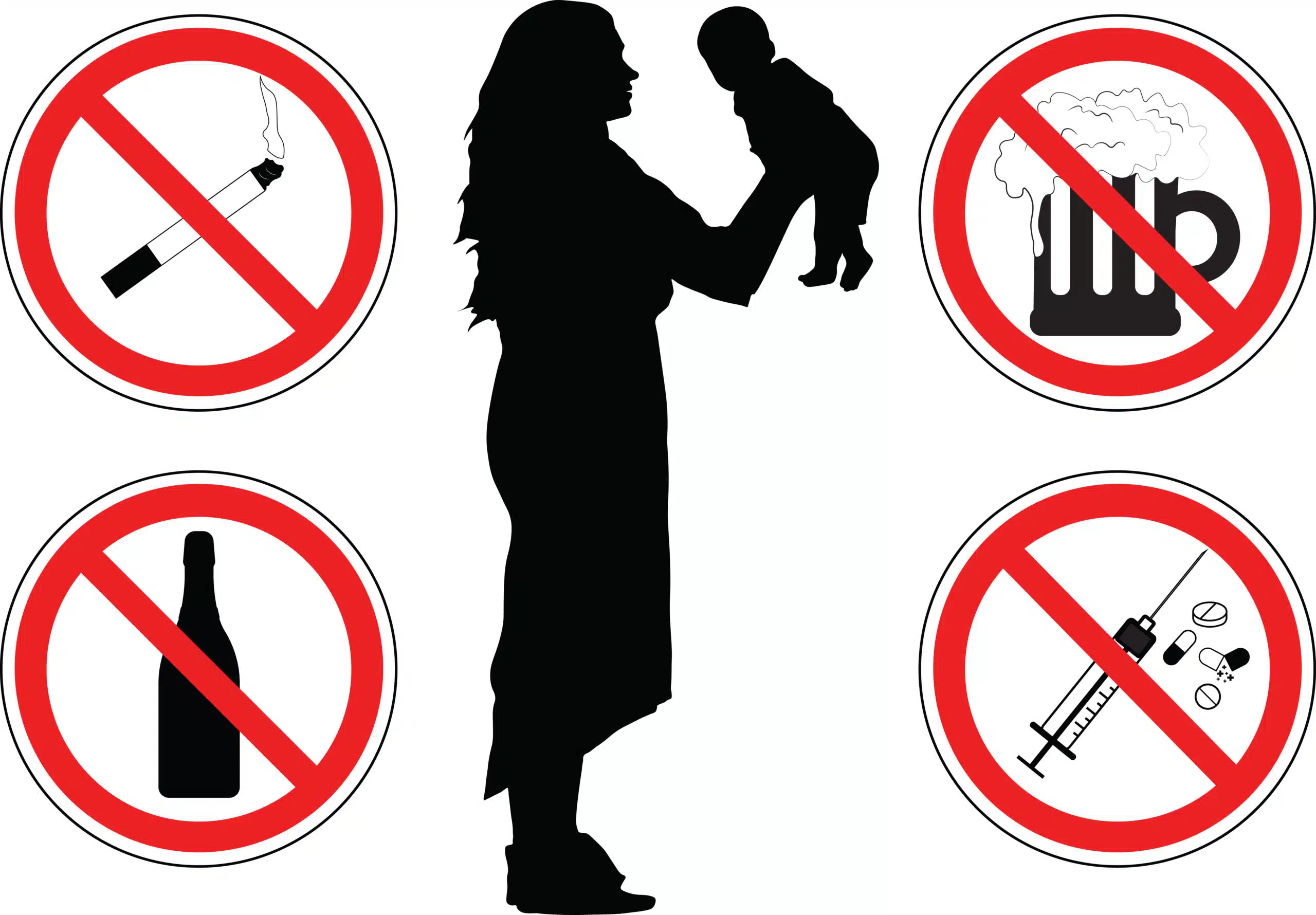
Smoking, alcohol and recreational drugs can adversely affect pregnancy and fetal development.
Avoiding these exposures is important for the baby’s overall health—not specifically for complexion.
Women should also discuss medicines, supplements and skincare products with their healthcare provider when unsure about pregnancy safety.
You can learn more about medical conditions and pregnancy complications that may require closer monitoring.
Attend Regular Prenatal Appointments
Regular prenatal care helps your obstetrician monitor:
- fetal growth
- maternal blood pressure
- weight changes
- nutritional status
- blood tests
- fetal development
- pregnancy-related complications
These appointments are far more important to the baby’s wellbeing than following complexion-related dietary myths.
How to Make Baby Skin Fair Naturally After Birth: Newborn Care Tips
Parents may also wonder how to make baby skin fair naturally after delivery.
Again, a baby’s natural skin tone should not be changed. The goal of newborn skincare is to protect the delicate skin barrier and keep the baby’s skin comfortable and healthy.
Baby Massage Oils and Skin Tone
Massage can be a relaxing part of baby care, but massage oils do not permanently lighten a baby’s skin.
Use only products that are appropriate for newborn skin. Stop using a product if it causes redness, irritation or a rash.
Avoid aggressive rubbing or traditional remedies intended to scrub away darker skin.
A newborn’s skin is delicate and can easily become irritated.
Avoid Harsh Soaps and Fairness Products
Use mild products intended for babies and avoid unnecessary fragrances or harsh cleansers.
Do not use bleaching products, fairness creams, strong herbal mixtures or adult cosmetic products on a baby’s skin.
A newborn’s complexion can naturally change during the first months as the skin matures.
When to See a Paediatrician
Consult a paediatrician if your baby develops:
- persistent rash
- severe dryness
- blistering
- swelling
- unusual pigmentation changes
- skin infection
- yellowing of the skin or eyes
- skin changes accompanied by fever or poor feeding
These conditions require assessment rather than cosmetic treatment.
Myths About Baby Skin Color During Pregnancy You Should Stop Believing
Pregnancy traditions can be meaningful, but complexion-related claims should be separated from medical fact.
Myth: Eating Saffron Makes the Baby Fair
Fact: Saffron does not alter the baby’s genetically determined skin colour.
Myth: Drinking Coconut Water Produces a Fair Baby
Fact: Coconut water can contribute fluids and nutrients but does not determine fetal complexion.
Myth: Eating White-Coloured Foods Makes the Baby Fair
Fact: The colour of food has no relationship with the amount of melanin your baby will produce.
Myth: Dark Foods Can Make the Baby Darker
Fact: Foods such as black grapes, dates or dark-coloured vegetables do not darken the baby’s skin.
Myth: Looking at Fair Babies or the Moon Changes Complexion
Fact: What a pregnant woman looks at has no biological effect on fetal pigmentation.
Rather than pursuing complexion-related remedies, focus on appropriate nutrition, prenatal care and healthy fetal growth.
Frequently Asked Questions
Will following a nutrient-rich diet during pregnancy help improve my baby’s complexion?
A well-balanced diet that includes fruits, vegetables, whole grains, lean proteins, and healthy fats provides essential nutrients for healthy fetal development. However, there is no evidence that a nutrient-rich diet can change a baby’s genetically determined skin colour.
How does hydration affect my baby’s skin complexion during pregnancy?
Proper hydration supports maternal circulation and the normal physiological demands of pregnancy. It is important for overall maternal and fetal health, but drinking more water does not make a baby’s skin lighter.
Can stress during pregnancy affect my baby’s complexion?
Managing stress is important for maternal wellbeing and a healthy pregnancy. However, stress should not be described as a factor that directly determines a baby’s skin colour.
Is excessive sun exposure harmful to my baby’s skin complexion?
Excessive sun exposure can damage the mother’s skin and contribute to pigmentation changes. Appropriate sun protection is recommended during pregnancy, but the mother’s sun exposure does not determine the baby’s complexion.
Do harmful substances affect my baby’s skin development and complexion during pregnancy?
Smoking, alcohol and recreational drugs can harm pregnancy and fetal development. Avoiding these substances supports the baby’s overall health, although this should not be framed as a way to change the baby’s complexion.
Can maintaining a healthy weight contribute to my baby’s complexion during pregnancy?
Maintaining healthy pregnancy weight gain according to your doctor’s advice supports maternal and fetal health. However, there is no evidence that maintaining a particular weight changes a baby’s skin colour.
In which month does baby skin color develop during pregnancy?
Pigment-producing cells develop early, with melanin production becoming more active during fetal development. However, there is no single month when a baby’s final complexion is fixed, and skin tone may continue changing after birth.
What fruits should I eat in pregnancy for a fair baby?
No fruit can make a baby fair. Choose fruits such as guava, oranges, berries, pomegranate, kiwi and other seasonal fruits for vitamins, fibre and antioxidants that support healthy pregnancy and fetal development.
Does eating saffron during pregnancy make baby fair?
No. There is no scientific evidence that saffron changes a baby’s complexion. Skin colour is primarily determined by genetics and melanin rather than the mother’s consumption of saffron or other specific foods.
Can I improve my baby’s complexion after birth?
You cannot safely or permanently change a baby’s natural skin colour. Gentle skincare, mild cleansers and suitable moisturisers can support healthy skin, but fairness creams, harsh scrubbing and bleaching products should be avoided.
Conclusion
There is no scientifically proven food, fruit, drink, supplement or lifestyle technique that can improve baby skin color naturally by making an unborn baby fairer.
A baby’s natural skin tone is influenced predominantly by genetics and melanin. What parents can influence during pregnancy is the environment that supports healthy fetal growth.
Focus on:
- balanced pregnancy nutrition
- prescribed folic acid, iron and other supplements
- adequate hydration
- avoiding smoking, alcohol and harmful substances
- appropriate physical activity
- good sleep and stress management
- regular prenatal check-ups
Every natural skin tone is healthy and normal. Pregnancy care should focus on supporting your baby’s growth, organ development and overall wellbeing rather than trying to influence complexion.
If you have questions about pregnancy nutrition, fetal development or prenatal care, you can consult an obstetrician at Motherhood Hospitals. Call +91 96203-96203, write to writetous@motherhoodindia.com, or book an appointment for personalised pregnancy guidance.
Women in Mohali can also consult Dr Ekawali Gupta at Motherhood Hospital, Mohali for obstetric and pregnancy-care support.