


Skip to content

Paediatric Intensive Care Unit (PICU)

When every second matters, children need specialised care that is fast, precise, and compassionate. The PICU full form refers to a dedicated unit designed to care for critically ill children who require constant monitoring and advanced medical support. Understanding the PICU meaning helps parents feel more confident during emergencies. At Motherhood Hospitals, our paediatric intensive care services focus on safety, recovery, and family-centred care for children in need of urgent medical attention.

What is PICU? Full Form, Meaning & What to Expect

PICU’s full form is Paediatric Intensive Care Unit, a specialised ward for critically ill children. The PICU, full form in medical, refers to a hospital unit equipped to provide continuous monitoring, life support, and expert paediatric care. The PICU refers to advanced treatment for infants and children who need close observation and immediate medical attention. In simple terms, PICU represents a critical care environment where trained specialists manage complex conditions, closely monitor vital functions, and support recovery with precision and care.

What is PICU in a Hospital?

Understanding what the PICU is in a hospital helps parents make informed decisions during emergencies. A PICU is a specialised department within a hospital that provides advanced paediatric critical care services, also known as a children’s ICU, for children who require continuous monitoring and life support. These units are designed for children, typically under 18 years, who are facing severe medical conditions. In a PICU, highly trained paediatric intensivists, nurses, and support staff work in close coordination to deliver round-the-clock care. The unit is equipped with advanced monitoring systems, ventilators, infusion pumps, and life support technologies that help stabilise and treat critically ill children. Conditions treated in a PICU include severe respiratory illnesses, infections, trauma, post-surgical recovery, and neurological emergencies. The focus is on rapid intervention, continuous monitoring, and personalised treatment to ensure the best possible outcomes for every child.

PICU vs. ICU vs. NICU: What’s the Difference?

Understanding the difference between NICU and PICU helps parents choose the right level of care for their child. While all intensive care units provide critical support, each unit is designed for a specific age group and medical condition.
Full Form Paediatric Intensive Care Unit Neonatal Intensive Care Unit
Age Group Infants to adolescents Newborns
Conditions Treated Severe illness, trauma, post-surgery Prematurity, birth complications
Equipment Advanced monitoring, ventilators Neonatal incubators
Specialists Paediatric intensivists Neonatologists
The difference between NICU and PICU becomes important during emergencies, as the type of care, equipment, and specialists vary based on the patient’s needs. Knowing where your child should be admitted ensures timely and appropriate treatment. It also helps parents feel more confident when discussing care options with doctors. A clear understanding can support faster decision-making during critical situations.

PICU Age Range – Who Can Be Admitted?

The PICU age range typically includes children from birth up to 16 to 18 years, depending on hospital protocols. Infants, children, and adolescents within this PICU age range receive age-appropriate critical care tailored to their developmental needs. In some cases, older adolescents may be transitioned to adult intensive care units based on their condition and treatment requirements. Admission decisions are based on the child’s medical condition and the level of monitoring required. Each case is carefully evaluated by specialists to ensure the child receives the most appropriate and timely care.

What are PICU admission criteria?

The PICU admission criteria define when a child requires intensive monitoring and advanced medical support. Understanding criteria helps in timely decision-making during emergencies.
  • Respiratory failure requires ventilator support for breathing.
  • Septic shock needs continuous monitoring and medication support.
  • Post-surgical care requires close observation after major procedures.
  • Neurological emergencies such as seizures or brain injury need specialised care.
  • Severe infections may lead to organ dysfunction and require intensive treatment.

What to Expect During Your Child’s Stay in the PICU?

Who Takes Care of Your Child in the PICU?

A dedicated team of paediatric intensivists, trained nurses, and support staff manage care inside the PICU ward. They ensure continuous monitoring, timely treatment, and emotional support for both the child and family. Specialists work closely together to respond quickly to any changes in the child’s condition and provide personalised care.

What Will My Child Experience in the PICU?

Inside the PICU ward, children receive round-the-clock monitoring using advanced equipment. Depending on the condition, they may receive oxygen support, medications, or assisted ventilation. The environment is designed to balance medical care with comfort and safety. Doctors regularly assess progress and adjust treatment plans as needed.

How Can Parents Support Themselves During a Child’s PICU Stay?

Parents play an important role in recovery. Staying informed, communicating with doctors, and being present can help both the child and family cope better during the stay. Seeking emotional support and following medical guidance can also reduce stress during this challenging time.

What Happens When Your Child Leaves the PICU?

Once the child stabilises, they are shifted to a general ward for continued recovery. The transition marks improvement and allows a gradual return to normal care routines. Follow-up care and monitoring continue to ensure the child recovers safely and steadily.

Why Choose Motherhood Hospital’s Paediatric Intensive Care Unit for Kids?

Motherhood Hospitals provides advanced paediatric critical care supported by modern infrastructure and experienced specialists. Our PICU services include continuous monitoring, advanced life support systems, and a child-friendly environment designed for comfort and safety. A dedicated team of paediatric intensivists, nurses, and support staff ensures round-the-clock care for critically ill children. With a strong focus on safety, expertise, and compassionate care, we ensure that every child receives timely treatment and the highest standard of medical attention during critical situations.

FAQ

What is PICU?

The PICU full form is Paediatric Intensive Care Unit. It is a specialised hospital unit where critically ill children receive continuous monitoring, advanced life support, and expert medical care. It also refers to the dedicated environment designed to manage complex health conditions in children safely.

What happens in a PICU?

In a PICU, children receive intensive medical care that includes continuous monitoring, life support systems, and specialised treatment. Doctors and nurses closely observe vital signs, provide medications, and use advanced equipment to stabilise the child. The goal is to ensure recovery through timely and precise medical intervention.

Is a PICU the same as a NICU?

No, a PICU is not the same as a NICU. NICU focuses on newborn babies, especially premature infants, while PICU is designed for infants, children, and adolescents who need critical care.

When does a child need PICU care?

A child may need PICU care in cases of severe illness, breathing difficulties, major infections, seizures, trauma, or after major surgery when continuous monitoring or life support is required.

What is pediatric emergency care?

Pediatric emergency care provides urgent medical evaluation and treatment for children with sudden illness, injury, breathing trouble, fever complications, seizures, or other emergency symptoms.

What symptoms need immediate pediatric emergency care?

Breathing difficulty, bluish lips, repeated seizures, severe drowsiness, uncontrolled fever, dehydration, serious injury, or rapidly worsening symptoms require immediate medical attention.

Can seizures in children need PICU admission?

Yes. Repeated or prolonged seizures may require emergency evaluation, stabilisation, and intensive monitoring in a PICU.

Can dengue complications require PICU care?

Yes. Severe dengue with bleeding, low blood pressure, dehydration, or shock may require PICU admission for close monitoring and treatment.

Is PICU care available for infants?

Yes. PICU care supports infants, children, and adolescents who need intensive monitoring and specialised care.

Can children need PICU after surgery?

Yes. Some children require PICU monitoring after surgery for breathing support, pain management, or complication observation.

What is pediatric critical care?

Pediatric critical care focuses on treating children with life-threatening conditions that require intensive monitoring and specialised treatment.

What should parents expect during PICU care?

Parents can expect continuous monitoring, regular updates from doctors, and specialised treatment tailored to the child’s condition.

Does Motherhood Hospital offer PICU care in Noida?

Yes. Motherhood Hospital provides pediatric intensive care support in Noida for children requiring emergency care and close monitoring.

PICU Hospitals in India - Our Locations

Banashankari, Bangalore
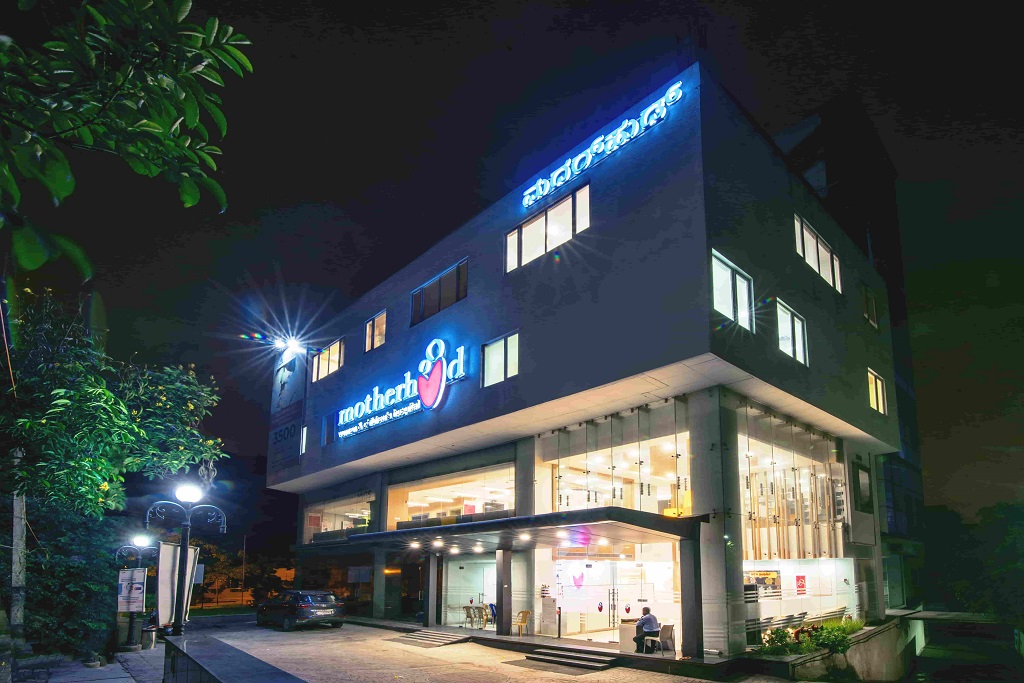
Motherhood Hospital, Banashankari provides 24/7 paediatric emergency services, a Level III NICU, and a dedicated Pediatric Intensive Care Unit (PICU) for children who need advanced support and close monitoring. 

Sarjapur, Bangalore

Motherhood Children’s Hospital, Sarjapur offers 24/7 paediatric emergency services, round-the-clock pharmacy and laboratory support, and specialist-led children’s care in a trusted hospital setting.  

Noida, NCR

Motherhood Hospital, Noida provides pediatric intensive care (PICU), 24/7 pediatric emergency services, advanced monitoring for critically ill children, and specialist-led pediatric critical care support in a child-friendly environment.

HRBR Layout, Bangalore

Motherhood Hospital HRBR-Layout, Bangalore

Motherhood Children’s Hospital, HRBR Layout offers 24/7 emergency services, a Level III NICU, and specialist-led pediatric care supported by round-the-clock pharmacy and laboratory services.