





When Is Fever a Cause for Concern in Children?
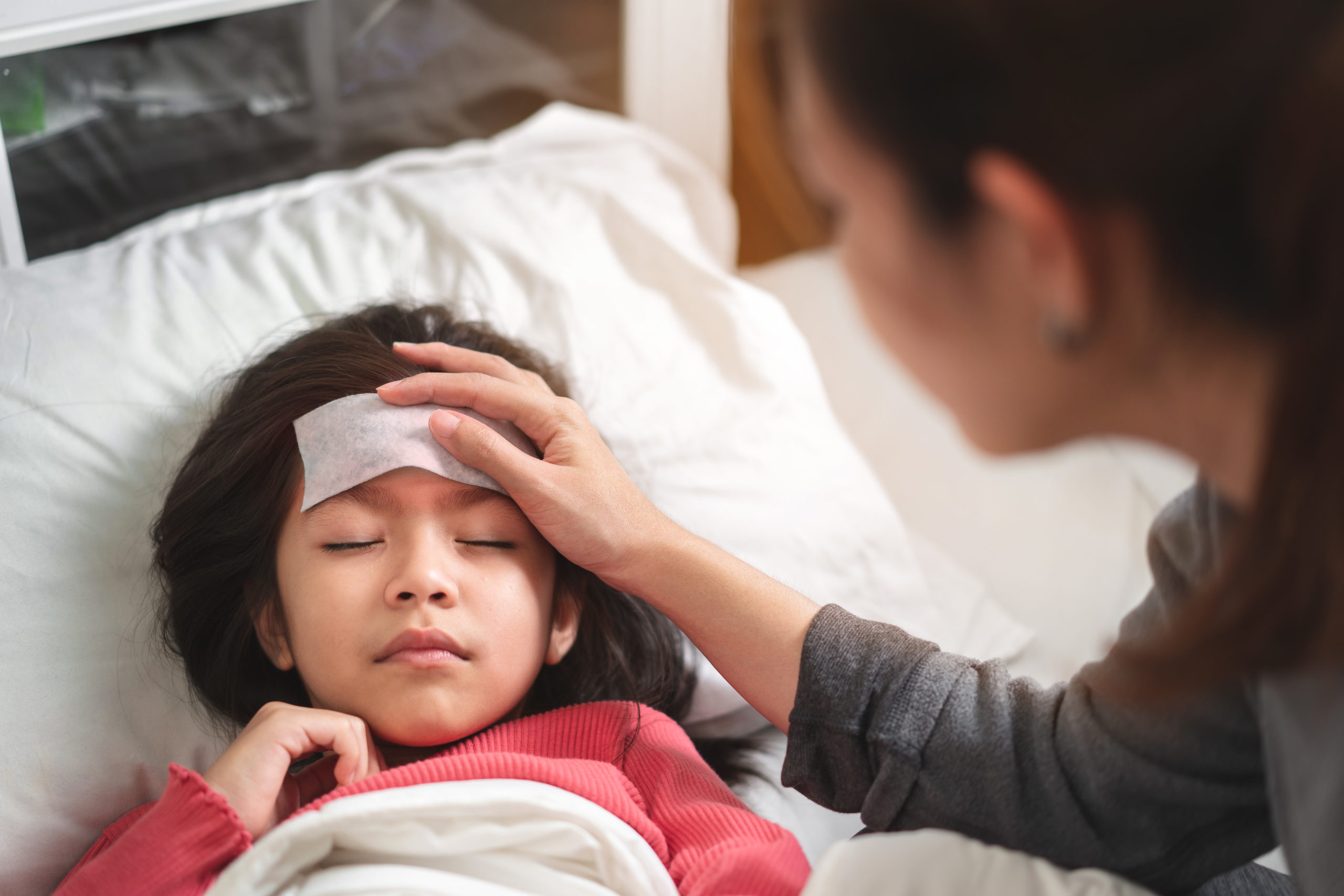
Fever is a common occurrence in childhood, and while it often signals that the body is fighting an infection, it can also be a source of anxiety for parents. Knowing when a high fever needs medical intervention is crucial to ensuring your child’s safety and well-being. This guide will help you understand fever temperature guidelines, the possible causes of fever, and how to assess the situation accurately.
Understanding Fever in Children
A fever is the body’s natural response to infection and can be triggered by viruses, bacteria, or other health conditions. Monitoring body temperature in infants and young children is essential as they are more vulnerable to infections.
What Is Considered a Fever?
According to paediatric guidelines, a temperature of:
- 38°C (100.4°F) or higher in infants less than three months
- 39°C (102.2°F) or higher in older infants and children
is considered a high fever. Regular monitoring using a reliable thermometer can help track changes and decide the next steps.
Common Causes of Fever in Children
Fever can result from various conditions. Some of the most common childhood fever causes include:
- Viral Infections: Flu, common cold, or other viral illnesses.
- Bacterial Infections: Such as ear infections, pneumonia, or urinary tract infections.
- Immunisation Reactions: Mild fevers after vaccines are common.
- Teething: Though mild, it can sometimes cause a slight increase in temperature.
- Heat Exhaustion: Overheating can also raise body temperature.
Understanding the causes of fever helps in managing symptoms and deciding when to seek medical care.
When to Worry About a High Fever in Children
Not every fever requires urgent medical attention, but some signs indicate the need for a consultation with the best children’s doctor or a visit to the pediatric hospital.
Infants Under Three Months
In infants, even a slight fever can indicate a serious infection. Seek immediate medical help if:
- The temperature is 38°C (100.4°F) or higher.
- The baby appears lethargic, irritable, or has difficulty feeding.
- There are signs of rash, vomiting, or difficulty breathing.
Toddlers and Older Children
For children older than three months, visit the pediatric intensive care unit or consult a paediatrician if:
- The fever is 39°C (102.2°F) or higher.
- The child has a persistent headache, neck stiffness, or a seizure.
- There is continuous vomiting, diarrhoea, or dehydration.
- The fever lasts more than three days.
- The child exhibits unusual drowsiness or unresponsiveness.
Managing Fever at Home
For mild fevers, home care can provide comfort and relief. Here are some steps to manage fever at home:
- Keep Them Hydrated: Offer fluids frequently to prevent dehydration.
- Rest: Encourage quiet activities and ensure adequate sleep.
- Light Clothing: Avoid heavy blankets or layers.
- Medication: Use over-the-counter medicine for infants fever as recommended by your healthcare provider. Paracetamol and ibuprofen are commonly used, but always follow dosage guidelines.
Role of Nutrition in Recovery
Supporting a feverish child’s recovery requires proper pediatric nutrition. Nutrient-rich fluids such as soups, fruit juices, and oral rehydration solutions can help maintain energy and hydration.
When Fever Is Recurrent
If your child frequently experiences high fevers, it may indicate an underlying issue. Consulting the best children’s doctor can help identify potential problems, including autoimmune disorders or chronic infections.
Fever and Child Development
Persistent or untreated fevers can impact child development, especially in infants. Regular check-ups at a reputable pediatric hospital like Motherhood Hospital ensure timely diagnosis and treatment.
Fever in Infants: Special Considerations
Fevers in infants require careful attention. Any high fever infants experience should prompt a consultation. Delayed medical care can affect infants’ development, especially if the cause involves bacterial infections.
Seeking Professional Help
If your child’s fever persists despite home treatment, visiting a pediatric intensive care unit can ensure comprehensive care. Facilities like Motherhood Hospital offer advanced care, including infection management and paediatric monitoring.
Final Thoughts
Understanding when a fever is serious is essential for every parent. While most fevers are manageable, knowing when to consult the best children’s doctor or visit a pediatric hospital can make a critical difference. Always keep a thermometer handy and monitor your child’s symptoms closely.
Sources
- https://www.pennmedicine.org/for-patients-and-visitors/patient-information/conditions-treated-a-to-z/fever
- https://www.mayoclinic.org/healthy-lifestyle/infant-and-toddler-health/in-depth/thermometer/art-20047410
- https://health.choc.org/guide/fevers/
- https://kidshealth.org/en/parents/fever.html
- https://www.merckmanuals.com/home/children-s-health-issues/symptoms-in-infants-and-children/fever-in-infants-and-children
- https://www.healthline.com/health/childrens-health/when-is-a-fever-too-high-for-a-child