






After delivery, new mothers in India often receive a flood of advice from family, friends and well-wishers. Some of it is helpful, while some comes from long-standing customs that may not have a medical basis. This is where understanding postpartum care myths and facts becomes important.
Whether you have had a vaginal delivery or a C-section, recovery takes time. At Motherhood Hospitals, postnatal care focuses on physical healing, nutrition, breastfeeding support, emotional wellbeing and recognising warning signs early.
This blog separates common postpartum care myths from practical, evidence-based guidance for recovery after childbirth.
Common Postpartum Care Myths Debunked
Myth: You Must Avoid “Hot” or “Cold” Foods After Delivery
Fact: Foods do not need to be avoided simply because they are traditionally classified as “hot” or “cold.”
For example, there is no medical need to avoid foods such as eggplant because it is considered “hot” or okra because it is considered “cold.” After childbirth, your body needs adequate nutrition to recover, support healing and, if you are breastfeeding, support your increased nutritional needs.
A balanced diet with protein, whole grains, vegetables, fruits, healthy fats, iron-rich foods and adequate fluids is generally more useful than unnecessarily restrictive eating.
Myth: You Must Avoid Bathing for 40 Days After Delivery
Fact: Good hygiene is an important part of postnatal recovery.
There is no medical requirement for every mother to avoid bathing for 40 days. Gentle bathing or showering is generally appropriate after delivery once your healthcare team says it is safe.
If you have stitches, an episiotomy or a C-section wound, follow the specific wound-care advice given by your doctor. Keeping the area clean and dry can help reduce the risk of infection.
Traditional postpartum rest practices, sometimes described as the 40-day or jaappa period, may provide useful opportunities for rest and family support, but medical care should not be replaced by rigid restrictions.
Myth: C-Section Mothers Cannot Exercise or Lift Anything
Fact: Recovery after a C-section should be gradual rather than completely inactive.
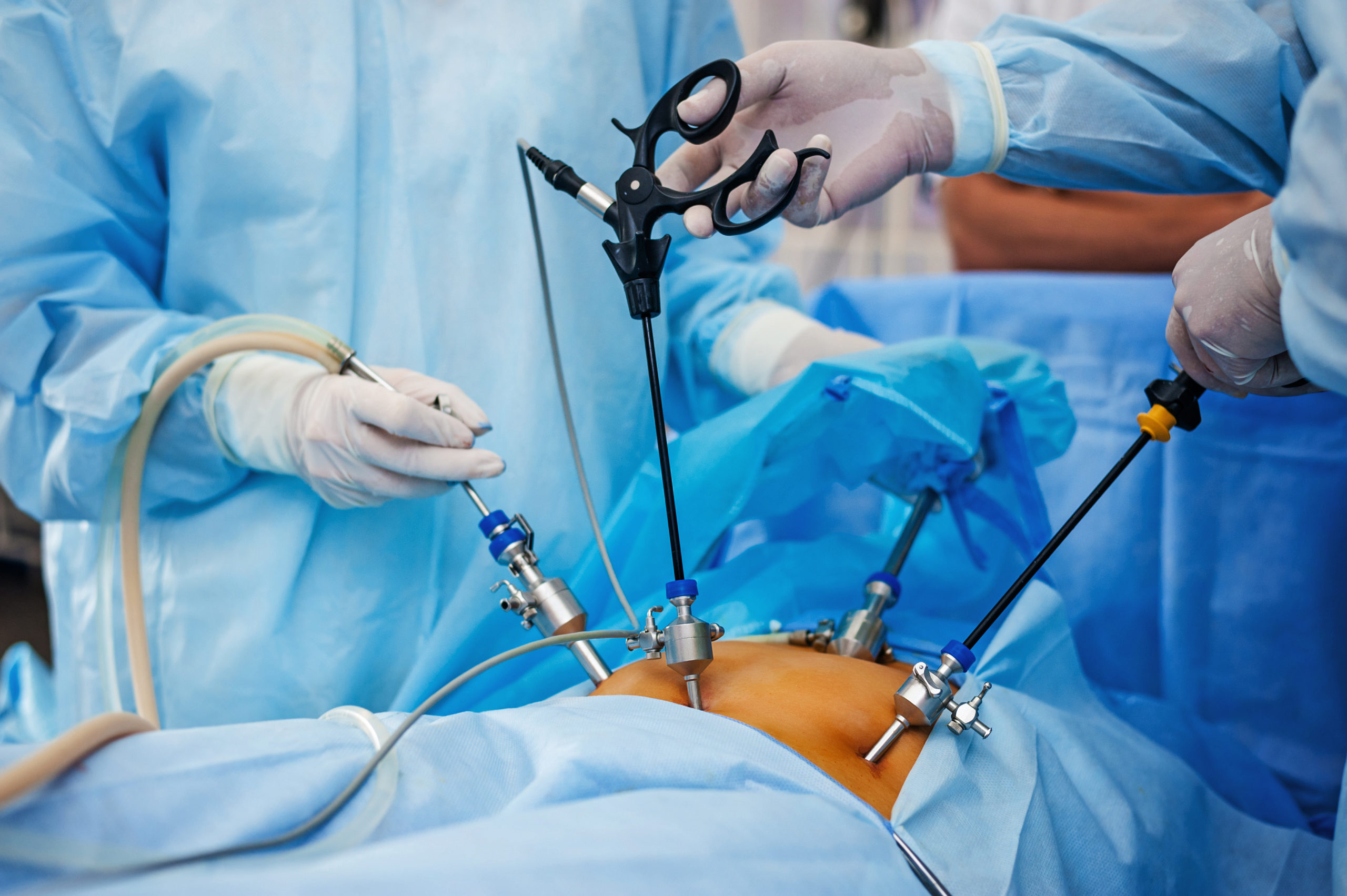
In the early days, gentle movement such as short walks is often encouraged because prolonged immobility can increase the risk of complications. However, strenuous exercise and heavy lifting should be avoided until your doctor confirms that healing is progressing well.
The earlier advice that every woman can simply resume heavy lifting at six weeks is too broad. Recovery varies between individuals.
For more detailed guidance, read C-section recovery tips for new mothers.
Myth: Eating Paan Is Necessary for Calcium After Delivery
Fact: Betel leaf or paan should not be relied upon as a source of calcium.
Calcium can be obtained from foods such as milk, curd, paneer, ragi, sesame seeds and other appropriate dietary sources.
If your doctor recommends a calcium supplement after delivery, take it according to medical advice rather than depending on traditional foods to meet a specific nutritional requirement.
Myth: Eating Ghee Will Make Your Joints Strong Again
Fact: Ghee can be part of a balanced diet, but it does not directly restore joint strength after pregnancy.
Pregnancy involves hormonal changes, including the effects of relaxin, which influences ligaments and joints. These changes gradually settle after childbirth.
Moderate amounts of ghee may provide energy and fat as part of the diet, but consuming large quantities will not speed joint recovery.
Myth: Ajwain Water Is Compulsory After Delivery
Fact: You do not have to drink ajwain water if you dislike it.
Ajwain is traditionally used in many Indian households after childbirth, but postpartum hydration does not depend on one particular drink.
Water, milk, soups and other suitable fluids can all contribute to hydration. What matters most is maintaining adequate fluid intake, particularly while breastfeeding.
Myth: Breastfeeding Mothers Should Follow a Very Restricted Diet
Fact: Most breastfeeding mothers do not need to avoid large groups of foods without a specific reason.
A varied diet is usually preferable. If a particular food appears to be associated with a consistent problem in your baby, discuss it with your paediatrician rather than starting a broad elimination diet on your own.
You can read more about foods to avoid while breastfeeding.
Post Delivery Care Tips: What New Mothers Actually Need
Good postpartum care is not about following every household rule. It is about giving the body time, nutrition and appropriate medical support to recover.
Here are some practical post delivery care tips:
- Rest whenever possible. Newborn feeding and sleep patterns can be exhausting, so accept help and prioritise recovery.
- Eat a balanced diet. Include protein, whole grains, fruits, vegetables, iron-rich foods and calcium-containing foods.
- Stay adequately hydrated. Breastfeeding mothers in particular may feel thirstier and should drink according to thirst.
- Move gently. Short walks and gradual activity may support circulation and recovery when medically appropriate.
- Take care of wounds. Keep a C-section incision, episiotomy or perineal wound clean and follow discharge instructions.
- Manage constipation early. Fluids, fibre-rich foods and gentle movement can help. Speak with your doctor if constipation is persistent or painful.
- Pay attention to vaginal bleeding. Post-delivery bleeding, called lochia, changes over time, but very heavy bleeding requires urgent assessment.
- Begin pelvic floor recovery gradually. Pelvic floor exercises may be appropriate for many women, but timing and technique should be individualised.
- Ask for breastfeeding support if needed. Problems with latch, pain or milk supply can often be addressed more effectively with early guidance.
- Look after your emotional health. Persistent sadness, anxiety or difficulty coping should never be dismissed as something every new mother simply has to endure.
For a broader recovery checklist, see postpartum dos and don’ts.
You can also read postnatal care during the first 6 weeks for more detail on early recovery.
C-Section vs Normal Delivery Recovery: Key Differences
Recovery is different after every birth, but vaginal delivery and C-section recovery involve some different considerations.
| Recovery Area | Vaginal Delivery | C-Section |
|---|---|---|
| Wound care | Perineal soreness, tears or episiotomy may need care | Abdominal incision requires regular wound monitoring |
| Early movement | Gentle movement is usually encouraged as tolerated | Gentle walking is commonly encouraged, but movement may initially be slower |
| Pain | Perineal discomfort and uterine cramping may occur | Incision pain and abdominal discomfort are common |
| Lifting | Activity can gradually increase based on comfort and medical advice | Heavy lifting is generally restricted during early recovery |
| Driving | Depends on comfort, mobility and ability to react safely | Often requires a longer wait because of wound healing, pain and mobility |
| Exercise | Gradual return based on recovery | More structured progression may be needed after abdominal surgery |
A C-section is major abdominal surgery, so recovery can take longer and should be guided by your obstetrician.
After either type of delivery, avoid comparing your recovery timeline with someone else’s. Your labour, delivery, stitches, blood loss, medical history and overall health can all affect recovery.
Understanding the Postpartum Recovery Timeline
The postpartum recovery timeline varies from one mother to another.
First Few Days After Delivery
In the first few days, you may experience:
- vaginal bleeding or lochia
- uterine cramping
- breast fullness as milk production changes
- perineal discomfort after vaginal delivery
- incision discomfort after a C-section
- fatigue and sleep disruption
- emotional changes
Your uterus also begins a process called uterine involution, gradually returning towards its pre-pregnancy size.
First 6 Weeks
During the first six weeks, many mothers notice gradual improvement in bleeding, pain and mobility.
However, six weeks is not a fixed point at which every woman is completely recovered. Some aspects of recovery can take longer, particularly after a complicated delivery, significant tear, C-section or difficult postpartum period.
Beyond 6 Weeks
Strength, pelvic floor function, abdominal muscle recovery, sleep and emotional wellbeing may continue improving over several months.
Postpartum hair loss can also appear a few months after childbirth. This is commonly linked to normal hormonal changes after pregnancy and often improves gradually.
Postpartum Nutrition: What to Eat After Delivery
Postpartum nutrition should support healing, energy and breastfeeding where applicable.
Useful foods can include:
- dal, pulses and beans for protein
- eggs, fish or lean meat according to dietary preference
- milk, curd and paneer for protein and calcium
- ragi as a calcium-containing whole grain
- green leafy vegetables and other iron-rich foods
- fruits and vegetables for fibre and micronutrients
- nuts and seeds in appropriate portions
- whole grains for energy and fibre
Traditional preparations such as methi ladoo, panjiri or foods containing ghee may be included if you enjoy them, but portion size matters. Traditional foods should complement a balanced diet rather than replace it.
There is also no need to force yourself to consume a particular food because someone says it is essential for recovery.
If you are breastfeeding, adequate food intake is important, but there is no universal Indian breastfeeding diet after delivery that every mother must follow.
Pelvic Floor and Abdominal Recovery After Delivery
Pregnancy and childbirth can affect the pelvic floor and abdominal muscles.
Gentle pelvic floor exercises may help some women regain strength and control. However, technique matters, and women with pain, pelvic pressure, urinary leakage or significant birth trauma may benefit from assessment before progressing exercises.
Postpartum abdominal exercises should also be introduced gradually.
If you have had a C-section, severe abdominal muscle separation, persistent pelvic pain or other complications, avoid rushing into intense abdominal workouts.
The physiotherapy and pregnancy care services available through Motherhood Hospitals Pregnancy Care can support women who need individualised guidance during postnatal recovery.
Postpartum Mental Health: Baby Blues vs Postpartum Depression
Emotional recovery is as important as physical recovery.
Many new mothers experience temporary mood changes called the baby blues. These can include tearfulness, irritability, feeling overwhelmed and emotional sensitivity during the early days after childbirth.
These symptoms generally improve within a couple of weeks.
Postpartum depression, however, is more persistent and can affect a mother’s ability to function, sleep, eat, care for herself or feel connected to her baby.
Possible signs include:
- persistent sadness or hopelessness
- severe anxiety
- frequent crying
- loss of interest or pleasure
- feelings of worthlessness or guilt
- difficulty bonding with the baby
- severe sleep disturbance beyond normal newborn-related sleep loss
- thoughts of self-harm or harming the baby
Postpartum depression is a health condition, not a sign that someone is a bad mother.
If these symptoms persist or interfere with daily life, speak with a healthcare professional promptly. If there are thoughts of self-harm or harming the baby, seek urgent medical help.
Postpartum mental health support should be considered part of routine postnatal care at Motherhood Hospitals, alongside physical recovery, feeding and newborn care.
When to Call Your Doctor After Delivery
Some discomfort, tiredness and bleeding are expected during postpartum recovery, but certain symptoms need prompt medical assessment.
Contact your doctor or seek urgent medical care if you experience:
- very heavy vaginal bleeding, especially if rapidly soaking pads
- large clots together with heavy or increasing bleeding
- fever of 38°C or above
- increasing redness, swelling, discharge or severe pain around a C-section or perineal wound
- severe or worsening abdominal or pelvic pain
- foul-smelling vaginal discharge
- severe headache, vision changes or unusually high blood pressure readings
- chest pain or difficulty breathing
- pain, swelling or redness in one leg
- dizziness, fainting or marked weakness
- inability to pass urine
- persistent severe sadness, anxiety or inability to cope
- thoughts of harming yourself or your baby
When in doubt, contact your healthcare team.
Motherhood Hospitals provides pregnancy and postnatal services through its Pregnancy Care department, which includes postnatal care as part of maternity support.
FAQs
How Long Does Postpartum Recovery Take?
The initial postpartum period is often described as the first six weeks after childbirth, but complete recovery can take longer. Vaginal delivery, C-section, birth injuries, sleep, nutrition and individual health all influence the timeline. Recovery should be gradual rather than measured against one fixed deadline.
Is It Safe to Eat Ghee and Dry Fruits After Delivery?
Yes, ghee and dry fruits can generally be included as part of a balanced diet in appropriate portions. They provide energy and nutrients, but large amounts are not required for recovery. No single traditional food can replace a varied diet containing protein, fibre, vitamins and minerals.
What Is the 40-Day Postpartum Rest Rule in India?
The 40-day rest period is a traditional postpartum practice in many Indian families. Rest, nutrition and family support can be beneficial, but strict restrictions such as avoiding bathing, movement or nutritious foods are not medically necessary for every mother. Recovery advice should be based on individual health and delivery type.
When Can I Start Exercising After Delivery?
Gentle walking and some pelvic floor activity may be appropriate relatively early for many women, but exercise should progress gradually. The right timing depends on whether you had a vaginal birth or C-section, complications, pain and wound healing. Ask your doctor before restarting strenuous exercise.
Conclusion
Postpartum recovery is a period of healing, adjustment and learning. New mothers often receive well-intentioned advice, but not every tradition or household rule is medically necessary.
Understanding postpartum care myths and facts can help you focus on what really matters: rest, nutritious food, hydration, gentle movement, wound care, breastfeeding support, mental wellbeing and recognising warning signs.
Whether you have had a vaginal delivery or C-section, your recovery should be individualised rather than rushed.
For personalised postnatal guidance, you can speak with the maternity care team at Motherhood Hospitals by calling +91 96203-96203, writing to writetous@motherhoodindia.com, or booking an appointment.