





The first trimester is an important period of fetal development, making the right pregnancy precautions in first 3 months especially important. Early pregnancy care includes knowing which foods, medicines and activities require caution while also focusing on prenatal vitamins, hydration, safe exercise and regular antenatal check-ups.
Most women can continue many normal daily activities during early pregnancy. The goal is not to become overly restrictive, but to avoid preventable risks and seek medical advice when warning signs appear.
Week-by-Week: What’s Happening in Your First Trimester That Makes Precautions Vital
The first trimester of pregnancy includes rapid changes in both the mother’s body and the developing embryo and fetus.
Weeks 1–4: Implantation and Very Early Development
Pregnancy is medically dated from the first day of the last menstrual period, so conception usually occurs around two weeks into this timeline.
During the early weeks after fertilisation, the developing embryo travels towards the uterus, implants in the uterine lining and begins forming structures that will later develop into organs and body systems.
This is also when many women first discover that they are pregnant.
Weeks 5–8: Major Organ Development
During these weeks, the brain, spinal cord, heart and other major organ systems begin developing rapidly.
The neural tube, which later forms the brain and spinal cord, develops very early. This is one reason folic acid is particularly important before conception and in early pregnancy.
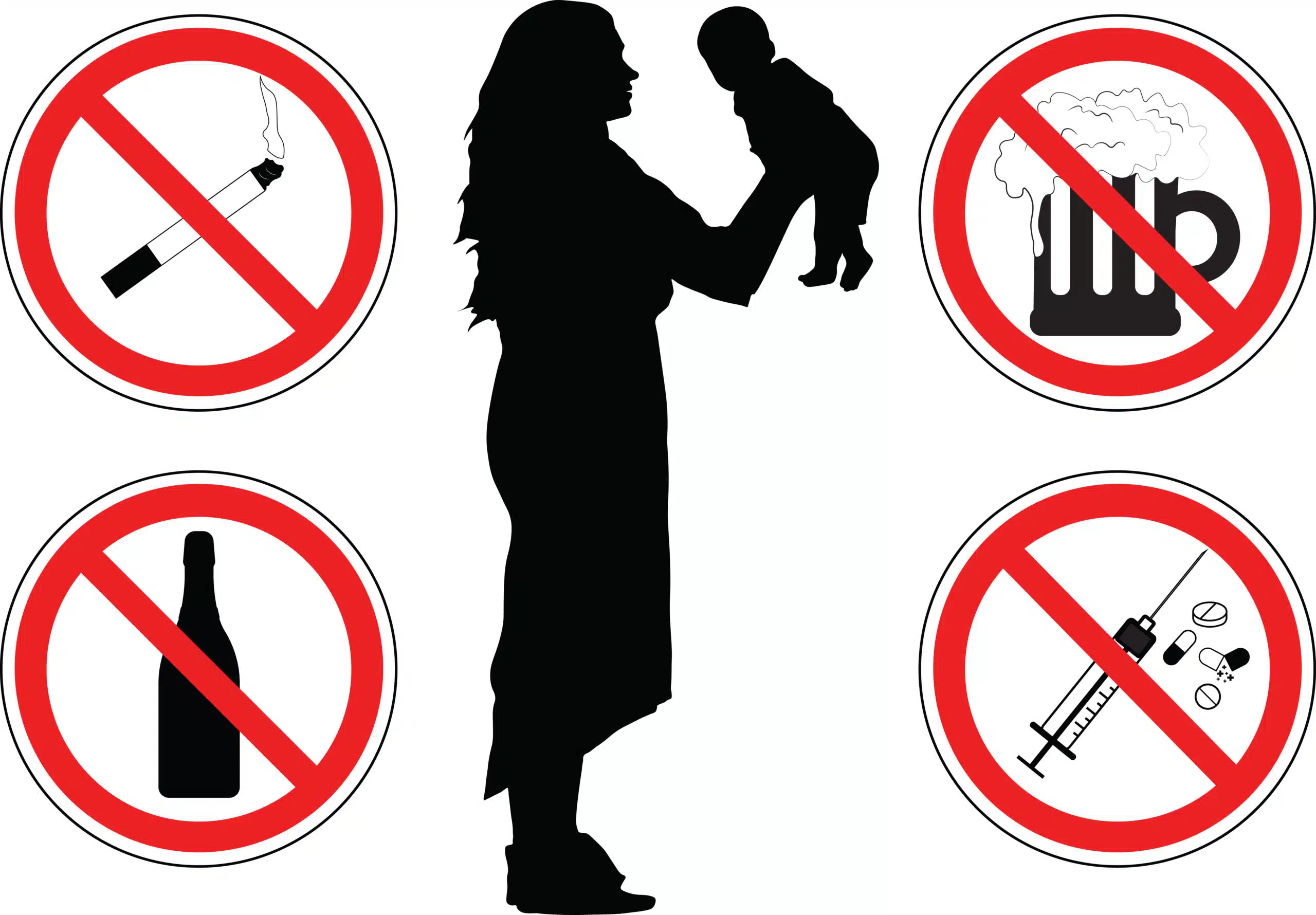
Avoiding alcohol, smoking, harmful drugs and unsafe medications is also especially important during this stage.
Weeks 9–12: Continued Growth and Development
By this stage, many major body structures have formed and continue to mature.
The fetus grows rapidly, while the placenta continues developing to support oxygen and nutrient exchange.
Morning sickness, fatigue, breast tenderness, frequent urination and food aversions are also common during this period.
Regular pregnancy care helps monitor both maternal health and fetal development throughout the trimester.
Pregnancy Do’s and Don’ts: The Non-Negotiable List for Trimester 1
The following pregnancy do’s and don’ts provide a practical starting point for early pregnancy.
| Do | Don’t | Use Individual Guidance For |
| Take prescribed prenatal vitamins | Smoke or use recreational drugs | Exercise intensity |
| Take folic acid as advised | Drink alcohol | Travel |
| Drink adequate fluids | Eat unsafe raw or undercooked foods | Sexual activity when complications exist |
| Eat a balanced diet | Take medicines without medical advice | Caffeine intake |
| Attend antenatal appointments | Use unverified herbal supplements | Work involving chemicals or physical strain |
| Stay physically active when medically suitable | Use hot tubs or saunas that significantly raise body temperature | Previous medical or obstetric conditions |
Do: Take Prenatal Vitamins
Prenatal vitamins help meet nutritional requirements that may be difficult to obtain from food alone.
Folic acid is particularly important during the early weeks because it helps reduce the risk of neural tube defects.
Your doctor may also recommend iron, calcium, vitamin D or other supplements according to your diet, blood tests and medical history.
Do not assume that taking more vitamins is better. Some nutrients can be harmful in excessive amounts.
Do: Stay Hydrated
Fluid requirements increase during pregnancy.
Water supports circulation, digestion and normal physiological changes during pregnancy. If morning sickness makes drinking difficult, small frequent sips may be easier to tolerate.
Severe vomiting or an inability to keep fluids down should be discussed with your doctor.
Do: Stay Active
For most uncomplicated pregnancies, regular moderate physical activity is beneficial.
Walking, prenatal yoga and other pregnancy-appropriate exercises may help maintain fitness, mood and general wellbeing.
Women with pregnancy complications or significant medical conditions should follow individual exercise advice from their obstetrician.
Foods to Avoid in Early Pregnancy (and Safer Alternatives)
Food safety is one of the most important things to avoid in early pregnancy because certain infections and contaminants can be more serious during pregnancy.
Raw or Undercooked Meat and Eggs
Avoid raw or inadequately cooked meat because it may expose you to infections such as toxoplasmosis or other food-borne illnesses.
Eggs should be properly cooked when food-safety standards for raw or lightly cooked eggs are uncertain.
Safer alternatives: well-cooked meat, poultry and eggs prepared using good food-hygiene practices.
High-Mercury Fish
The existing advice to avoid seafood altogether is unnecessarily restrictive.
Fish can provide useful protein and omega-3 fatty acids during pregnancy. The concern is mainly with varieties that contain higher mercury levels.
Avoid high-mercury fish such as shark, swordfish and similar large predatory fish. Choose lower-mercury fish and seafood that are thoroughly cooked.
Your obstetrician or dietitian can provide locally appropriate guidance on safe fish choices.
Unpasteurised Dairy Products
Avoid unpasteurised milk and foods made from it when they carry a risk of food-borne infection.
Choose pasteurised milk, curd, yoghurt and suitable cheeses instead.
Wash Fruits and Vegetables Thoroughly
Fruits and vegetables are important parts of a healthy pregnancy diet and do not need to be organic.
Wash them thoroughly before eating to reduce exposure to soil, dirt and potentially harmful microorganisms.
Papaya and Pineapple: Myth or Real Risk?
Papaya and pineapple are frequently included in lists of foods to avoid during pregnancy, but blanket restrictions are not supported simply because a woman is pregnant.
Ripe papaya can generally be part of a balanced diet. Unripe or semi-ripe papaya is often approached more cautiously because it contains higher amounts of latex.
Pineapple in normal food portions is not established as a cause of miscarriage.
If you have a high-risk pregnancy, food allergy or specific medical concern, ask your obstetrician about individual dietary restrictions.
Caffeine
Caffeine does not necessarily have to be completely eliminated, but intake should be limited during pregnancy.
Remember that caffeine may come from:
- coffee
- tea
- cola
- energy drinks
- chocolate
- some medicines
Discuss your usual intake with your doctor if you consume several caffeinated drinks each day.
Physical Activities and Things to Avoid at 5 Weeks Pregnant and Beyond
Women searching for things to avoid at 5 weeks pregnant often worry that ordinary movement can cause miscarriage.
In most uncomplicated pregnancies, normal daily activity is safe.
Heavy Lifting and Physical Strain
There is no universal weight limit that applies to every pregnant woman.
However, repeated heavy lifting, physically strenuous work or lifting that causes pain, dizziness or excessive strain may need modification.
Women whose jobs involve substantial physical demands should discuss workplace adjustments with their obstetrician.
High-Impact and Injury-Prone Activities
Avoid activities with a high risk of falling, abdominal trauma or collision.
Exercise that was already part of your routine may often be continued with modifications, but pregnancy is not usually the ideal time to begin a new extreme-intensity training programme.
Hot Tubs, Saunas and Excessive Heat
Very high body temperatures should be avoided in early pregnancy.
The concern is not an ordinary warm shower. The greater concern is prolonged exposure to environments such as very hot tubs or saunas that can significantly raise core body temperature.
Sexual Activity: When Is It Safe?
Sexual activity is generally safe during an uncomplicated pregnancy.
However, your obstetrician may recommend restrictions in specific circumstances, such as certain bleeding problems, cervical concerns or other pregnancy complications.
Seek medical advice if intercourse is followed by heavy bleeding, severe pain or persistent concerning symptoms.
Travel Precautions in Early Pregnancy
Travel is usually possible in uncomplicated early pregnancy.
Plan ahead by:
- carrying necessary medicines
- staying hydrated
- moving regularly during long journeys
- using seat belts correctly
- checking access to medical care at your destination
Women with bleeding, severe nausea, previous pregnancy complications or high-risk conditions should discuss travel plans with their doctor.
Medications and Supplements: What Not to Take in Early Pregnancy Without Doctor Advice
Medication safety is one of the most important precautions during first month of pregnancy.
Some prescription medicines, over-the-counter products, herbal remedies and supplements can affect pregnancy. Others are safe and medically necessary.
The key rule is: do not start or stop important medication without discussing it with a healthcare professional.
Over-the-Counter Medicines
Do not assume that a medicine is safe simply because it can be purchased without a prescription.
Painkillers, cold medicines, digestive remedies and topical products may contain ingredients requiring caution during pregnancy.
Always mention your pregnancy when buying medicines from a pharmacist.
Herbal and “Natural” Supplements
Natural does not automatically mean safe.
Many herbal products have not been adequately studied during pregnancy, and some can affect hormones, uterine activity, blood pressure or medication effectiveness.
Use supplements only when their safety and need have been discussed with your obstetrician.
What About Pain Relief?
The safest option depends on the type of pain, dose, gestational stage and your medical history.
Rather than self-medicating, ask your obstetrician or another healthcare professional which medicine and dose are appropriate.
Women who take regular medication for epilepsy, thyroid disease, diabetes, hypertension, mental health conditions or other chronic illnesses should seek medical advice early in pregnancy.
Emotional Health Precautions in the First Trimester Nobody Talks About
First-trimester care is not limited to food and physical safety.
Hormonal changes, uncertainty about pregnancy, morning sickness, previous pregnancy experiences and fear of miscarriage can all affect emotional wellbeing.
Managing Anxiety and Stress
Helpful strategies can include:
- maintaining a regular sleep routine
- gentle physical activity
- breathing or relaxation exercises
- limiting repeated online symptom checking
- discussing concerns during antenatal appointments
- staying connected with trusted family and friends
Stress does not mean you have harmed your pregnancy, but persistent anxiety deserves support.
When to Seek Counselling
Speak to your doctor if anxiety, sadness or intrusive thoughts begin affecting sleep, appetite, relationships or your ability to manage everyday activities.
Early mental health support can be an important part of prenatal care.
Partner and Family Support
Partners can help by attending appointments when possible, sharing household responsibilities, supporting healthy routines and listening without dismissing pregnancy-related worries.
Practical support can be particularly valuable when nausea and fatigue are severe.
Warning Signs in First 3 Months of Pregnancy: When to Call Your Doctor
Many early pregnancy symptoms are normal, but some require prompt medical assessment.
Bleeding and Cramping
Light spotting can occur in early pregnancy, but heavy bleeding, worsening cramps or significant one-sided abdominal pain should be evaluated.
These symptoms can have several causes, including miscarriage or ectopic pregnancy.
Seek urgent medical care for severe pain, fainting, dizziness or heavy bleeding.
Severe Nausea and Dehydration
Morning sickness is common, but persistent vomiting that prevents you from keeping food or fluids down can lead to dehydration.
Contact your healthcare provider if you experience:
- very little urine
- dizziness
- inability to drink fluids
- persistent vomiting
- significant weakness
For milder symptoms, these foods that may help with nausea during pregnancy may be useful alongside medical advice.
Fever or Signs of Infection
Fever during pregnancy should not be ignored, particularly when accompanied by:
- rash
- severe headache
- breathing difficulty
- painful urination
- persistent abdominal pain
- significant weakness
Contact your doctor for advice rather than treating persistent fever entirely on your own.
FAQs
What not to do in pregnancy in the first trimester?
Avoid alcohol, smoking, recreational drugs, unsafe raw or undercooked foods, high-mercury fish, unpasteurised products, excessive heat exposure and medicines or herbal supplements that have not been checked for pregnancy safety.
Is climbing stairs safe in early pregnancy?
For most women with an uncomplicated pregnancy, climbing stairs is safe. Use the handrail, avoid rushing and stop if you feel dizzy, breathless or unwell. Follow individual advice if your doctor has recommended activity restrictions.
Which things are harmful in early pregnancy?
Major avoidable risks include smoking, alcohol, recreational drugs, certain unsafe medicines, food-borne infections, excessive heat and exposure to harmful chemicals. Individual medical conditions may require additional precautions.
What care should be taken during the first 3 months of pregnancy?
Take prescribed prenatal vitamins, eat a balanced diet, stay hydrated, remain appropriately active, avoid harmful substances, practise food safety and attend regular antenatal appointments. Seek medical advice for bleeding, severe pain or persistent vomiting.
What foods should be avoided in early pregnancy?
Avoid raw or undercooked meat, unsafe raw eggs, unpasteurised dairy, high-mercury fish and foods with a significant risk of food-borne infection. Wash fruits and vegetables carefully before eating.
Is it safe to travel in the first trimester?
Travel is usually safe in an uncomplicated pregnancy. Women with bleeding, severe vomiting, medical conditions or pregnancy complications should discuss travel plans with their obstetrician before travelling.
Is early pregnancy the most critical phase for baby?
The first trimester is an important developmental period because major organs and body systems begin forming. However, healthy pregnancy care remains important throughout all three trimesters.
Conclusion
The most important pregnancy precautions in first 3 months are based on avoiding genuine risks rather than restricting normal life unnecessarily.
Focus on a balanced diet, prescribed prenatal vitamins, hydration, safe physical activity, food hygiene and regular antenatal care. Avoid smoking, alcohol, recreational drugs, unsafe foods, excessive heat exposure and unapproved medicines or supplements.
Some old pregnancy rules, such as avoiding all seafood, avoiding normal exercise or assuming ordinary daily activities can cause miscarriage can create unnecessary anxiety. Pregnancy advice should be based on your medical history and current health rather than myths.
If you are newly pregnant or unsure about what to do and not to do in early pregnancy, you can speak with an obstetrician at Motherhood Hospitals by calling +91 96203-96203, writing to writetous@motherhoodindia.com, or booking an appointment for personalised first-trimester guidance.