








Temperature Crosses 40°C: Dr Saurabh Kapoor Shares Essential Heatwave Safety Tips

Publication: Facebook
Date: 29
.04.2026

With temperatures crossing 40°C and heatwave conditions intensifying across several regions, health experts are urging people to take extra precautions to avoid heat-related illnesses. Dr Saurabh Kapoor explains that dehydration, heat exhaustion, heatstroke, and fatigue cases are rising rapidly, especially among children, elderly individuals, and pregnant women. The coverage highlights the importance of staying hydrated, avoiding direct sun exposure during peak hours, wearing light clothing, and maintaining proper body cooling to prevent serious health complications during extreme summer conditions.
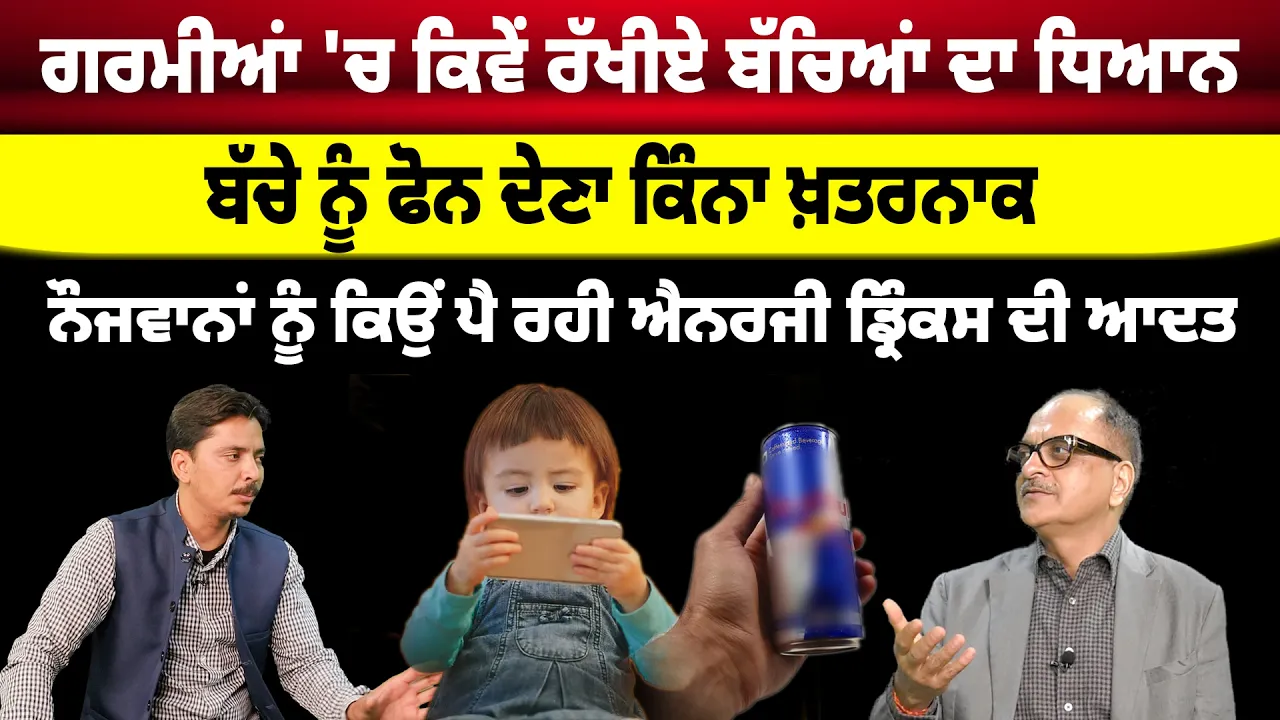
How Dangerous Is Giving a Phone to Children? Experts Share Tips to Keep Kids Engaged During Summer

Publication: Youtube
Date: 29
.04.2026

Highlights growing concerns around excessive screen exposure among children during summer vacations, when increased free time often leads to prolonged mobile phone usage. The coverage explores how excessive screen time can affect children’s physical health, sleep patterns, attention span, emotional well-being, and social development. Experts explain that while mobile phones may temporarily keep children occupied, overdependence can contribute to reduced outdoor activity, behavioural changes, poor concentration, eye strain, and disrupted routines.

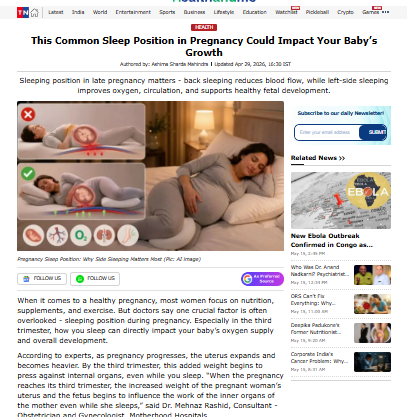
Pregnancy Sleep Position Matters: Why Doctors Recommend Sleeping on the Left Side

Publication: Times Now News
Date: 29
.04.2026

Highlights the importance of sleeping position during pregnancy and how it can directly affect fetal growth, oxygen supply, and maternal health, especially during the third trimester. The article explains that as the uterus expands and becomes heavier in late pregnancy, sleeping flat on the back may compress major blood vessels, reducing blood flow to the placenta and limiting oxygen and nutrient delivery to the baby. According to Dr Mehnaz Rashid, Consultant – Obstetrician and Gynecologist at Motherhood Hospitals, prolonged back sleeping can impact circulation and potentially affect fetal development over time. Experts recommend side sleeping, particularly on the left side, as it improves blood circulation, supports healthy fetal heart rate, enhances oxygen supply, reduces pressure on blood vessels, and helps minimise swelling in the legs and feet. The coverage also discusses practical ways to maintain a safe sleeping posture, including the use of pregnancy pillows, knee support cushions, and back support while sleeping. Doctors further clarify that occasional movement during sleep is normal, but consistently beginning sleep on the side can help maintain safer positioning throughout the night. The article reinforces that small lifestyle adjustments during pregnancy can play a major role in supporting maternal comfort and healthy fetal development.

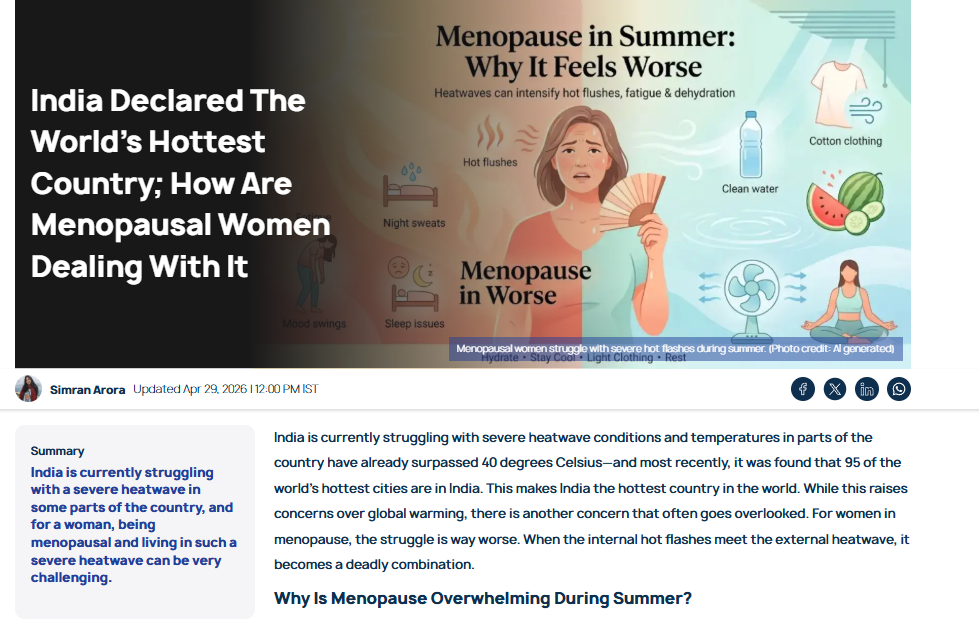
India’s Rising Heatwave Is Making Menopause More Difficult for Women, Say Experts

Publication: Health and Me
Date: 29
.04.2026

Highlights how extreme summer temperatures and ongoing heatwave conditions across India are intensifying menopause-related symptoms for women. The article explores how hormonal changes during menopause, combined with rising environmental temperatures, can worsen hot flushes, night sweats, fatigue, dehydration, sleep disturbances, irritability, and urinary discomfort. According to Dr Meghana Reddy Jetty, Senior Consultant in Obstetrics, Gynaecology, Laparoscopy, and Aesthetic Gynaecology at Aster Whitefield, reduced oestrogen levels affect the body’s ability to regulate temperature, making women more vulnerable during intense heatwaves. Dr Prathima A, Consultant in Obstetrics, Gynaecology, and Urogynaecology at Motherhood Hospitals, Banashankari, Bangalore, explains that symptoms such as bladder irritation, urinary urgency, vaginal dryness, and infection risk may also worsen during summer due to dehydration and excessive heat exposure. The coverage further includes expert-backed coping strategies such as maintaining hydration, wearing breathable fabrics, avoiding caffeine and spicy foods, improving sleep hygiene, and seeking medical guidance when symptoms become severe. Experts emphasise that while menopause symptoms are common, timely care and lifestyle adjustments can significantly improve comfort and quality of life during extreme weather conditions.

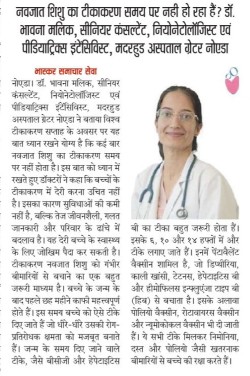
Newborn Vaccination Delays: Why Timely Immunisation Is Critical for Infant Health

Emphasises the importance of timely vaccination in newborns and the risks associated with delays in immunisation. The article highlights that despite improved healthcare access, factors such as fast-paced lifestyles, misinformation, and changing family structures are contributing to missed or delayed vaccine schedules. According to Dr Bhawna Malik, Senior Consultant – Neonatologist and Paediatric Intensivist, timely vaccination in the first six months is crucial for building a child’s immunity and protecting against life-threatening infections. The coverage outlines essential birth vaccines such as BCG and hepatitis B, followed by scheduled doses at 6, 10, and 14 weeks, including pentavalent, polio, rotavirus, and pneumococcal vaccines. These immunisations collectively safeguard infants against serious diseases like pneumonia, diarrhoea, and polio. The article reinforces that adhering to the recommended vaccination schedule is vital to ensure optimal growth, immunity, and long-term health outcomes for children.

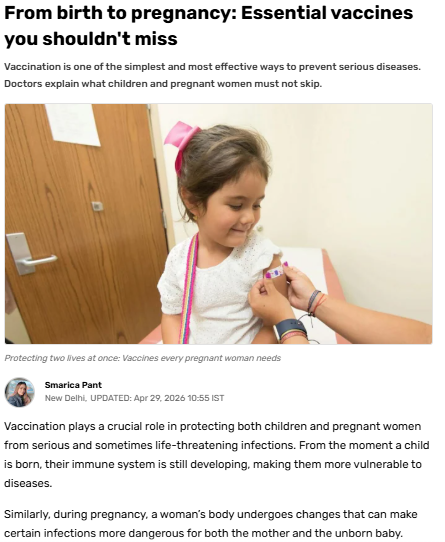
Vaccines for Children and Pregnancy: Essential Immunisation Guide You Shouldn’t Miss

Publication: India Today
Date: 29.04.2026

Highlights the critical role of vaccination in protecting both children and pregnant women from serious and preventable diseases. The article explains how early immunisation safeguards infants against infections such as hepatitis B, polio, and pneumonia, while later vaccines like MMR and varicella prevent viral illnesses with long-term complications. It also emphasises the importance of maternal vaccination during pregnancy, including tetanus toxoid, influenza, and Tdap, which not only protect the mother but also provide early immunity to the newborn. According to Dr Harini Sreedharan, timely immunisation and adherence to recommended schedules are essential for safeguarding both maternal and child health. Addressing concerns around vaccine hesitancy, the coverage reinforces that Vaccination is a safe, rigorously tested, and essential public health measure. Expert insights underline the importance of regular consultations, booster doses, and staying up to date with immunisation schedules to ensure comprehensive protection and healthier outcomes.

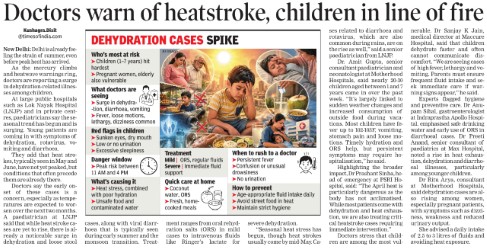
Heatstroke Risk in Children: Doctors Warn as Dehydration Cases Rise

Highlights growing concerns among healthcare experts over the rising incidence of Heatstroke and dehydration cases, particularly among children during extreme summer conditions. The article explains how prolonged exposure to high temperatures, inadequate hydration, and outdoor activities during peak heat hours increase the risk of serious heat-related illnesses. Doctors emphasise that children are especially vulnerable due to their lower ability to regulate body temperature and recognise early warning signs. Common symptoms such as excessive sweating, fatigue, dizziness, nausea, and high body temperature can quickly escalate if not addressed in time. The coverage also outlines critical prevention strategies, including maintaining hydration, avoiding outdoor exposure during peak afternoon hours, wearing light clothing, and ensuring prompt medical attention when symptoms appear. Experts stress the importance of awareness and early intervention to prevent complications and safeguard children’s health during heatwaves.
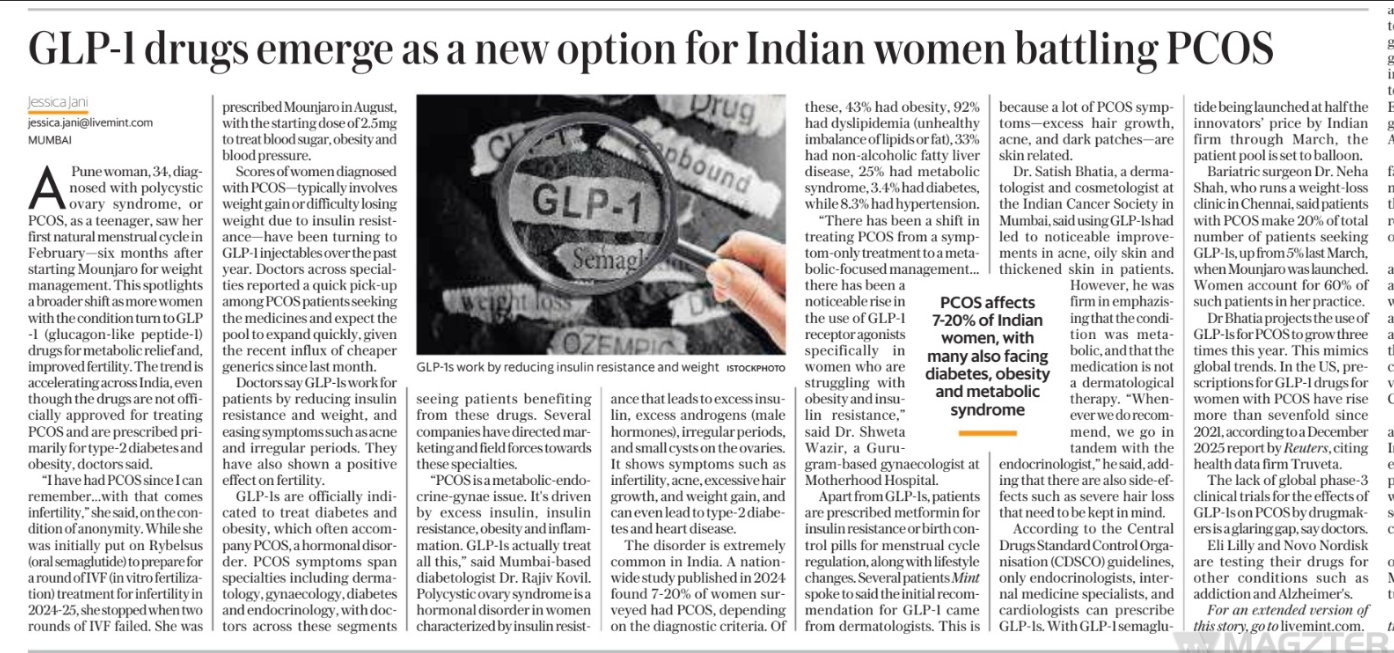
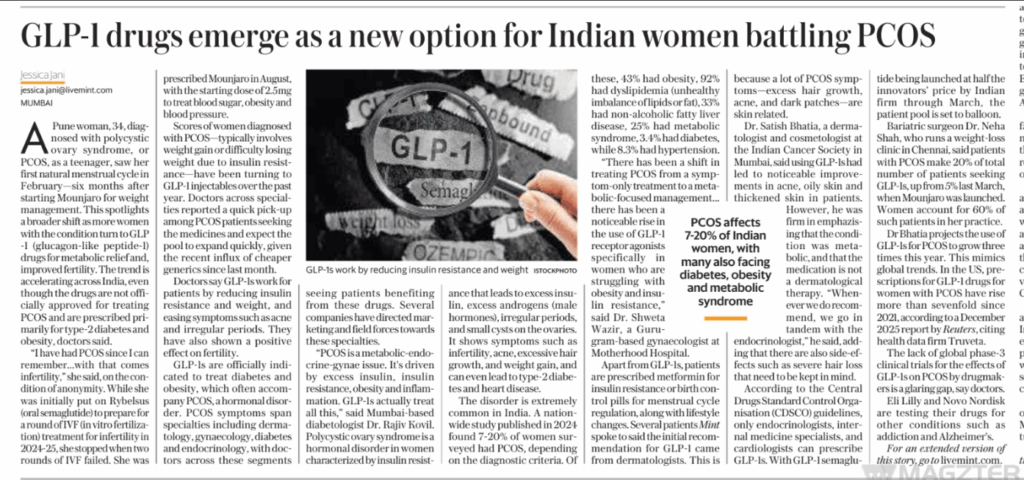
GLP-1 Drugs for PCOS: Emerging Treatment Option for Indian Women

Highlights the growing use of GLP-1 receptor agonists as an emerging treatment approach for women with Polycystic Ovary Syndrome (PCOS) in India. The article explores how medications like semaglutide and tirzepatide, originally approved for diabetes and obesity, are increasingly being prescribed off-label to address underlying metabolic issues such as insulin resistance, weight gain, and hormonal imbalance. According to Dr Shweta Wazir, there is a noticeable shift from symptom-based treatment to a metabolic-focused approach, with GLP-1 therapies showing improvements in menstrual regularity, skin concerns, and fertility outcomes. The coverage also highlights patient experiences, rising adoption trends, and the role of multi-specialty care involving endocrinologists, gynaecologists, and dermatologists. While early results appear promising, experts caution that further clinical research and regulatory clarity are needed, as these therapies are not yet officially approved for PCOS treatment.

Newborn Jaundice Explained: Why It’s Common and When to Worry

Publication: NDTV


Highlights expert insights from Dr Dhanalakshmi R on why jaundice is common in newborns. The article explains how factors like an immature liver and higher red blood cell breakdown lead to increased bilirubin levels in babies. It emphasises the importance of early monitoring, timely treatment such as phototherapy, and proper feeding practices to prevent complications and ensure healthy recovery.

The Postpartum Gap: Why New Mothers Lack Support After Childbirth

Publication: Times of India
Date: 28.04.2026

Highlights expert insights on the growing “postpartum gap” in maternal healthcare, where support for new mothers significantly declines after hospital discharge. The article explains that while pregnancy and delivery care have improved in urban India, postnatal care remains fragmented, leaving mothers without adequate physical recovery support, lactation guidance, and mental health screening. It emphasises that the weeks after childbirth are medically critical, involving hormonal changes, healing, and emotional adjustment, yet are often overlooked as focus shifts to the newborn. Experts stress the need for structured follow-ups, home-based care, and integrated mental health support to prevent complications such as fatigue, infections, and postpartum depression, ensuring better outcomes for both mother and child.