






Screen-Time Eating in Children: How Mobile Use During Meals Is Leading to Obesity and Fatty Liver

Publication: Vijayakarnataka
Date: 24.04.2026

Highlights expert insights on the growing habit of children eating meals while using mobile phones and its impact on long-term health. The article explains that distracted eating disrupts the brain’s natural satiety signals, causing children to overeat without recognising hunger or fullness cues. It further explores how screen exposure affects sensory awareness, leading to fussy eating habits and increased snacking. Experts warn that this behaviour is strongly linked to rising cases of childhood obesity, insulin resistance, and early onset of fatty liver disease. The article also details how screen-induced hormonal imbalances involving melatonin, ghrelin, and leptin can increase appetite and sugar cravings. Additionally, the combination of junk food and screen exposure creates a dopamine-driven reward loop, reinforcing unhealthy eating patterns. The coverage emphasises the importance of screen-free mealtimes to promote mindful eating, better digestion, and healthier long-term lifestyle habits in children.


Protein Intake During Pregnancy: Why It’s Essential for Mother and Baby

Publication: NDTV
Date: 24.04.2026

Highlights expert insights on the importance of optimal protein intake during pregnancy for both maternal health and fetal development. The article explains that protein plays a vital role in building and repairing tissues, supporting organ and muscle development in the fetus, and maintaining the mother’s physiological changes throughout pregnancy. It outlines recommended intake levels across trimesters and identifies key dietary sources such as lean meats, dairy, legumes, and nuts. The article also cautions against excessive protein consumption, particularly from supplements, as it may lead to metabolic strain and impact fetal growth. The coverage reinforces the need for a balanced, nutrient-rich diet and personalised medical guidance to ensure a healthy pregnancy outcome.

Short Video Addiction in Gen Z: How Reels Are Rewiring Young Minds

Publication: Times Of India
Date: 24
.03.2026

Highlights expert insights and emerging research on how short-form video addiction is reshaping the cognitive and behavioural patterns of Gen Z. The article explains that constant exposure to fast-paced digital content is reducing attention spans, weakening impulse control, and promoting instant gratification over deep thinking. Studies reveal that excessive consumption of short videos may alter brain function, mirroring patterns seen in addictive behaviours. Experts also link this trend to rising concerns such as anxiety, poor sleep, irritability, and declining social skills among children and young adults. The coverage emphasises the need for balanced screen time, healthier digital habits, and parental awareness to protect long-term mental and emotional well-being.

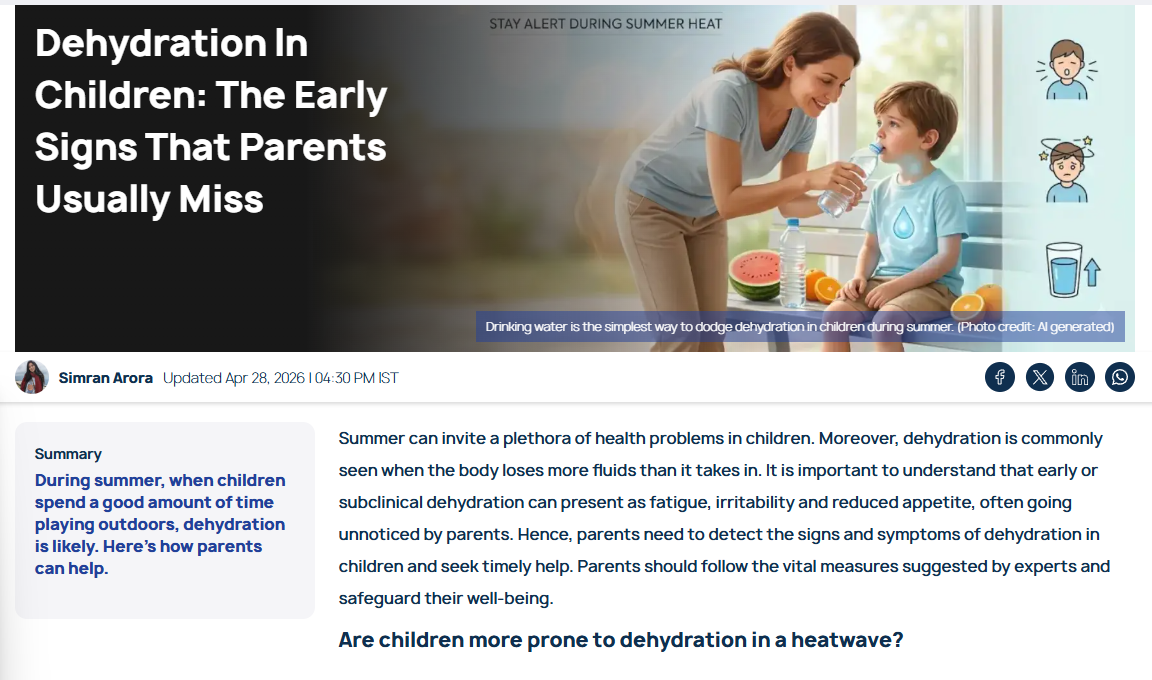
Dehydration in Children: Early Signs Parents Often Miss During Summer

Publication: Health and Me
Date: 29.03.2026

Highlights expert insights on how dehydration in children often goes unnoticed, especially during the summer months. The article explains that mild or subclinical dehydration can present through subtle signs such as fatigue, irritability, poor appetite, headaches, and reduced concentration, which parents may easily overlook. It emphasises that children are more vulnerable due to faster fluid loss from sweating and outdoor activity. Experts recommend early recognition, regular hydration, and simple preventive measures such as fluid-rich foods, limiting heat exposure, and monitoring urine patterns. The coverage reinforces the importance of timely intervention to prevent complications and ensure children’s overall health and well-being.

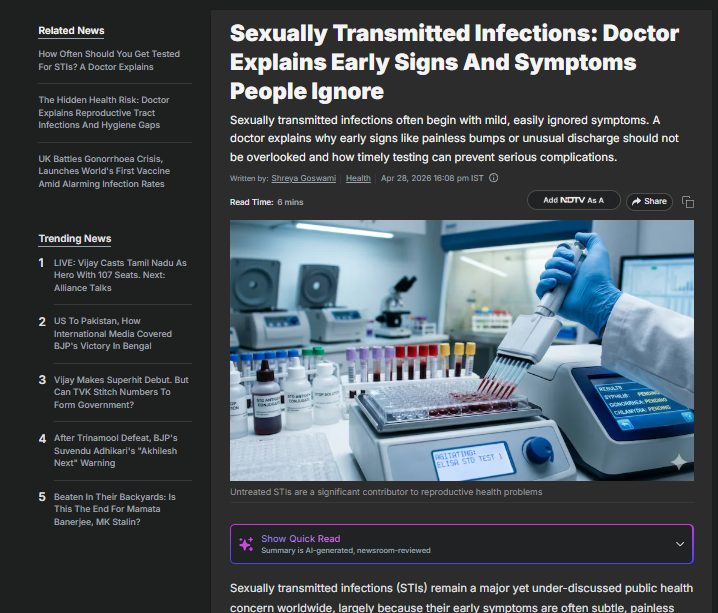
Sexually Transmitted Infections: Early Signs, Risks, and Why Timely Testing Matters

Publication: NDTV
Date: 24.04.2026

Highlights expert insights on sexually transmitted infections (STIs) and the often-overlooked early symptoms that delay diagnosis and treatment. The article explains that many STIs begin with mild or painless signs such as unusual discharge, burning during urination, small genital sores, or lower abdominal discomfort, which are frequently misinterpreted or ignored. It emphasises the risks of untreated infections, including infertility, chronic pelvic pain, pregnancy complications, and increased vulnerability to other infections. The coverage also discusses how certain infections can remain dormant while continuing to cause internal damage. Experts underline the importance of regular screening, early medical intervention, and breaking social stigma around sexual health. The article reinforces that timely testing and awareness are critical for preventing long-term health complications and ensuring overall reproductive well-being.

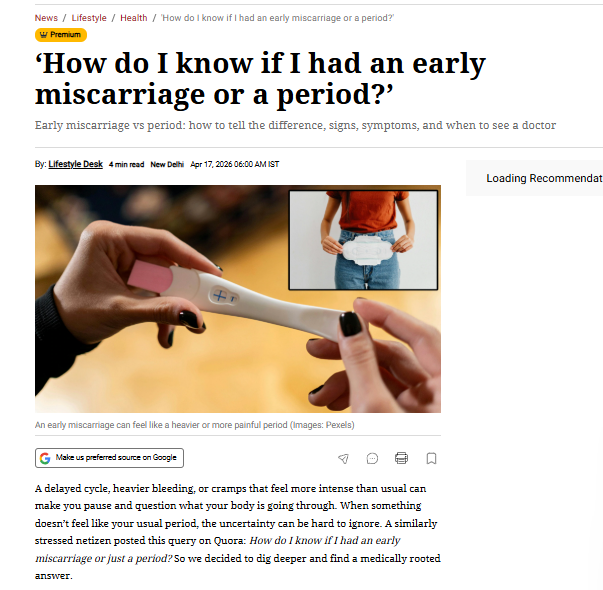
Early Miscarriage vs Period: Signs, Symptoms, and When to See a Doctor

Publication: Indian Express
Date: 17.04.2026

Highlights expert insights on the often confusing overlap between an early miscarriage and a regular menstrual period. The article explains that early pregnancy loss can closely resemble a heavy or delayed period, making it difficult for women to distinguish between the two without medical confirmation. It outlines key indicators such as heavier-than-usual bleeding, stronger and persistent cramps, passage of larger clots or tissue-like discharge, and cycles that feel different from a woman’s normal pattern. The coverage emphasises that many early miscarriages occur before pregnancy is confirmed, adding to the uncertainty. Experts stress that pregnancy tests, monitoring hCG levels, and ultrasound scans are the most reliable ways to determine the cause. The article also highlights warning signs such as excessive bleeding, severe pain, fever, or dizziness, which require immediate medical attention. It reinforces the importance of timely consultation and awareness to ensure safe reproductive health and rule out complications.

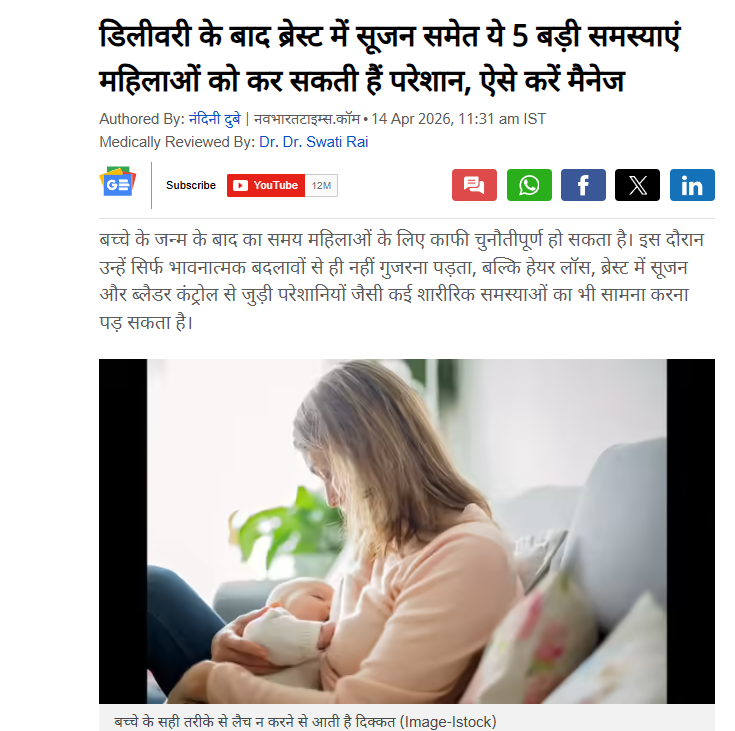
Postpartum Problems Women Face After Delivery: Breast Swelling, Hair Loss & More

Publication: Navabharat Times
Date: 14.04.2026

Highlights expert-reviewed insights on the common physical challenges women experience after childbirth and how to manage them effectively. The article explains that the postpartum phase brings significant hormonal and physiological changes, often leading to issues such as breast swelling and pain due to milk production and improper latching, perineal discomfort following delivery or episiotomy, and bladder control problems caused by pelvic floor weakness. It also covers postpartum hair loss and skin changes driven by hormonal shifts, along with concerns like weight gain and abdominal laxity. The coverage outlines practical management strategies, including proper breastfeeding techniques, pelvic floor exercises, hygiene care, balanced nutrition, and gradual physical activity. It emphasises the importance of medical guidance, self-care, and realistic expectations during recovery, reinforcing that timely support and awareness can help women navigate the postpartum phase more comfortably and safely.

The Postpartum Gap: Why New Mothers Need More Support After Childbirth

Publication: India Today
Date: 14.04.2026

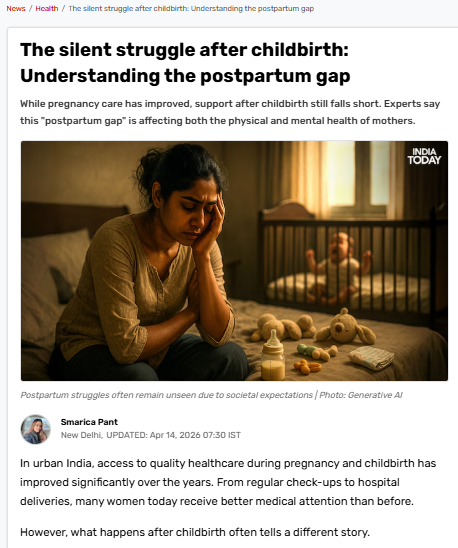
Explores the growing concern around the “postpartum gap” — a critical phase after delivery where structured care for mothers significantly declines. The article highlights how, despite improvements in pregnancy and childbirth care, many women face inadequate physical and emotional support once they leave the hospital. It details key postpartum challenges, including recovery after delivery, breastfeeding difficulties such as mastitis, and the need for pelvic and core rehabilitation. The coverage also sheds light on the overlooked mental health risks, including Postpartum Depression, anxiety, and psychosis, which are often dismissed or go undiagnosed due to stigma and lack of screening. Expert insights emphasise the importance of continuous care through follow-ups, lactation support, and mental health assessments. The article calls for an integrated postpartum care approach that bridges the gap between hospital and home, ensuring holistic recovery and long-term well-being for new mothers.

Can Pulling a Child’s Arm Cause Injury? Understanding Nursemaid’s Elbow Risk

Publication: The Vijay
Date: 14.04.2026

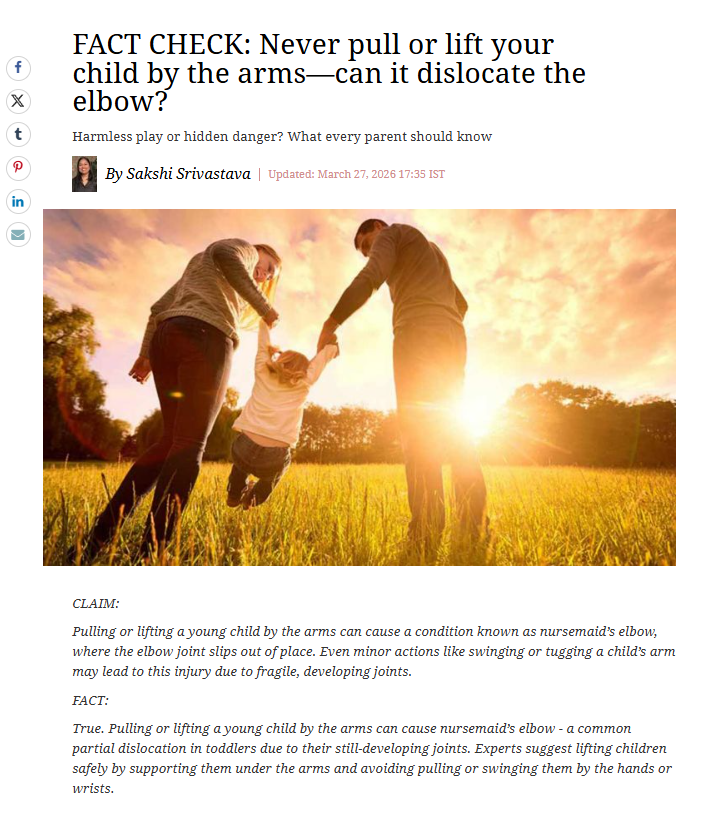
Examines the risks associated with pulling or lifting young children by their arms, highlighting how such common actions can lead to Nursemaid’s Elbow—a partial dislocation of the elbow joint frequently seen in toddlers. The article explains that due to underdeveloped ligaments, even minor tugs, swings, or sudden pulls can cause the elbow bone to slip out of place. It outlines key symptoms, including sudden pain, refusal to use the arm, and holding the limb close to the body without visible swelling. Backed by medical evidence and expert insights, the coverage emphasises that while the condition is treatable, it can recur if preventive care is ignored. It also provides practical guidance for parents and caregivers, recommending safe lifting techniques such as supporting children under the arms and avoiding pulling or swinging by the hands or wrists. The article reinforces the importance of awareness and early medical consultation to prevent complications and ensure child safety.

PCOS & Skin Darkening: Why It Happens and What It Means

Publication: Vijay karanatak
Date: 14.04.2026

Explores how Polycystic Ovary Syndrome can lead to noticeable skin darkening in areas such as the neck, underarms, and inner thighs. The article highlights that this condition, medically known as Acanthosis Nigricans, is often linked to insulin resistance and hormonal imbalance—common underlying factors in PCOS. It explains how the skin may appear thicker, darker, and slightly raised, often mistaken for poor hygiene. The coverage emphasises that this is not merely a cosmetic issue but a potential indicator of metabolic concerns such as obesity and increased risk of Type 2 Diabetes. It also discusses prevalence rates, risk factors, and the importance of early diagnosis through blood sugar, insulin, and hormone tests. The article reinforces that managing the root cause—through lifestyle changes, medical treatment, and hormonal balance—is key to improving both skin health and overall well-being.