





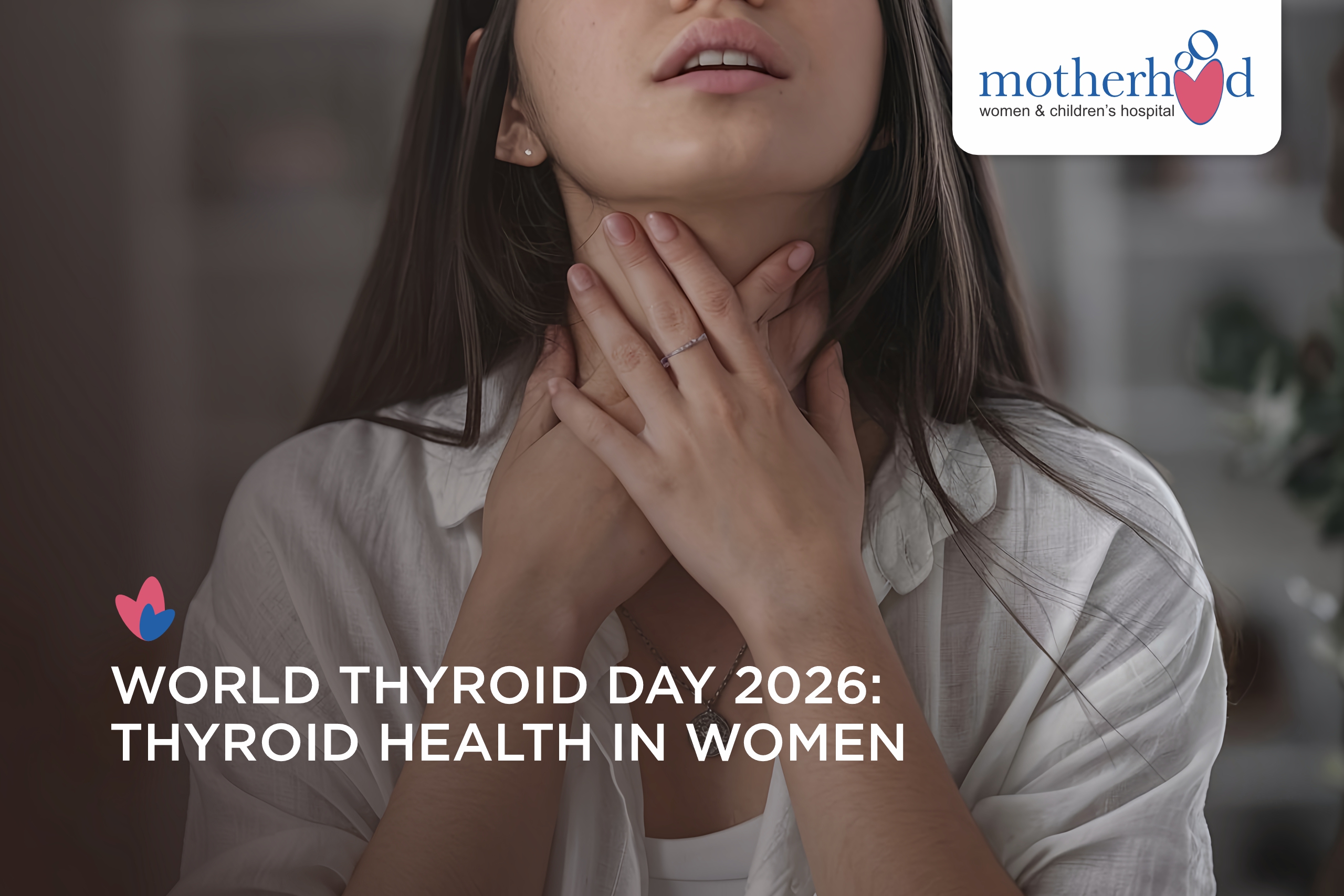

Every year on May 25, the world observes World Thyroid Day to raise awareness about thyroid disorders and their impact on overall health. Though small in size, the thyroid gland plays a powerful role in regulating metabolism, energy levels, menstrual health, fertility, pregnancy, mood, and weight.
At Motherhood Hospital, doctors often see women struggling with symptoms like unexplained weight gain, fatigue, irregular periods, infertility, hair fall, anxiety, or difficulty during pregnancy, many of which are linked to an underlying thyroid imbalance. Unfortunately, thyroid disorders are often overlooked or mistaken for stress or hormonal changes.
Understanding thyroid health and seeking timely medical evaluation can help improve overall wellbeing, reproductive health, and quality of life.
What Is the Thyroid Gland?
The thyroid is a butterfly shaped gland located in the front of the neck. It produces hormones that regulate how the body uses energy and controls several important functions, including:
- Heart rate
- Body temperature
- Metabolism
- Menstrual cycles
- Ovulation and fertility
- Mood and concentration
- Pregnancy and fetal development
When the thyroid gland does not function properly, it can affect nearly every system in the body.
Common Thyroid Disorders in Women
Women are significantly more likely than men to develop thyroid problems, especially during reproductive years, pregnancy, and menopause.
Hypothyroidism: Underactive Thyroid
Hypothyroidism occurs when the thyroid gland produces too little hormone.
Common symptoms include:
- Fatigue and sluggishness
- Weight gain
- Dry skin and hair fall
- Constipation
- Depression or low mood
- Irregular or heavy periods
- Difficulty conceiving
Hyperthyroidism: Overactive Thyroid
Hyperthyroidism occurs when the thyroid produces excess hormone.
Symptoms may include:
- Weight loss despite good appetite
- Palpitations
- Anxiety or irritability
- Tremors
- Excessive sweating
- Irregular menstrual cycles
Thyroid Health and Women’s Reproductive Health
Thyroid hormones are closely connected with reproductive hormones. Even mild thyroid imbalance can affect a woman’s gynecological and obstetric health.
Thyroid Disorders and Fertility
Untreated thyroid conditions can interfere with ovulation, making conception difficult. Women experiencing infertility or recurrent pregnancy loss are often advised to undergo thyroid screening as part of fertility evaluation.
Thyroid Health During Pregnancy
Adequate thyroid hormone levels are essential for the baby’s brain and nervous system development, especially during the first trimester.
Untreated thyroid disorders during pregnancy may increase the risk of:
- Miscarriage
- High blood pressure during pregnancy
- Preterm birth
- Low birth weight
- Developmental concerns in the baby
Routine antenatal care at Motherhood Hospital often includes thyroid evaluation for women who are symptomatic or considered high risk.
Thyroid and Menstrual Irregularities
Heavy bleeding, missed periods, painful periods, or sudden cycle changes may sometimes be related to thyroid dysfunction rather than gynecological disease alone.
Who Should Get Screened for Thyroid Problems?
Thyroid testing is simple and can help in early diagnosis.
Women should consider screening if they have:
- A family history of thyroid disease
- Unexplained weight changes
- Irregular periods
- Infertility
- Recurrent miscarriages
- Persistent fatigue
- Diabetes or autoimmune disorders
- Pregnancy or planning pregnancy
Can Thyroid Disorders Be Managed?
Yes. Most thyroid disorders can be effectively managed with timely diagnosis, medication, regular monitoring, and healthy lifestyle practices.
Helpful Lifestyle Measures for Thyroid Health
- Eating a balanced diet rich in iodine, selenium, and iron
- Managing stress
- Sleeping adequately
- Regular exercise
- Avoiding self-medication or unnecessary supplements
Regular follow up is important because thyroid hormone needs can change during pregnancy, postpartum, and menopause.
Breaking the Myths Around Thyroid Disease
Myth: Thyroid Problems Only Cause Weight Gain
Fact:
Thyroid disorders affect multiple body systems, including fertility, mood, heart health, and menstrual cycles.
Myth: Thyroid Problems Are Always Lifelong
Fact:
Some thyroid conditions are temporary or fluctuate, especially during pregnancy or after delivery.
Myth: Taking Thyroid Medication Is Harmful
Fact:
When prescribed correctly, thyroid medication is safe, effective, and often essential for maintaining good health.
A Message for Women
Many women silently normalize fatigue, mood swings, irregular periods, or weight changes as part of a busy life. But sometimes, the body is signaling something deeper.
On World Thyroid Day, Motherhood Hospital encourages women to understand their symptoms, seek timely screening, and speak openly about thyroid health. Early diagnosis and proper treatment can significantly improve quality of life, reproductive health, and long term wellbeing.
Because caring for your thyroid is also caring for your future health.
~ Dr. Ayesha Siddiqa
FAQs
What are the early signs of thyroid problems in women?
Early signs of thyroid problems in women may include fatigue, unexplained weight changes, hair fall, irregular periods, mood changes, constipation, and difficulty concentrating. At Motherhood Hospital, women with persistent symptoms are encouraged to seek timely evaluation.
Can thyroid problems affect fertility?
Yes. Thyroid problems can affect fertility by interfering with ovulation and hormonal balance. Women who face difficulty conceiving or have recurrent pregnancy loss may need thyroid screening.
Is thyroid testing important during pregnancy?
Yes. Thyroid testing may be important during pregnancy because thyroid hormones support the baby’s brain and nervous system development. Timely evaluation helps reduce pregnancy related risks.
Can thyroid disorders cause irregular periods?
Yes. Thyroid disorders can cause irregular periods, heavy bleeding, missed periods, or sudden cycle changes. These symptoms should be medically evaluated instead of being ignored.
Can thyroid disorders be managed effectively?
Yes. Most thyroid disorders can be managed effectively with proper diagnosis, medication, regular monitoring, and lifestyle support. Motherhood Hospital provides evaluation and guidance for women across different life stages.