







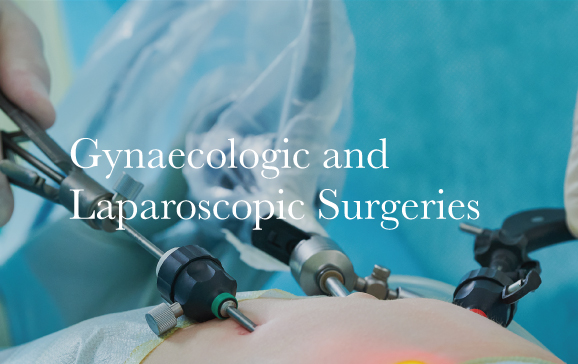

- Gynecological Surgeries
- Laparoscopic Surgeries
- Intrauterine Contraceptive Devices
- Tubal Ligation
- Adhesiolysis
- Hysteroscopy And Polyps
- Laparoscopic-Oophorectomy
- Laparoscopic-Treatment-For Ectopic Pregnancy
- Radical-Hysterectomy
- Bilateral-Endometriotic Cyst Treatment
- Laparoscopic Myomectomy
- Laparoscopic Ovarian Cystectomy
- Laparoscopic-Tubal Ligation Aftercare
- Uterine-Prolapse
- Hysteroscopic-Resection-Of Submucosal Fibroids
- Laparoscopic-Hysterectomy
- Pelvic-Inflammatory Disease Pid
- Vaginal-Vault Prolapse Repair
Understanding a Prolapsed Uterus
Uterine prolapse happens when the muscles and ligaments supporting the uterus weaken, allowing it to slip down into or press against the vaginal canal. It is common after childbirth, with age, or following menopause, It is common after childbirth, with age, or following menopause, when supportive tissue naturally loses some of its strength. Uterine prolapse symptoms can range from a mild feeling of heaviness or pressure to a visible bulge at the vaginal opening, and severity varies considerably from one woman to another. Some women also notice discomfort during intercourse, difficulty with urination, or a dragging sensation that worsens toward the end of the day.
What Is Uterine Prolapse? Causes, Types and Stages
The uterus is secured in its place by a bunch of strong muscles and ligaments. When the area is stretched unusually it weakens these muscles and this can cause a uterine prolapse which is also termed pelvic floor hernia. In case of a uterine prolapse, there is a slipping of the uterus from its position into the vagina. There can be two kinds of prolapse – complete and incomplete. In case of a complete Uterine Prolapse, the uterus sags completely with some tissues remaining outside the vagina. In case of an incomplete Uterine Prolapse, the uterus sags partially.
A uterine prolapse occurs in several stages:
- First Degree Uterine Prolapse: In this case the cervix sags into the vagina
- Second Degree Uterine Prolapse: In this case the cervix is just at the opening of the vagina
- Third Degree Uterine Prolapse: In this case the cervix is outside the vagina
- Fourth Degree Uterine Prolapse: also termed as procidentia, here the whole uterus is outside the vagina
DOCTORS
Dr. Kavya Krishna Kumar
MBBS DGO FMAS
Consultant - Obstetrics & Gynaecology
Alwarpet, Chennai
Experience - 12+ Years
Registration No.: 78320
Active
Dr. Sireesha Reddy
MBBS, MD (OBST & GYNAE), MRCOG, CCT (UK)
Consultant - Obstetrics & Gynaecology
Bangalore, Hebbal
Experience - 24+ Years

Dr. Aarthi Bharat
MBBS, MD
Consultant - Obstetrics & Gynaecology
Bangalore, Banashankari
Experience - 22+ Years
Registration No.: 51426
Active
Dr. Dhanalakshmi R.
MBBS, DNB (Paediatrics), MRCP CH, Followership in Neonatal Neonatal medicine(UK), PGPN (USA), IPPN, ACLP
Consultant - Neonatology & Paediatrics
Bangalore, HRBR Layout
Experience - 10+ years