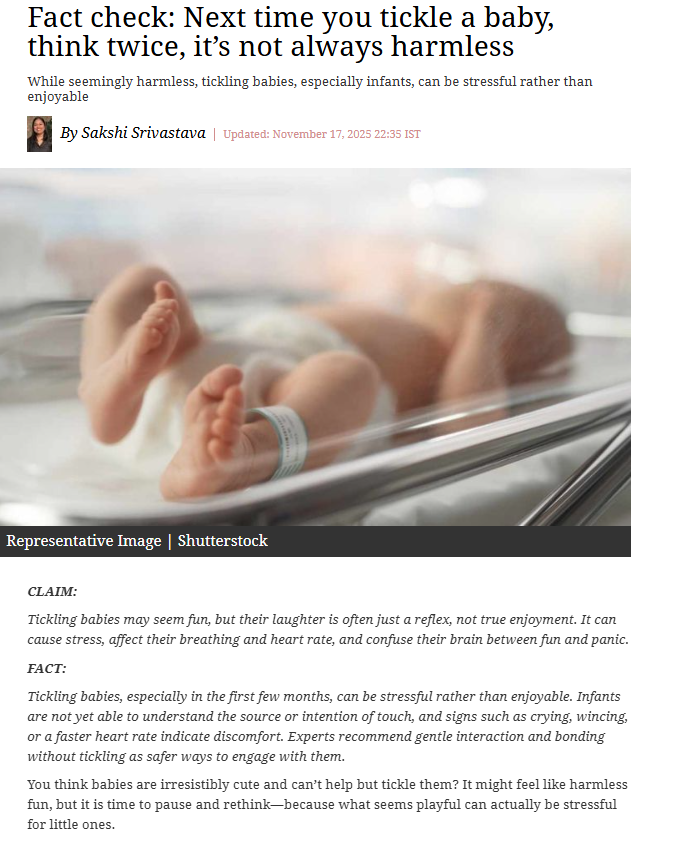
The idea that tickling babies is harmless fun is being challenged as experts note it can actually cause stress rather than joy for infants. Babies, especially in the first few months of life, may laugh due to reflexes, but they often cannot interpret the sensation as playful. Tickling can affect an infant’s breathing and heart rate and may trigger signs of discomfort like crying or wincing. Gentle bonding activities such as eye contact, skin-to-skin contact, and simple interactive play are recommended instead. Dr Amit Gupta, Senior Neonatologist and Paediatrician at Motherhood Hospitals, Noida, emphasises caution when tickling young babies and suggests stopping if they show any stress signals.
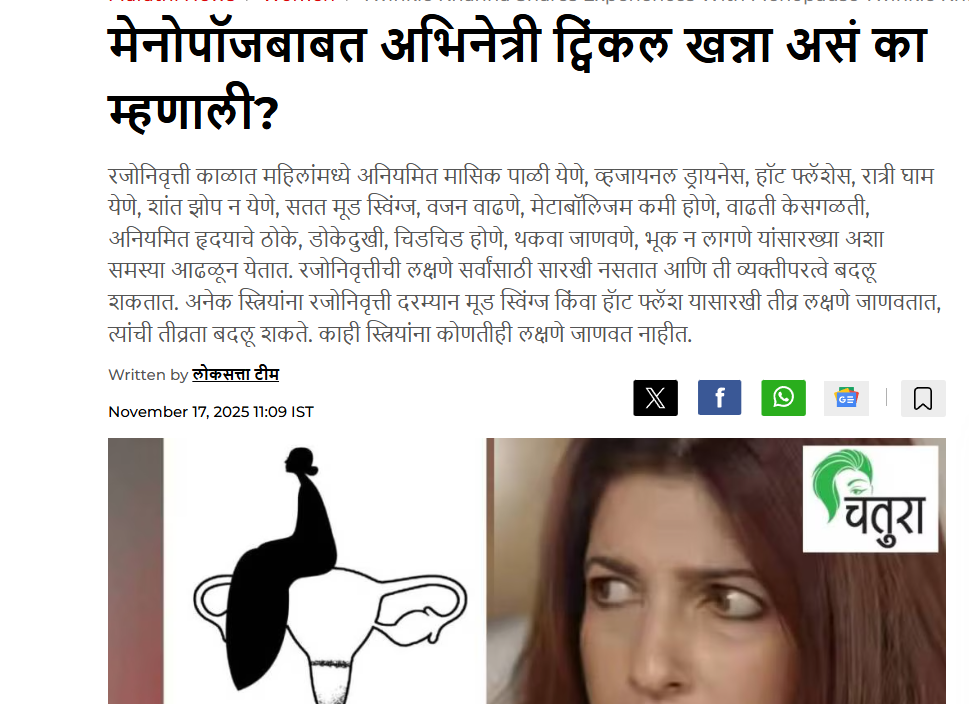
Dr. Swati Ajit Gaikwad, Consultant Obstetrician & Gynaecologist at Motherhood Hospital, Kharadi, Pune, explains that menopause brings a range of physical and emotional symptoms as hormone levels change. Typical issues include irregular periods, vaginal dryness, hot flashes, night sweats, mood swings, sleep disturbances, weight gain, slowed metabolism, hair thinning, headaches, fatigue, and heart palpitations. The intensity of symptoms varies among women, with some experiencing severe discomfort while others have mild or no symptoms. Understanding and acknowledging these changes can help women and their families better navigate this natural life transition.
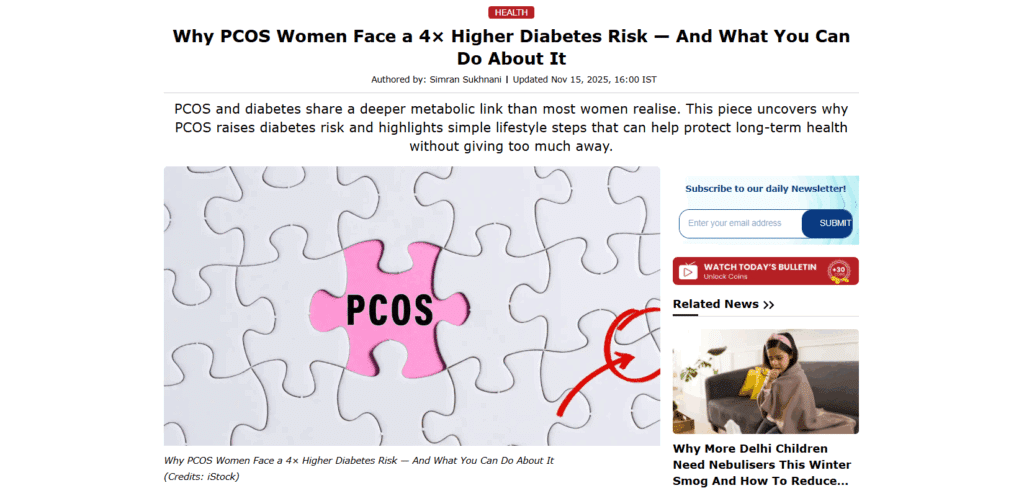
Women with Polycystic Ovary Syndrome (PCOS) face a significantly higher risk of developing type-2 diabetes, largely due to insulin resistance, a core feature of the condition where the body’s cells do not respond effectively to insulin, causing blood sugar levels to rise. Research suggests that women with PCOS may be up to four times more likely to develop diabetes than those without this hormonal disorder. The risk is compounded by factors like weight gain and metabolic imbalance, but can be reduced with regular screening, healthy diet, consistent physical activity and weight management. Dr Tanveer Aujla, Senior Consultant Obstetrician & Gynaecologist at Motherhood Hospitals, Sector 48, Noida, stresses proactive lifestyle and monitoring to manage risk.
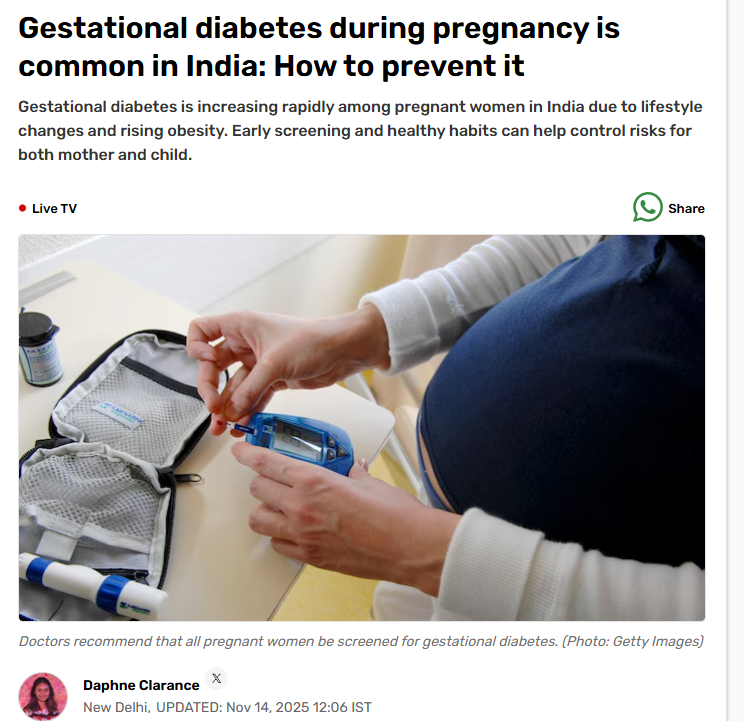
Gestational diabetes is increasingly common among pregnant women in India, largely due to rising obesity rates, sedentary lifestyles, and changing dietary habits. The condition can lead to complications such as high birth weight, preterm delivery, and increased risk of type‑2 diabetes later in life if not managed effectively. Regular screening during pregnancy is vital for early detection, along with monitoring blood sugar levels throughout gestation. Lifestyle measures like balanced nutrition, consistent physical activity, and appropriate weight management play a key role in prevention and control. Dr. Shruthi Kalagara, Consultant in Obstetrics & Gynaecology, Bangalore (Sarjapur), emphasises education and proactive care to reduce risks for both mother and baby.
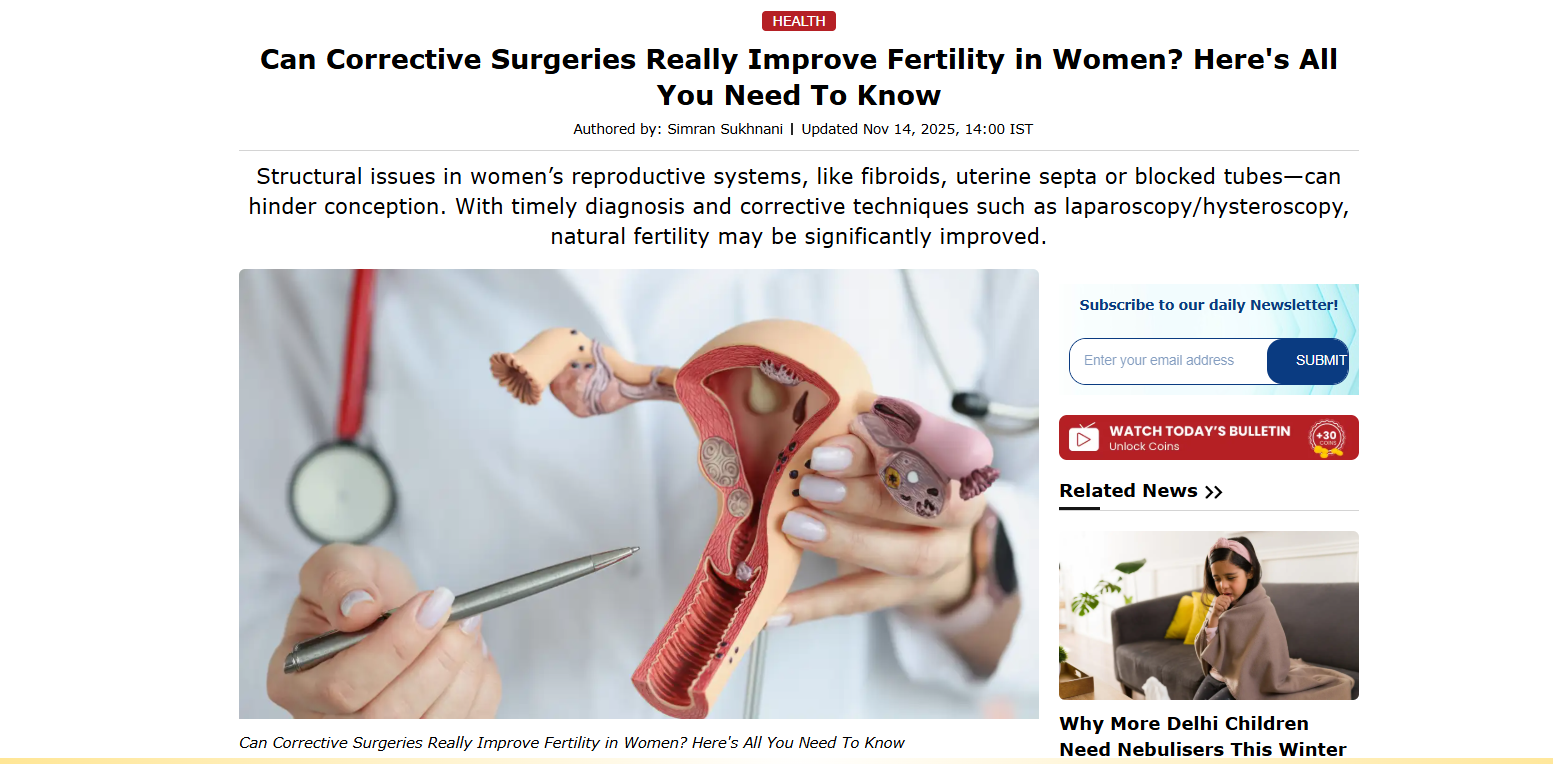
Corrective surgeries can significantly improve fertility in women by addressing structural issues that hinder natural conception. Procedures such as laparoscopic removal of fibroids, hysteroscopic excision of uterine polyps or adhesions, and repair of blocked fallopian tubes help restore normal reproductive anatomy and function. These minimally invasive techniques not only reduce pain and recovery time but can also enhance the chances of natural pregnancy by eliminating mechanical barriers to fertilisation and implantation. Dr. Kusum Lata, Senior Consultant Obstetrician, Gynecologist and Advanced Laparoscopic Surgeon at Motherhood Hospitals, Gurgaon, emphasises the importance of early diagnosis and tailored surgical intervention for better fertility outcomes.
Gestational diabetes is becoming increasingly common among pregnant women due to a combination of lifestyle and demographic changes. Factors such as rising maternal age, sedentary habits, unhealthy diets, obesity and a family history of diabetes are contributing to higher rates of glucose intolerance during pregnancy. South Asian women also have a naturally higher risk due to genetic and metabolic predispositions, while better screening practices are identifying more cases than before. Early detection and management are crucial to reduce complications for both mother and baby. According to Dr Preety Aggarwal, an Obstetrician & Gynecologist at Motherhood Hospital (Gurugram, Gurgaon), understanding these contributors can help improve outcomes.